

Teaching on Disabilities

In society there is a common understanding of physical and mental disabilities but no one really has a minimum idea of the issues that disabled people go through or even its day-to-day surroundings which stigmatizes everything around it. I have a close cousin who is physically disabled which my family took care of for multiple summers. She needs special assistance for everything and despite it she is extremely intelligent but people when meets her treats her as if she was a child and most of the time she gets angry due to these childish actions. Another issue is also disgusting the idea of having a family member with a disability as it is seen like it is a lot of work around him/her. Those two reasons give me the idea that the topic is really silently stigmatized. 

Now, already in the 21st century I consider that this silent stigma should completely disappear or be minimal with the upcoming generation. The best time for the new generation to learn the issues that surround disabled people is by teaching these to them at an early age before middle school. I consider that a simple hands-on activity a year by experiencing the daily troubles would quickly reduce the stigma that has been built around for so many years.
Mandatory Attendance in the School System

Before going into the claim of “there should never be an attendance policy”, let’s give some context! 

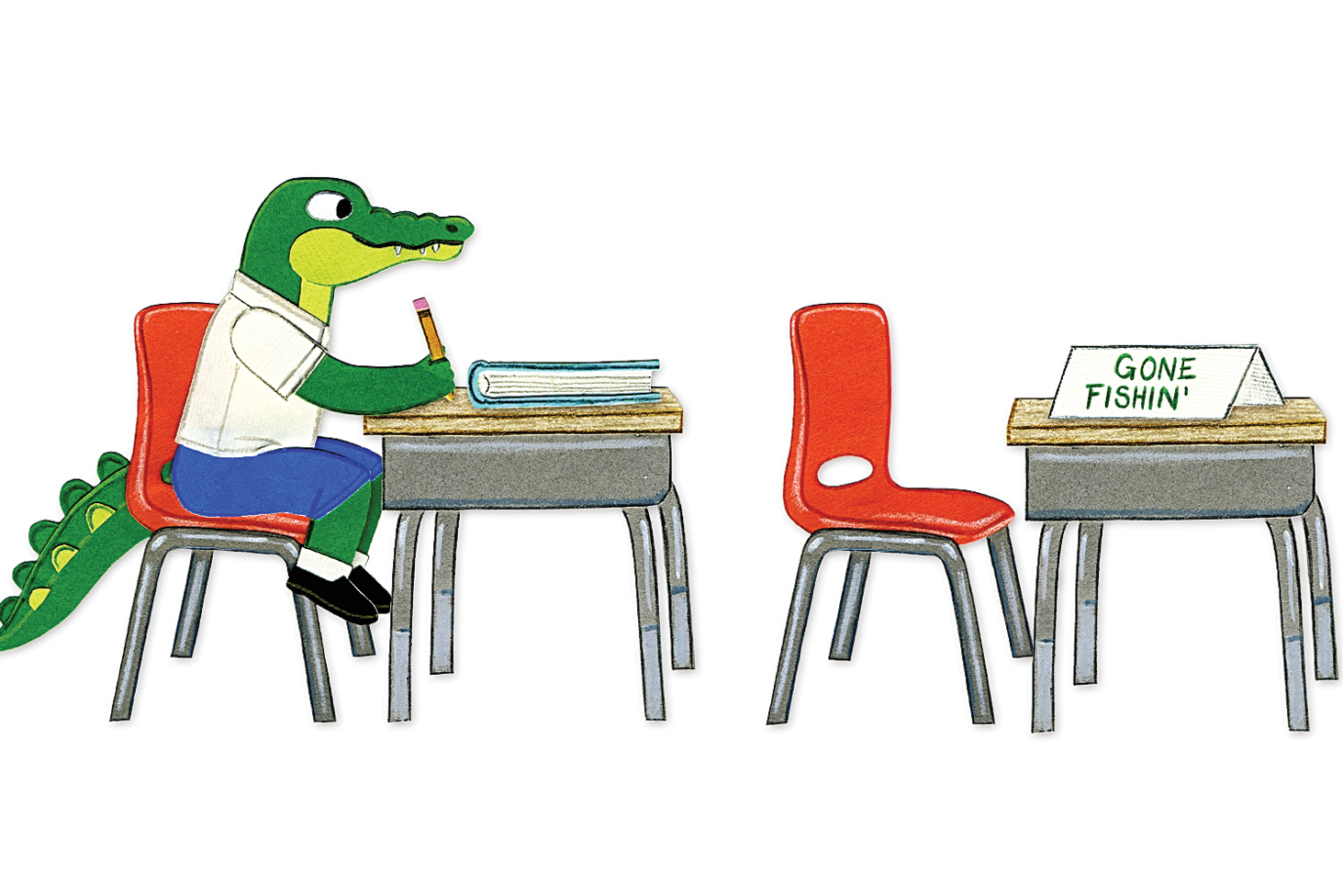
When going to high school most classes or institutions, for not to say all, have an attendance policy that requires their students to attend everyday but they are allowed to miss up to 3 days without a grade punishment unless there is a great motive that retains the student from attending. This superior motive must be notified to the school officials and most of the times require a doctor’s notice meaning the students are not attending because of health issues. 

When going to university, attendance is considered by the class instructor and the department that the class may belong to, for example technical writing belongs to the English department. Some classes consider attendance for grade and others without having countability pass the list and in the syllabus it is mentioned that if you miss more than a certain maximum of lectures you would receive a letter grade punishment. If I get an A as final grade because of low attendance I receive a B. 

Given the different attendance policies, what happens if the student has anxiety or an overload of stress during the school calendar? Are they mandated to attend a professional that particular day to submit the notice so he/she cannot be punished? Some professionals actually have a waitlist and most of the time because of mental issues not everybody is strong enough to reach a psychologist. In some other way, it could also be considered a breach in the privacy of students as these most of the times have the need to report their doings to the professor/teacher if they do not attend class. 

Quick and easy, under my consideration, attendance should not be taken into consideration as long as the student can successfully pass the class and learn the essentials taught.

A World Accessible to Everyone!

A world accessible to everyone! A claim that all people are approaching when going anywhere in the streets. A disability in a person affects everyone who surrounds this person. To support my statement, I would provide my personal experience. 

Thankfully, I do not have any disabilities that hold me back from doing any day-to-day activity but my cousin does. I do not know her medical condition by name but she has trouble talking, shakiness and walking. The combination of the last two makes her walking up stairs a hard time and does require some help. Sadly there are multiple places where there are multiple stairs and it’s the only way to reach them without making a mile run around to go through a ramp which would make it easier for her and the person going with her as it is a worry that she does not have to make huge physical necessities to reach x places. 

Stairs are not a problem that helds her back from going up or down to a certain place but as I mentioned it does require a lot more effort from her and we, as her family, are thankful for this because this is an issue that not all people are able to confront. It is a fact that there are multiple different disabilities that do not abilitate people to go up or down steps. 

The best place or scenario could be UMBC’s campus. It is located on a hill and it has full stairs, actually I counted them and there were more than 150, where the ramps are located at the administrative building entrance and the library which both go all around campus (at least from what I’ve seen. Imagining me showing my cousin the campus is stressful walking all those steps up and down (which we could go around but she is very stubborn with this aspect). The campus is a simple example but the world is full of the same or similar situations and usually the simple excuses to avoid changes are “go all around there are ramps there” or “it is too costly”. 

I hope at some point people really think for everyone’s abilities and disabilities when constructing common areas.

Continue reading

A Couple Words Shift Your View

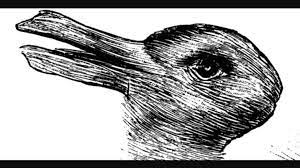
What two animals can you see in the picture above? I will leave the question and answer for later. 

Who has never been impressed by a magic trick? Well both of these two questions have something in common and the special aspect is Phenomenology, a really weird word that if you have never heard of it might not understand anything of what I would express later but might have a first impression of phenomena and would be correct. In fact, Phenomenology is the study of everything surrounding phenomena at the eyes of the person involved like the person’s memories, feelings and body reactions, according to the situation. 

I gave two questions before going into depth with the main topic and these provide the examples to understand the topic of phenomenology. Starting with the magic trick, the magician before doing the trick talks or makes different movements to catch your attention and place it into these different actions so, you will not caption the disappearance of a plastic ball from his fist. It doesn’t really require the same preparation of a magician to exercise phenomenology, I can do it too! Let me show you! Looking back at the picture at the beginning of the text, mentioning earth, mammal or pet you should see a rabbit, but if I were to talk about the ocean, beach or river, you might look back at the image and see a seagull or duck. As easy as that, the idea of a single thing or object shifts by the conversation or thoughts going on at the moment.