Failing Finals 

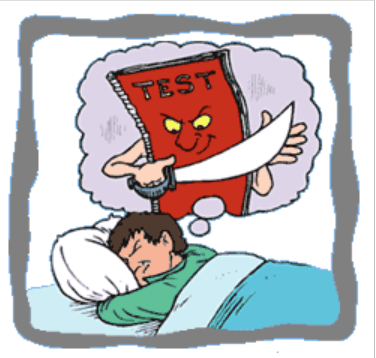
I had a dream last night that I’m failing my finals. So, I’m writing this post on how finals can be a stressful time for college students. With a combination of studying for tests, completing assignments, and trying to balance their social lives, it can be overwhelming to try and keep up. This pressure can lead to anxiety and depression and can be difficult to manage during this already hectic season.

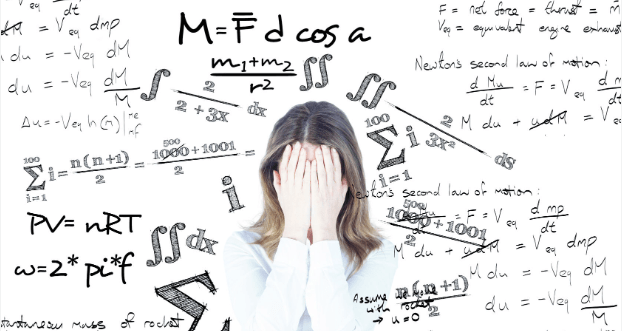
Stress and anxiety can lead to a feeling of being overwhelmed, where the student is not sure where to begin studying and feels like they do not have enough time to do everything they need to. The fear of taking a test and the pressure to perform well can be incredibly intimidating, making it difficult for the student to focus and retain the knowledge they have studied. Difficulties in managing time, getting enough sleep, and managing other commitments can add to the stress of school, leading to increased anxiety around test-taking. With all these pressures, it is not hard to see why managing test anxiety can be difficult for college students during finals.
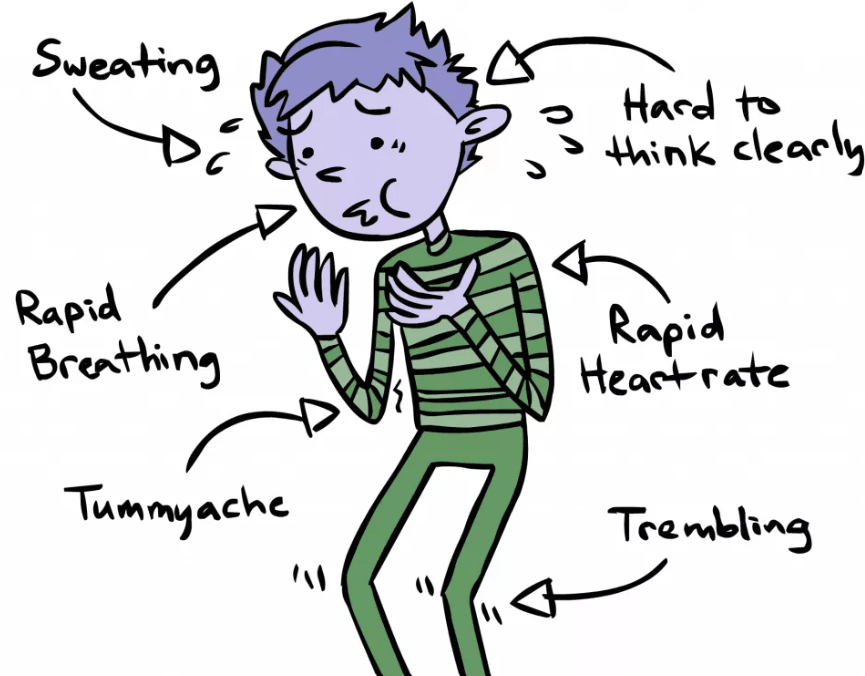
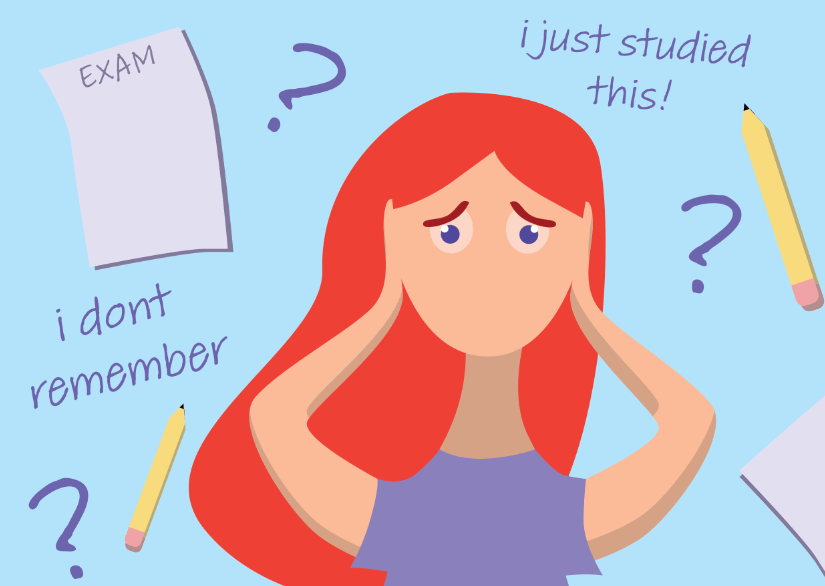
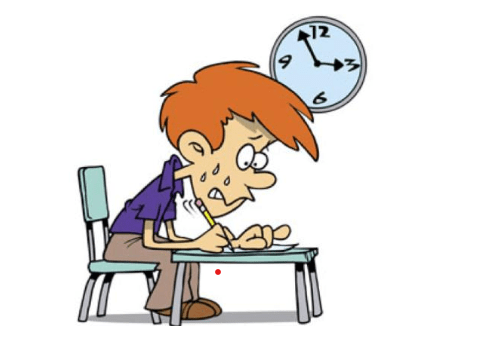
Test anxiety can be particularly difficult to manage during finals. It is a feeling of fear and dread that can cause physical symptoms such as a racing heart, sweating, or difficulty breathing. This fear can be so intense that it can cause students to freeze up or blank out during the test, leading to a lower grade despite all their studying. It is important for students to try and manage this anxiety to be able to perform their best on their exams. But the pressure of taking a test, coupled with the fear of not performing well, can easily cause someone to spiral. This can lead to a feeling of helplessness and a lack of confidence in the student’s ability to do well.

It’s never easy to try and manage test anxiety, especially for college students who already have a lot on their plate. It can leave them feeling overwhelmed, out of control, and scared that their academic performance will suffer. Furthermore, it is understandable why finals can be an especially daunting time for college students. Not only do they have to balance their studies and social lives, but they are also faced with the immense pressure of performing well on their exams. This can cause a great amount of stress, as students want to get good grades and fulfill the expectations of their professors and parents. Furthermore, there is not much opportunity for a student to make up for any mistakes made during the tests, so doing well can seem even more important.

During finals, students may even feel a sense of guilt or shame if they are not able to get the grade they desire. This pressure can lead to both physical and emotional stress, making it very difficult to focus on the task at hand. It is important for students to take time to relax and practice self-care to stay focused and manage the stress of their finals. Taking time to step away from studying and engaging in activities like yoga, spending time with friends, or taking a break can help students stay on track and feel more motivated to work hard during this already stressful period.
Mental Challenge 

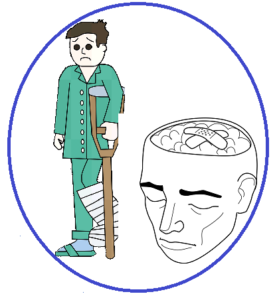
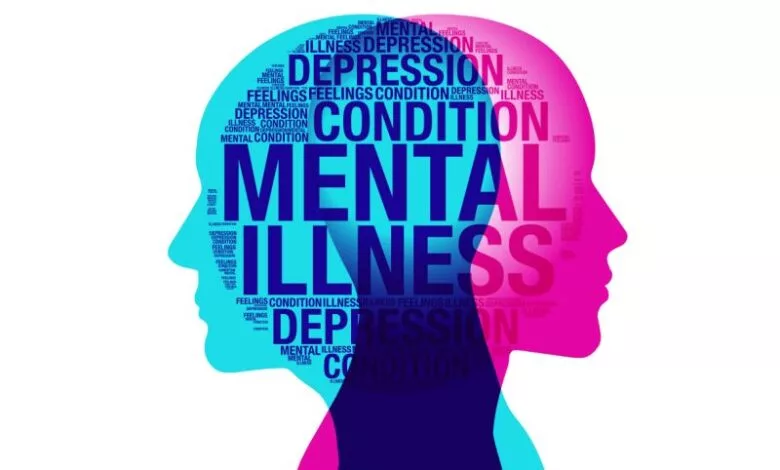
Mental disability and physical disability are often spoken about in the same breath, lumped together as though they were the same. However, mental disability and physical disabilities are present in quite unusual ways.

Disabled veterans often face unique challenges when it comes to their disabilities. Mental disability often goes unseen, while physical disability is immediately apparent. Mental disability can be just as disabling as physical disability, if not more so. However, mental disability often goes undiagnosed and untreated. This can be especially true for disabled veterans, who may not seek help for mental health issues because of the stigma surrounding mental illness. Disabled veterans may also feel like they do not deserve help or that they are not entitled to it. This can lead to a spiral of mental health issues, as the veteran becomes more withdrawn and depressed. Disabled veterans may also have a challenging time readjusting to civilian life after their military service. The structure and support that the military provided are no longer there, and they may feel lost and alone.

Veterans with mental disabilities often suffer from depression, anxiety, and post-traumatic stress disorder (PTSD). These conditions can be exacerbated by the stress of dealing with a physical disability. Veterans with mental disabilities may also find it difficult to socialize and form relationships. They may feel like they are a burden to others and that no one can understand what they are going through. This can lead to isolation and loneliness, which can further worsen mental health issues. Disabled veterans often find themselves in inconvenient situations. In addition to the challenges they face, disabled veterans also must deal with the stigma of being seen as less capable than their able-bodied counterparts. They may also have a tough time finding and keeping a job. Veterans with mental disabilities often find themselves unable to work, and as a result, may be unable to support themselves or their families. This can create a significant financial burden, as well as a tremendous amount of stress. This can create a few challenges for disabled veterans, who may find it difficult to get the benefits they need and deserve.

Gender parity society: An unrealistic dream

It is no secret that, despite decades of progress toward gender equality, chauvinism is still a prevalent force today.

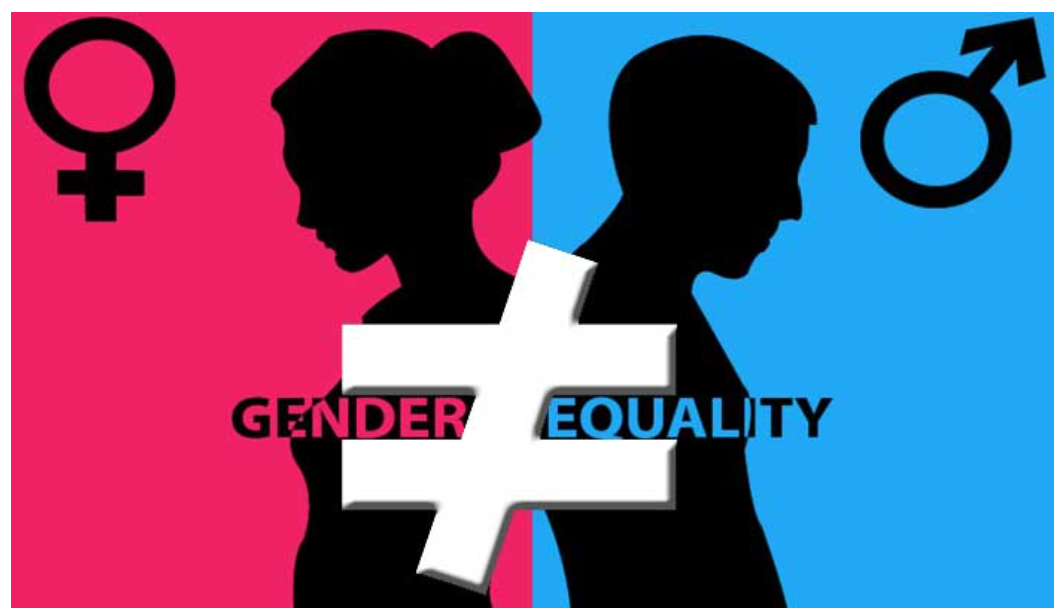
“We need to stop buying into the myth about gender equality. It isn’t a reality yet.”

Though it is believed that primarily women suffer because of this, it would be naive to say that men are exempt from its effects. Indeed, gender discrimination can have a profound impact on both men and women, often in ways that are not immediately obvious. Men are often expected to be strong and independent, while women are often expected to be nurturing and gentle. This double standard can negatively impact them in a few ways. It can lead to men feeling diminished and devalued. For example, some people may think that all women are irrational and emotional, or that all men are irresponsible. It is difficult to know where to begin when discussing the topic of gender bias. One could start by discussing the history of sexism, how it has evolved, or even how it is defined. Mostly because of sexist stereotypes, it is thought that gender inequality only harms women. However, sexism can also be harmful to men. It is not uncommon for men to be made fun of for being weak or for being overly sensitive. These jokes are often considered to be benign, but they can have a lasting negative impact on men. They can also lead men to feel that they must hide their emotions to fit into society’s expectations.

It can also be referred to as the double standard when it comes to expectations for what men and women should do. Although it is not always easy to spot sexism, it is easy to identify a double standard. When a man behaves in a sexist manner, he is seen as acting in a sexist manner, and when a woman behaves in a sexist manner, she is seen as acting more naturally. Men who are strongly sexist can be caught in a double bind: their sexism leads to behavior that is socially unacceptable for women, yet socially acceptable for them due to their social context. This can leave them feeling confused and guilty. If they are unwilling to break the pattern, they may also feel ashamed and humiliated because they are being viewed as “chauvinist” by their peers. When this happens, they may feel overly punished or may simply feel that they are in an impossible situation.

Gender bias can also be exhibited in stereotypes and jokes about one gender. Some of these stereotypes have become so rigid that we no longer even recognize them as stereotypes.

Racism and Sports

Racism is a social construct that has been used to oppress people of color for centuries, and this has had a lasting impact on American society.  As a result, racism has prevented people of color from having equal access to opportunities and resources. Discrimination against black athletes has been a persistent problem throughout history. This systematic racism has led to discrimination against black athletes, who are often not given the same opportunities as their white counterparts.

 One way that racism manifests itself is through the use of stereotypes. When it comes to black athletes, there are several stereotypes that are commonly used. These stereotypes often portray black athletes as being inferior to their white counterparts. Also, these stereotypes are often perpetuated by the media, and they can have a significant impact on the way that black athletes are perceived by the public. As a result of these stereotypes, black athletes often face discrimination in various areas of their lives. This discrimination can take the form of negative comments that are made about them when they are on television, in the media, or when they are working. This discrimination has a negative impact on their careers, and it can make it difficult for them to achieve their goals. 

Additionally, black athletes are often targets of violence, and this violence can have a significant impact on their lives. This is especially true for black athletes who are trying to make a name for themselves in a predominantly white sports environment. For example, black athletes who are successful in their chosen sport often face a lot of criticism from the media and the public. These stereotypes are not only inaccurate, but it also results in black athletes feeling like they have to work twice as hard to prove themselves. One example of this is Tiger Woods, who is one of the most successful black athletes in history. Tiger Woods faced a lot of racism when he first started playing golf, and this racism had a negative impact on his career. It was not until he became one of the best golfers in the world that people started to accept him.