

illness.

Throughout the recent readings in this class, we learned a lot about the underrepresentation in support for disabled individuals and sick individuals. I truly want to see an impact on the support system we can provide for these individuals. They shouldn’t have to find a way around their daily living needs; they should have support groups that can give them the proper support they need.

The connection I made over these past weeks between this underrepresentation and the topic of bodies is that our generation has always been quick to judge and never accounts for those who actively struggle to lose weight. Let alone, bodies should not weigh or look a certain way. But have you ever thought that the same people making arrogant jokes about bodies have never considered that the individual could be suffering from a terminal illness or even a condition that prevents them from being able to normally lose weight? The reason I brought this up was because recently on TikTok, a popular influencer was receiving a lot of hate for losing weight so fast. She was accused of either being a part of DV or having an eating disorder. No one gave her the benefit of the doubt that she could be suffering from an illness. After she had reached her lowest, she announced to everyone that she was diagnosed with cancer. The radiation therapies, treatments, and medicine caused rapid weight loss. After the announcement, the whole internet had switched up the comments made about her. Why should someone have to physically announce or tell anyone what illness is causing changes in their body? Why are we so quick to judge? I truly hope society can change and instead be a support system, whether it’s a popular influencer or an average person.

Social media should not be a space for you to judge others, whether you know them personally or they are influencers. It does not give you the power or the right to do so. We never know if a comment left by you can emotionally affect someone’s life permanently. Always think twice before making a snarky comment.
The art of bodies

Do you ever notice how easily influenced this generation is? The power that influencers hold over “Gen-Z” is huge. These influencers often overlook the power they hold. The podcast episode “Ozempic” is a perfect example of the trend of wanting to be thin has become widely popular. Most of the audience on social believed that influencers are using this type 2 diabetes drug to lose weight. Over 50 influencers who drastically lost weight have been accused of using this drug and many of them won’t deny that they haven’t used it.

Influencers who constantly post updates about their daily lives disregard the power they hold over other individuals who look up to them as inspiration. If they are magically losing weight and ignoring comments to address tips they’d suggest to help their audience who are struggling, this will lead to negative stereotypes about body image. I wonder if influencers feel offended by their audience making assumptions or if they acknowledge the mindset they are putting out to everyone? If so, why not address it instead of ignoring it? Is it to gain more popularity?

Normal/desirable bodies are the affect that come from losing weight so suddenly. Why does one need to have extreme weight loss to be appealing to a crowd or feel beautiful? “More weight loss than any previous generation of weight loss drugs and we’ve had this immediate huge wave of media being like is this the end of obesity does this invalidate body positivity”. This quote from the podcast highlights how media will encourage one another to love their body and embrace the flaws yet, they will say this is the cure to losing fat. We need to do better…

The art of bodies and labor

The Circle of Life

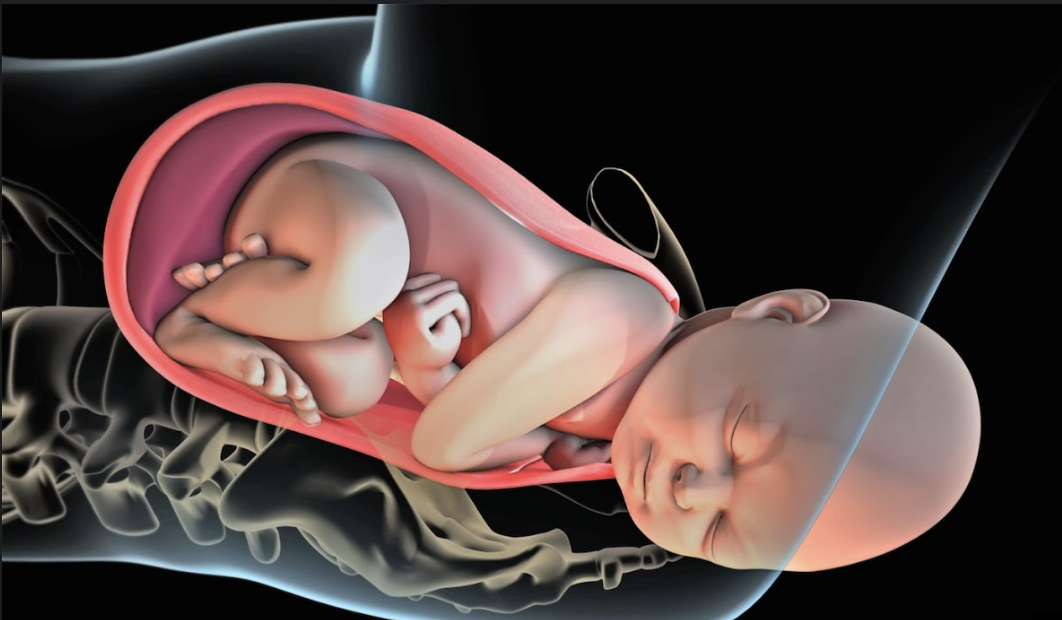
Have you ever examined certain aspects of life and wondered how everything comes together to form the circle of life? Many individuals are very mindful of the entire process of laboring a child. Many of these individuals spend years becoming educated in this particular field. They will spend hours and hours gaining clinical experience to gain experience in how labor works. These individuals are “medical professionals.” They may hold a lot of knowledge about how a woman’s body works during pregnancy, but they cannot account for those women who have different experiences than the rest. There are normal aspects of pregnancy that all women may face, but unknown symptoms should not be ignored.

Diving into the subject of labor, the question that comes to mind is “Who is in charge” of the laboring body? This question brings so many opinions and thoughts from every individual. It should be a shared responsibility of assistance from the medical team to provide their knowledge to best help the woman who is giving birth. However, there should be autonomy over her preferences of how she wants to give birth. There should be an equal balance of where the mother and medical professional agree to provide support for the mother’s needs.

In early times, the process of how women were taken care of for their pregnancy has completely changed even up to the way a child is delivered. In the reading “African-American Midwifery: a History and a Lament,” the Lamaze technique was mentioned which is “childbirth without pain.” This discussion spoke about the increased rates of “chemical stimulation of labor, episiotomies, cesarean sections.” Why should childbirth be done in a specific way? Why does it matter if a woman wants to have a pain-free birth? These ideas and concepts are still topics that are debated upon. Overall, women should be the only ones who get to decide what she wants. Medical professionals should only guide her if it will negatively impact her.

Blog Post #1 : Embodiment

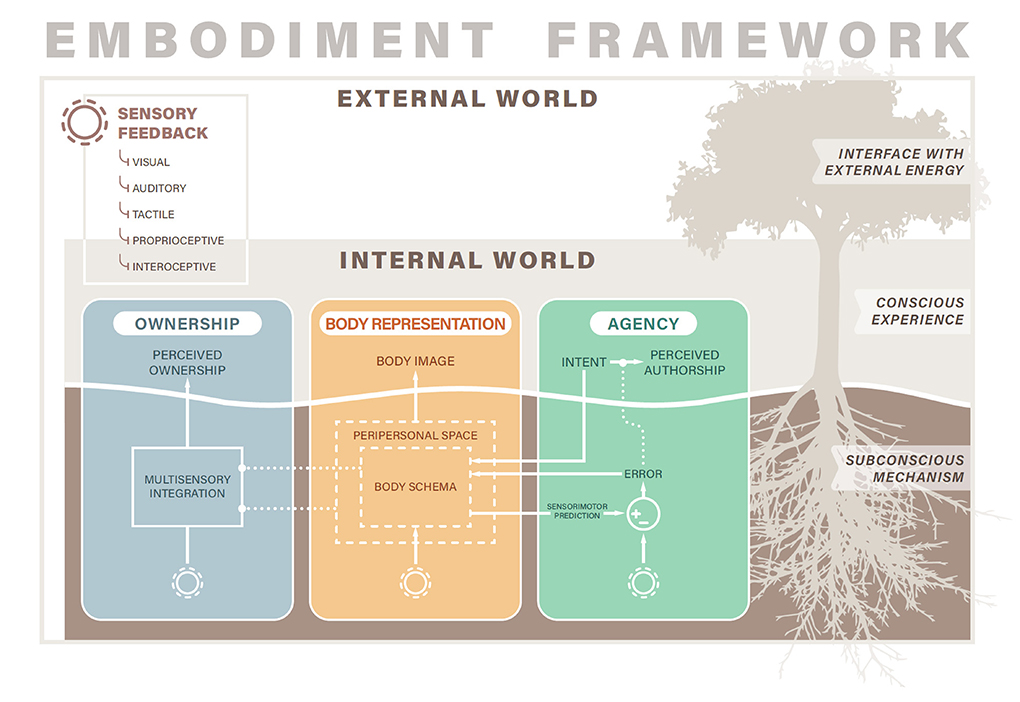
Embodiment represent bonds between our bodies, society, and technology, which goes above just living. Through various scientific ideas, my blog looks into how embodiment is affected by a range of environments and situations, from cyberculture to traditional social norms.

Digital Perspectives

In our generation, many individuals have used social media, impacting and shaping our self-perceptions. Based on “Not Just the Reflexive Reflex” observations, our online perception impacts our actual body image and self-worth. While this embodiment gives us control over how we show ourselves, it can be harmful because it can encourage unrealistic expectations which can impact individuals further. This leads to the questions of how real our digital identities are and how technology affects how we understand embodiment.

Phenomenological Views

Phenomenology points out a person’s subjective perception of the body, shaped by cultural expectations and norms, which moves away from the online realm to the lived experiences. Gender norms, for instance, influence how women should sit and stand, which shapes how they see themselves. Menstruation and other natural processes can feel exhausting due to these societal norms, particularly in cultures where they are taboo. These realizations push us to analyze how social and cultural conditioning may affect how we simply view our bodies.

Embodiment

The idea of embodiment has a connection in discussions concerning race and identity, as in the reading “Citizen: An American Lyric.” Not only are racial stereotypes and biases social problems, but they are also daily experiences that influence how people are viewed and handled. The criticism of racialized body expectations and public viewpoints draws focus to how deep cultural norms run and affect an individual’s identity. This point of view has a deeper understanding of embodiment, which shows how race, identity, and social norms overlap.


Overall, we can gain a solid understanding of how our bodies are not only human beings but canvases for societal expectations. Through embodiment, cyberculture, phenomenological experiences, and societal repercussions. This blog allows readers to think about how various factors shape their understanding of their bodies and to be more aware of various perspectives that take into account embodiment. “The everyday experiences and practices of living inside the body must not be overlooked or trivialized. As sociologist Anne Witz argues, it is imperative that we not only recuperate the body within sociology but also continue to forge new ways of thinking about the body that will be helpful to those working in a variety of disciplines” (Not Just the Reflexive Reflex pg.3) This way of thinking will allow society to progress more towards mental change.