Existing Alone (alternate title: dating myself)

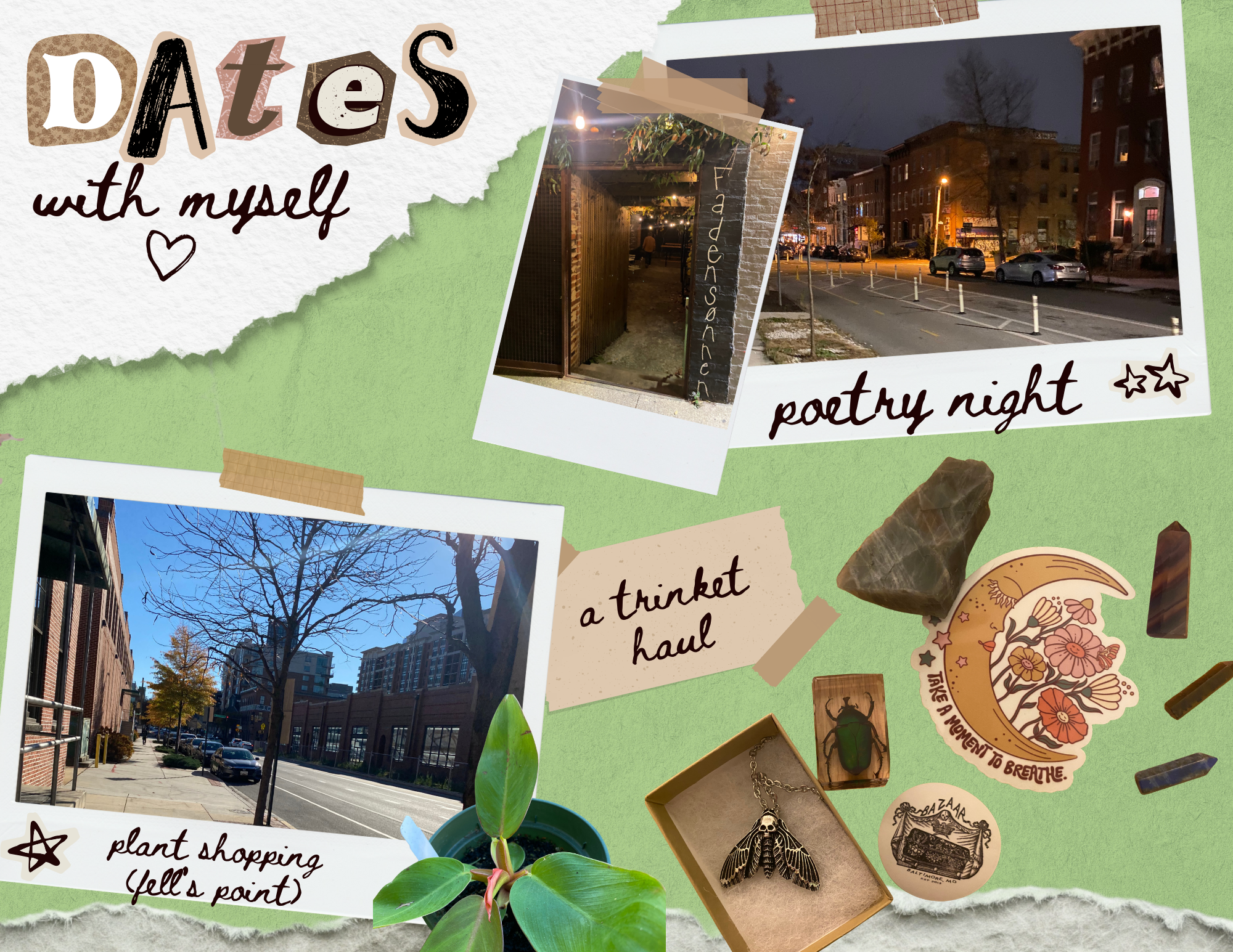
A collage made by me on Canva, consisting of different images I've taken while "taking myself on dates" over the past few weeks. Text reads: (top left corner) "Dates with myself", (top right corner) "poetry night", (bottom right corner) "plant shopping (fell's point)", and "a trinket haul".

A collage made by me on Canva, consisting of different images I’ve taken while “taking myself on dates” over the past few weeks. Text reads: (top left corner) “Dates with myself”, (top right corner) “poetry night”, (bottom right corner) “plant shopping (fell’s point)”, and “a trinket haul”.

I came to the realization this past summer that I have never lived alone. I grew up with a large family, lots of siblings and cousins always around, and went straight to living with my partner and their family at eighteen. After that, I came to college, where I’ve always shared a dorm or apartment with three other people. So learning to exist by myself, in a way that is not dictated or defined by the people around me, has been trickier than I’d care to admit.

Continue reading
parts unknown & the late anthony bourdain’s impact on inclusion

parts unknown & the late anthony bourdain’s impact on inclusion

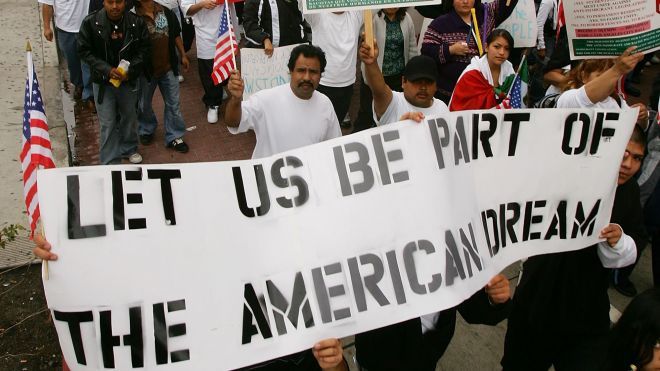
Surrounding all the recent buzz and chaos around immigration status and the laws regarding it, I’ve always had a lot of thoughts, especially as a child of two immigrant parents. I just wonder how people can think of other human beings as ‘foreign’ or ‘illegal’ when in reality, we’re all just one species inhabiting this Earth. What is so wrong about a multicultural society? Is it not a privilege to decide you want to try authentic food from another country, and be able to walk down the street and just do that? Is it not a privilege to work alongside people who aren’t exactly like you, but bring learning experiences, stories, languages and culture with them. 

As someone who loves to travel, there is nothing I love more than being able to not only visit other countries but meet people from those countries and understand their everyday lives or learn a line or two in their language. We live in a country so diverse with numerous diasporas, that this can be achieved within our borders, yet we’re not the slightest bit grateful. It’s also interesting to travel to other countries and observe other Americans and how they interact with those within the country they’re visiting. When I visited France this summer, a lot of the Americans I interacted with were very snobby and rude, complaining about the food they’ve had to eat, the subway system, and how busy the tourist areas were. I didn’t really care because I’m not the biggest fan of French people but I definitely noticed. it made me realize that not only are a lot of Americans not very accepting in their own country, but just everywhere. 

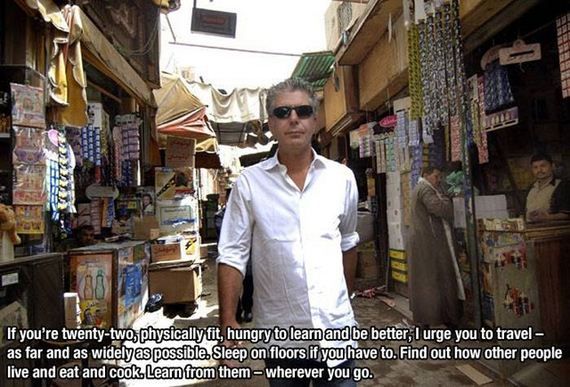
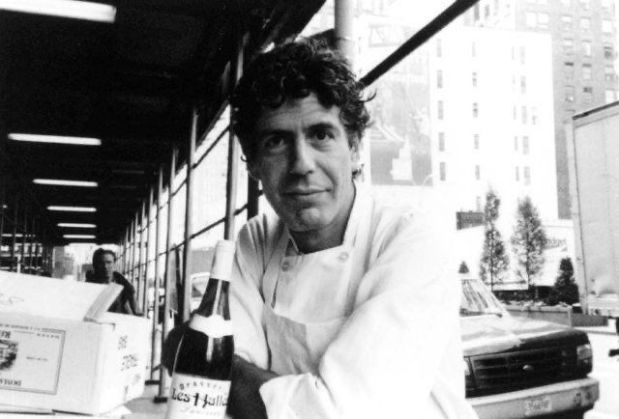
Growing up, every Sunday night around 9pm, I’d join my dad who was already watching CNN, to watch Anthony Bourdain’s Parts Unknown. I’d watch him go to countries throughout the world, and try their dishes, whether they were popular or not. I really admired the fact that for him, it wasn’t about food, it was also about living like these people. He also spoke so strongly and highly of immigrant people and even once stated “The bald fact is that the entire restaurant industry in America would close down overnight, would never recover, if current immigration laws were enforced quickly and thoroughly across the board. Everyone in the restaurant knows this is. It is undeniable. Illegal labor is the backbone of the service and hospitality industry – Mexican, Salvodoran, and Ecuadoran in particular. To contemplate actually doing without is to contemplate mass closings, a general shake out of individually owned and operated restaurants – and, of course, unthinkably higher prices in the places that manage to survive…the ripple effects would be grave.” 

While long, this quote is so beautiful because it speaks to the volume that America underappreciates illegal labor while continuously profiting off of it. But dare I say, even if people considered ‘illegal’ didn’t work so hard, their presence should be welcomed as no one can be illegal on stolen land as many say.
In class, we read Citizen: An American Lyric by Claudia Rankin, and though it focused on Black stories which I appreciated, the themes of systematic bias and aggression and everyday racism remind me of our society today, which is a shame due to many of the anecdotes being slightly dated. When our society should be progressing it is in fact doing the very opposite, and as American people we deserve to be ashamed. Although Anthony Bourdain’s fate serves as a reminder that no matter where we go, we cannot escape ourselves, his longing for good food and interconnection was a beautiful gift.

The illusion of sacrifice

Limitarianism. is a concept I encountered in one of my classes this year, and it has stuck with me ever since. A quick summary of limitarinism is that it argues that there should be a limit to how much wealth any individual can accumulate. We constantly hear claims that “there isn’t enough room in the budget” or “there simply aren’t enough resources” whenever social problems arise, but I refuse to accept those statements at face value. The truth is that scarcity is often manufactured. The number of people who have suffered or even died unnecessarily is devastating, not because their problems were unsolvable, but because the solutions were deliberately withheld because of greed. A small portion of the population controls an absurd and unjust share of wealth. Redistributing that wealth into public programs could revolutionize society and drastically improve the quality of life for the average person.

In the text “Framing Long Covid Through Patient Activism in the United States,” we follow a father who expresses deep frustration at no longer being able to fulfill the role he once had before developing long Covid. His struggle is not only physical but financial, revealing how illness in America often leads directly to economic hardship. What makes me frustrated however is that these forms of suffering are treated as inevitable. We see cases like his and respond with sympathy or admiration for the individual’s resilience, yet we rarely question why such suffering exists in the first place. If we allocated tax revenue more effectively and, more importantly, if we regulated how much wealth individuals and corporations are allowed to accumulate—these problems cease to exist to the level they are at now.

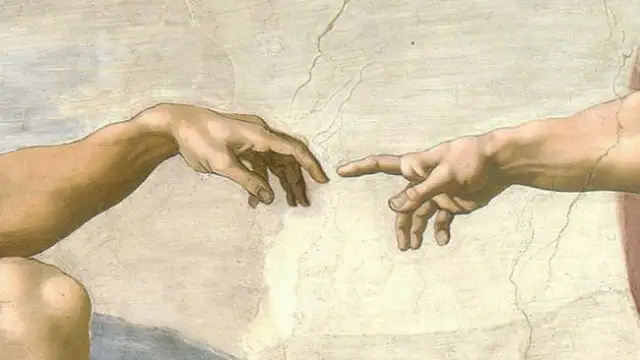
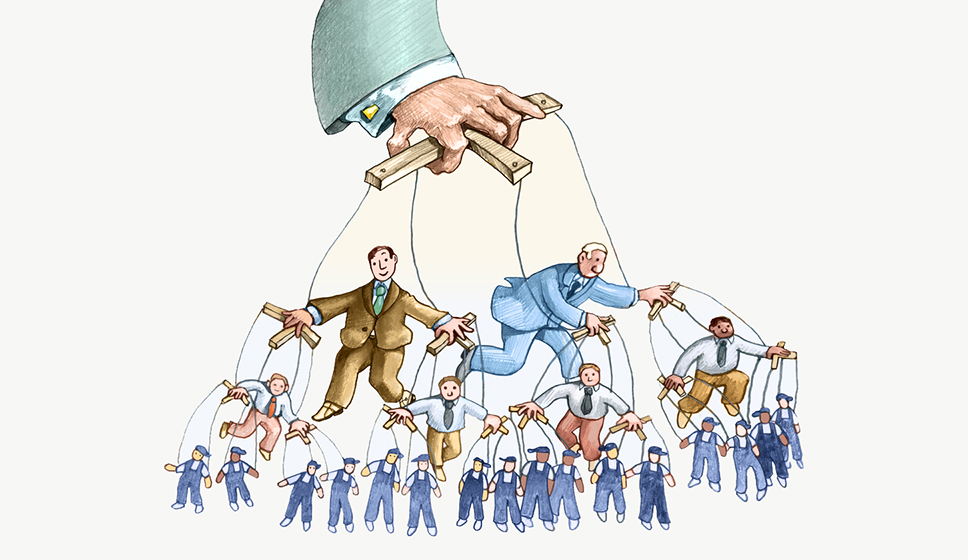
There is a kind of soft-core suffering embedded in our current system, an illusion that sacrifice is necessary, that we must simply make do because resources are limited. But that illusion is intentional. Change is just a finger tip away yet we see excuses rise frequently. The average worker is being exploited and conditioned to believe there is no alternative. The only reason we cannot access that help is because the ultra-wealthy and the systems designed to protect their interests refuse to extend it. Instead, they rely on excuses, fear-mongering, and division to maintain the status quo. 

Stereotypes in the Service Industry

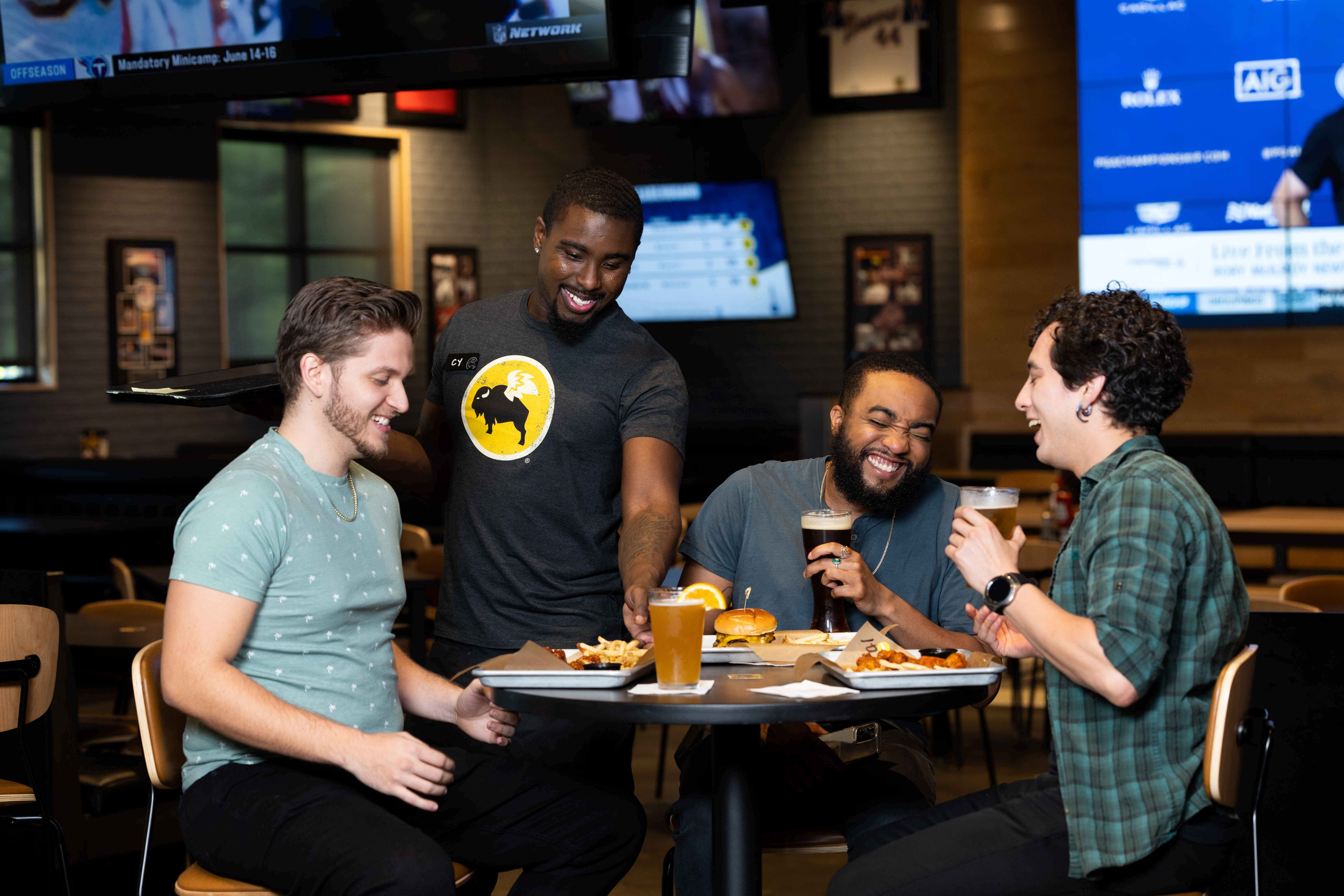
In the past three years, I’ve worked at two different jobs that have an aspect of food service. I’ve never personally been a server (aside from the two tables I served one day when we were short staffed at Buffalo Wild Wings) but being a server means relying on your customers’ generosity to pay your bills. From what I’ve seen, this leads servers to make many, many, MANY assumptions about their customers from the time they walk up to the host stand to when they walk out of the door. 

The main factors that come into play when determining if a party will be a “good” (high-tipping, low-maintenance) table or a “bad” (low-tipping, high-maintenance) table are age and race. The age thing is simple. Young people, like teenagers, don’t tip or will barely tip. Older people are more likely to tip because they are accustomed to that social norm and have the money from their grown up jobs to do so. This makes sense to me and I don’t think it’s the most harmful of stereotypes to assume. The racial stereotypes are a lot more complex and 100% more harmful. 

These stereotypes, in my experience, include (but are definitely not limited to) a White family will tip well, Black people will not and will ask a lot of their server, large groups of Hispanic will likely order a lot of beers and tip highly as a result, South Asians (often grouped together and labeled “Indians”) will ,without a doubt, not tip a cent, while East Asians don’t have much a reputation for being a good or bad in regards to tipping. Within the last month or so, I’ve heard some of my coworkers talk about how happy they are that it’s “snowing” (aka most of the customers at the moment are white) and when I was at Buffalo Wild Wings I remember an instance when one of coworkers paid another one of my coworkers to take a group of Indian people who came in pretty close to closing (the one who served them ended up getting a handsome tip). 

All of these experiences have reminded me of Chimamanda Ngozi Adichie’s ‘The danger of a single story’ speech. These stereotypes and assumptions are all based on a couple interactions and ultimately lead paying customers to be given shitty service regardless of how they plan on tipping. If, perhaps, my past and present coworkers were more open to seeing people (in both groups and individually) for what they actually are, they would earn the big tip they are so eager for. I understand that it’s difficult to serve a table that runs you all over the place just to not really get paid for any of it (most servers get paid around $3 an hour and almost entirely get paid with their tips if you aren’t aware), but viewing entire groups of people and perpetuating single stories doesn’t not help literally anyone. 

To all the psych professionals I’ve seen before

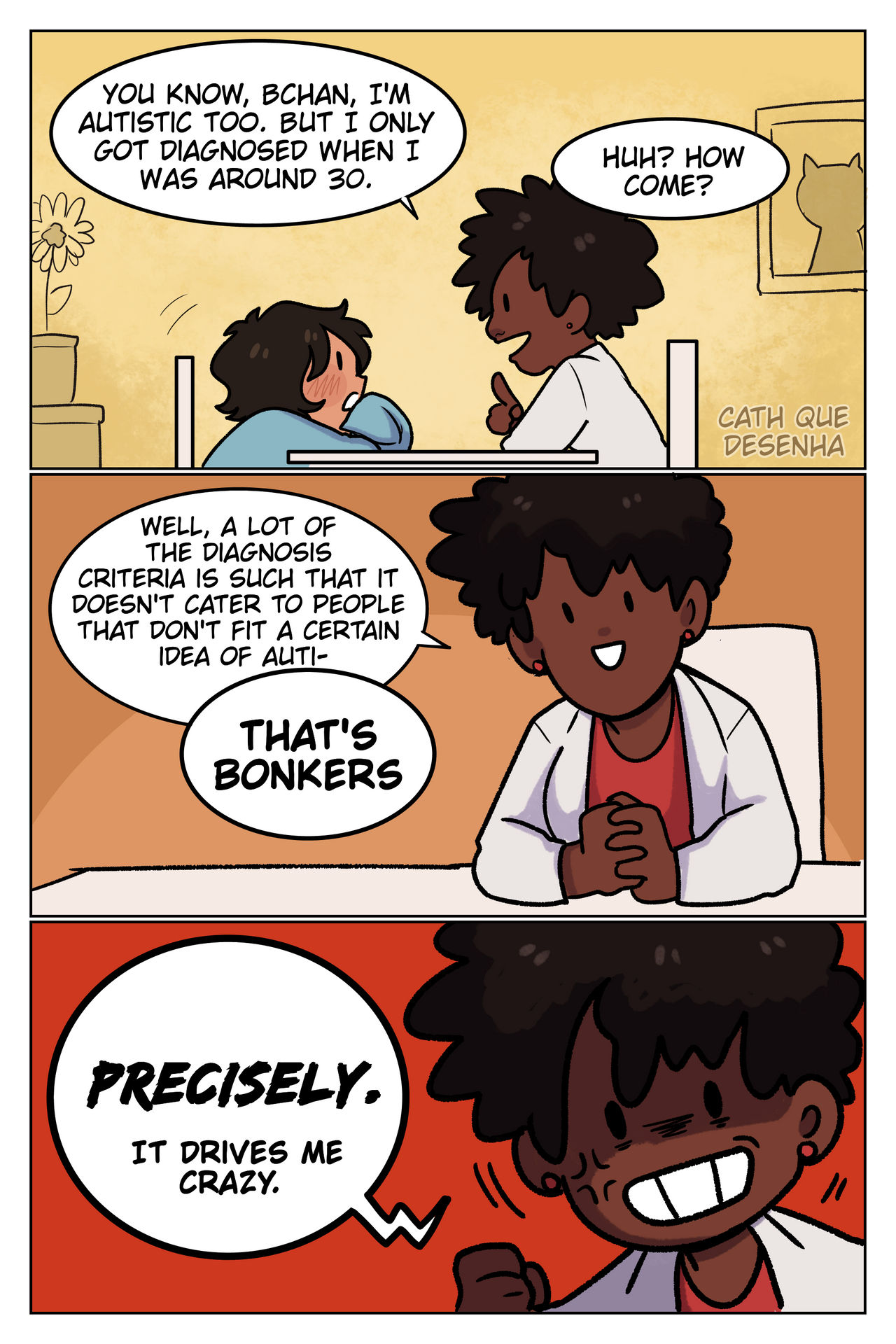
Growing up, I knew how to research. Researching stuff was my jam, and I built that skill through years of new hyperfixations and special interests. So, when I started to notice some psychiatric concerns and neurodevelopmental differences between me and my peers, I got to the bottom of it.

Even after a few trips to the child psychiatric ward during a few incidents in my teen years, I always ended up being blown away by how little the psych professionals seemed to know about diagnoses and treatment options. On top of that, because I had some background knowledge from my own research, it seemed to make psych professionals more dismissive of my concerns. Automatically, if you have done research that leads you to a diagnosis you think fits, you’re angling for a diagnosis just cause you want one and not cause you need the help. I have written a few of the particularly frustrating incidents below. Most incidents are from Johns Hopkins.

  1. When my social anxiety and sensory issues were particularly debilitating, I brought up whether or not a psychiatric service dog would even be an option for me. To which the psych team looked at each other in confusion and then asked me, “What’s a service dog? You mean like a seeing eye dog for blind people?”
  2. I brought up that I likely have Autism to the psychiatrist(?) assigned to me. She interviewed my parents and decided I didn’t fit the childhood criteria enough to fit the diagnosis, without interviewing me at all. Then, she tried to diagnose me with OCPD, and when I said I didn’t have those symptoms, she visibly deflated as if I had disappointed her
  3. A different psychiatrist told me that even if I did have Autism, there wouldn’t be a point in him giving me a diagnosis because I’d be too high functioning for it to matter
  4. I brought up to the therapist that I wanted to pursue a psych eval. She said, “What do you think they’ll find?” and I said, “depression”, then she actually laughed at me. I did get diagnosed with severe depression, obviously, so I’m not sure what her problem was

I’m not sure what the rules are for becoming a psych professional, but this track record is rough, and not nearly the worst I’ve seen. Please do better.

Phenomenology of Love

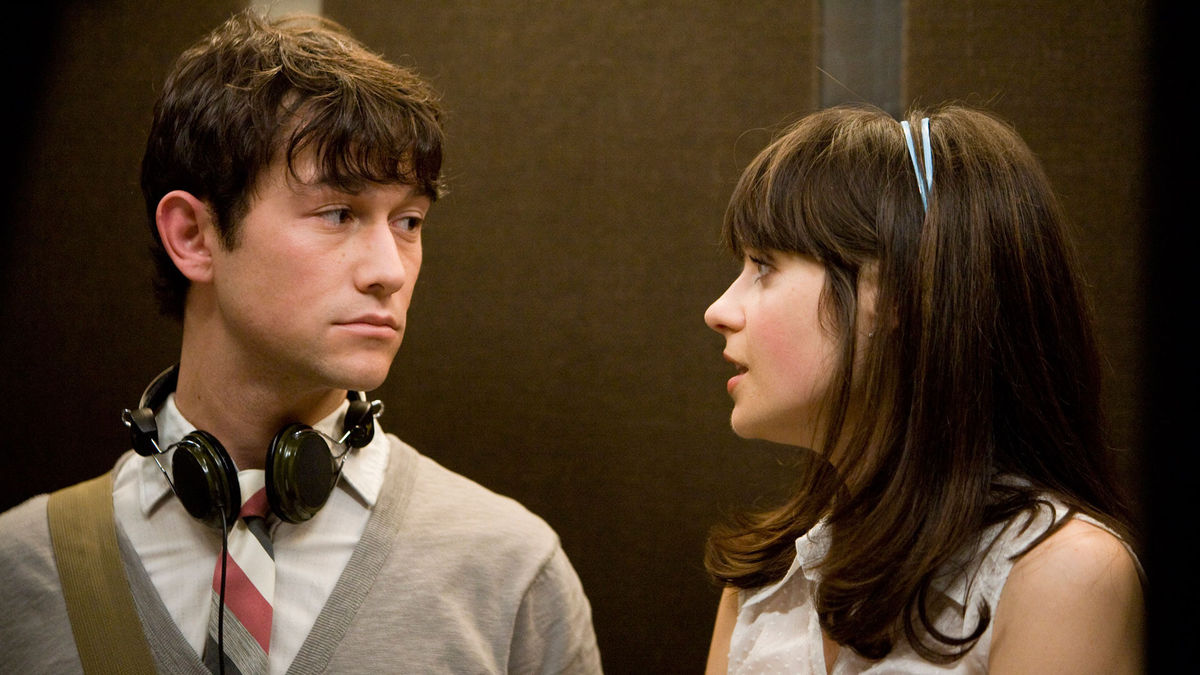
My guilty pleasure has always been romantic comedies and even though a lot of them fall in the girl and guy meet, they fall in love, something goes wrong/ misunderstanding occurs, they separate for a little bit and then they reconcile and live happily ever after, one of them stands out. 500 Days of Summer(spoiler warning even though the story isn’t even linear) is a story about a guy who meets and then falls in love with a girl who likes him back but doesn’t really want a relationship. It goes through a lot of different scenarios where eventually it doesn’t work out and he finds someone new at the very end of the movie. This movie is a perfect example of how the culmination of lived experiences can shape how you view love.

I am absolutely a romantic. I’ve been surrounded by love my entire life, my parents, my grandparents, my aunts and uncles all seemed to be in love and I wanted a piece. My first watch, I completely agreed with the main character. How dare this girl who expressed her feelings of not wanting a relationship with him end up not wanting a relationship with him. The whole point of the movie went over my head and they even tell you at the beginning. After a few more rewatches(I enjoy this movie a lot) and a little bit of growing as a person, I finally start to understand. And the whole reason I was able to understand why what happened wasn’t just one persons fault is because I’ve had more experiences with love since then. Perception of love can be so different from person to person and it’s most likely why love is so difficult.

The opening of the movie is of the main character and the girl’s upbringing, showing how the main characters perception of love was shaped from movies and music, stemming the hopeless romantic mindset while the girl’s perception of love was shaped by how her parents divorced when she was young which stemmed the cynical mindset and we see how their mindsets clash during the movie. It is just so interesting how much experiences and very little or subtle changes in a life can change so much about someone. Always keep a open mind and a open heart.

My Unruly Body (A Poem)

I look at myself in the mirror 

My prescribed vision has never been clearer

But my eyes start to blur as the tears roll down

I don’t feel beautiful, I feel like a cow

I look at myself in the mirror 

My prescribed vision has never been clearer

But my eyes start to search for every flaw that I have

The stretch marks on my skin, the hives on my back

A thought claws out from the back of my mind

“This body of mine needs its shaping relined”

Through tears I stare and poke and prod 

The origins of that horrible thought

At the end I find a whole vicious plot

To get me to surrender my joy

I will not

I look at myself in the mirror

Shaken, battered, bruised by the world

The expectations placed on a black man to be strong, savage, and fertile have gone too far

I break the chains that have held me down 

That prescription was wrong but I can see clearly now

They lied about my body to me 

They said big was worse and black was dirty

They pushed me to hate myself and for what?

So i could give them more money, be docile, unfree?

If they want a savage, then that they will see

It is savage to love yourself thin, thick, sharp as a diamond ring

They called my ancestors savage for doing the same thing

bodies. Bodies. Bodies. BODIES

Mind

Is it My Initial Neglected Domain 

or am I condemned to haul its weight like a beast of burden?

Do I really look like that, or is dysmorphia the mirror that lies louder than truth?

Black: Behold Limitless Anger and Cold Knife blades
Do I matter — or only when we’re at Dave & Busters?
Am I too dark for safety or too light for belonging?                                                                                            Will always be seen as armed and dangerous when your skins a weapon
Bodies

Disabled: Doubtfully Invisible Says All But Longing for Equal Deservance
No chair beneath me, but pain still builds its throne.
If they don’t see it, will they call me a fraud instead of human?

LGBTQIA+: Living Guilty Becuz They Quiet Individual Advocacy
I’m not confused — or am I?
My existence is not a debate;
I am a real (Wo)Man, whether they choke on the words or not.
Bodies

Fat: Fitting All Tropes
Every step, a verdict.
Every glance, a sentence.
They call it “the easy way out”                                                                                                   While I carry a lifetime of shame like armor I never asked for.

Jailed: Jacked And Incarcerated Living in Empty Darkness
Does dignity only belong to the unarrested?
Can I get common decency without starving for it?
Is a calendar cautious— or just another thing denied?
Bodies

Protested: Posting Radical Only Tweets for Everyone to See The Everlasting Death
The heat took everything, but their cameras took more                                                                Do you smell that?                                                                                                                    That’s a life unraveling while they chase the perfect angle.                                                           Did the flames illuminate enough for your feed?                                                                        Was someone’s final moment bright enough for you?
Bodies

Where did the community go?

After watching the United in Anger documentary and reading You Are Not Entitled to Our Deaths by Mia Mingus, it really made me sit down and think about how performative protest can be at times. I struggle to understand why that is, because the main foundation of every protest is the collective understanding of the mutual struggle that they have and the common cause of said struggle. For instance, the exclusion of disabled people in the talks surrounding COVID, as noted by Mingus, the documentary talks about how many people did not join in on the ACT UP protests until they received a diagnosis of their own. Likewise with the documentary mentioning how some of the AIDS reform was regressive because it was male-centered in how the disease can manifest itself, so women were still left out because some of the criteria that one would need to be able to get some benefits, like common illnesses that come along with a diagnosis, were not common among women, and they were still suffering. Even beyond those examples, looking at the women’s suffrage movement and how white women were hesitant to include black women, for fear that their demands would not be met. The beauty of protests is that people from different walks of life come together and no one is left out; their voices are not trampled over by other parties. Must we wait until we have a personal stake in something before it matters to us? What good is protest if we don’t bring everyone to the table?