
Understand and explain how different forms of embodiment are produced and shaped by narratives. That’s the course learning objective for this unit. The further explanation notes how oral history is produced by selves and produce selves in their telling.
While I was reflecting on how my topic was going to connect to the course objective, I reflected on my recent experience watching the production of “Call Me By Any Other Name…Just As Sweet”. The piece was very impactful, and while I watched the production I was struck with the familiar thought when I am witness to an impactful piece of art- ‘I wish everyone I’d ever loved or know was here next to me to see this too’. Thinking about it more, I think its a thing of I see my human experiences mirrored back to me in media/art and I crave that visibility in my loved ones. Like.. I wish I was understood in THIS way. It’s like when you watch an impactful movie with your family or friend and you want them to get it in the same way you did.
That’s what ‘Questions of Faith’ from Nonbinary: Memoirs of Gender Identity felt like for me. Like I wished people in my life would read and understand my feelings about it. It’s a memoir produced by selves and it produces selves (recognition and validation of my own experience).
- Complicated hometown church/small town feelings. Growing up in a small town, being active in church activities, being known as one image of a person and feeling very different. I avoid spaces where I might be known in my hometown to avoid seeing people that know my family, or dress differently in my church to uphold the image. I am very selective with who I’m out to, and to which family friends and people know I am dating my girlfriend.
- The feeling of looking for faith communities that fit me. Beyond the feeling of ‘fun’, I struggle with connecting with individuals in faith communities when I leave big parts of me at the door. I have felt like individuals in faith spaces I have been in the past lack a lot of nuance and say a lot of things that make me cringe internally.
- Having faith questioned in queer spaces. This one is like when queer spaces are exclusive of religion because of their experience of church hurt/other reasons. Being ridiculed by queer people for being religious. ‘You are still brainwashed and an idiot if you are queer and religious’.
- The biggest factor to drive me away from religion is the intense pressure from Christians to conform to a very specific image of a religious person. My family, Christians that I know and Christians in politics drive me away from being religious more than the world/ or sin does.
- Cycles of faith. Practicing faith because I was forced to but continuing to practice even though I don’t need to anymore. Leaving and coming back to faith, feeling anchored and simultaneously held down and restricted by it.
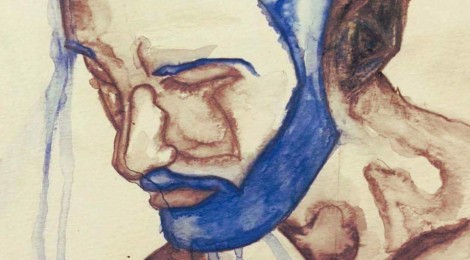
 Disability provokes a queer understanding of identity. Being queer in different environments–rural and urban–is like being a polar bear or a house cat, a bird or a lost lizard in a sewer. The criticism that Clare invokes when talking about these topics is also critical of race and ethnicity and of privilege and gender. Who was the first to claim land as an inexhaustible resource? Who dictates the gender and sexual norms? Who creates the urban space that perpetuates disability? Clare touches on all of these linked together identities and sites, and it feels so right. I learned so much from Clare’s writing, but I also picked up his sense of criticism; that calm, assertive, compassionate voice that questions why and kicks out with fervor. Clare’s criticism is beatifically formed and so god damn smart, but it’s not the only thing that keeps me in the book.
 Unruly Bodies