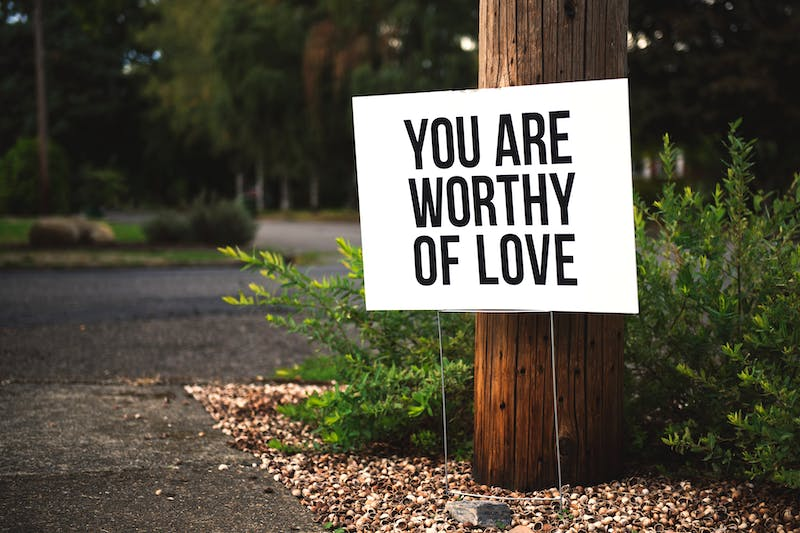
“You look too thin.”
“Why are you so short?”
“What happened to you?” (as they are pointing to my stretch marks)
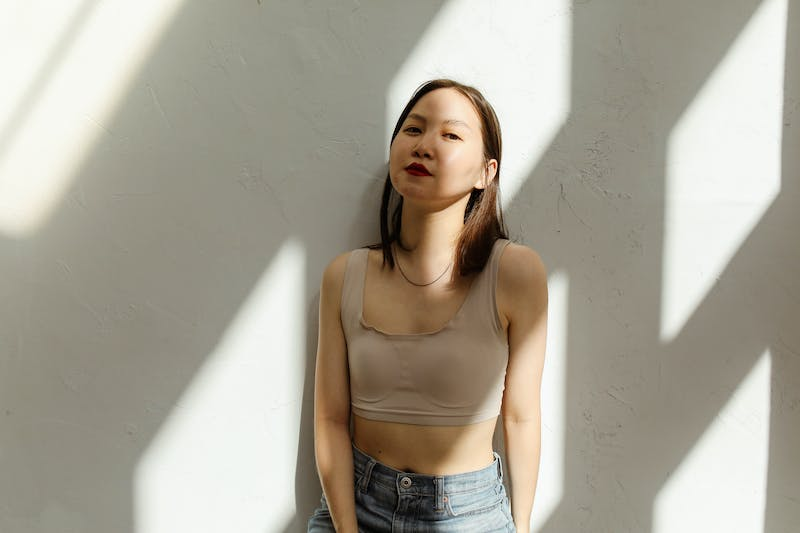
I have grown to continuously question whether I am enough in the eyes of Asian beauty standards. Pale skin, thin, no marks or lines on your skin- that was the standard.
My mother and the other Asian aunties made it a habit to always nag me about something of my physical appearance- whether it was my weight, height, or skin appearance. An auntie would go out of their way to come up to me suggesting that I need to eat more because I am too thin. That because I do not eat enough, I am too short, which is not conventionally attractive. Is this really something you say to a kid? Most definitely not. It changes the way they think of themselves and creates unhealthy ways of thinking/living, like doubt, self-loathing, and constant comparisons to other people.
At every nag, I would think that I was doing something wrong because my body did not look a certain way. Are these critiques justified? Is my body not beautiful in their eyes? Am I not enough? Do other people’s opinions of my body matter? NO TO EVERYTHING. In Iris Marion Young’s “Throwing Like a Girl”, Young states “…these phenomena weigh down the woman’s existence by tying her to nature, immanence, and the requirements of the species at the expense of her own individuality”. When aspects of our body, which are very natural, are criticized, it makes us feel ashamed of what makes us unique. The phenomena of experiencing beauty standards as an Asian woman can feel suffocating, confusing, and hurtful, which can have long-lasting negative consequences. This experience creates a toxic environment where people do not want to embrace the things that make up their appearance and identity. Beauty standards make people feel ashamed of who they are and of things they have little control over. It causes people to become obsessed with looking a certain way, to reach an unrealistic and unhealthy standard.
This feeling of suffocation does not go away. Though I am an adult now and I do not receive as much criticism as I faced growing up, the consequences of harsh beauty standards are still apparent. I look back on the comments I received as a child and I can see that the intentionality of the comments is a form of twisted love and concern for my wellbeing, but the voices behind those comments never gave much thought to the lasting implications of enforcing these toxic standards. There should not and never be an exact definition of what is “beautiful” and “normal” of a body because bodies have different backgrounds, looks, colors, sizes, and stories. Everything is beautiful, but there is no normal. As a community, we need to be more mindful of what we say about others, especially if it is about their appearance or identity. I come to learn that no beauty standard should have power over me and the perception I have of my body nor should it impact anyone else. We can take away the pain and hurt of those comments and replace it with our own voices, which should embrace the individuality of beauty.