
TW: ableism, self-harm
Disability imposter syndrome is strange. I’ve been living with it since I was a little kid, and yet I still find it difficult (and oddly embarrassing?) to discuss, particularly with abled people. I was first diagnosed with ADHD, Anxiety, and mild Depression in elementary school. My mom arranged for me to have academic accommodations, much to my classmates’ dismay. They didn’t understand why a person like me, who seemed perfectly capable, got “special treatment.” But they didn’t have to worry about that for long: once middle school rolled around, I was denied accommodations because ‘I could pass my classes without them.’ In my school’s eyes, I wasn’t disabled unless I was failing. Being 12 years old, I believed them. When my symptoms got worse, I told myself it was all my fault. Overdramatic, lazy, stupid, annoying: my personality was the reason I was suffering, surely. After all, if I wasn’t cutting or having panic attacks or flunking my classes, I wasn’t disabled.
Even back then, I realized those thoughts weren’t healthy. But I couldn’t help feeling like I wasn’t disabled enough to count. Sometimes I still do.
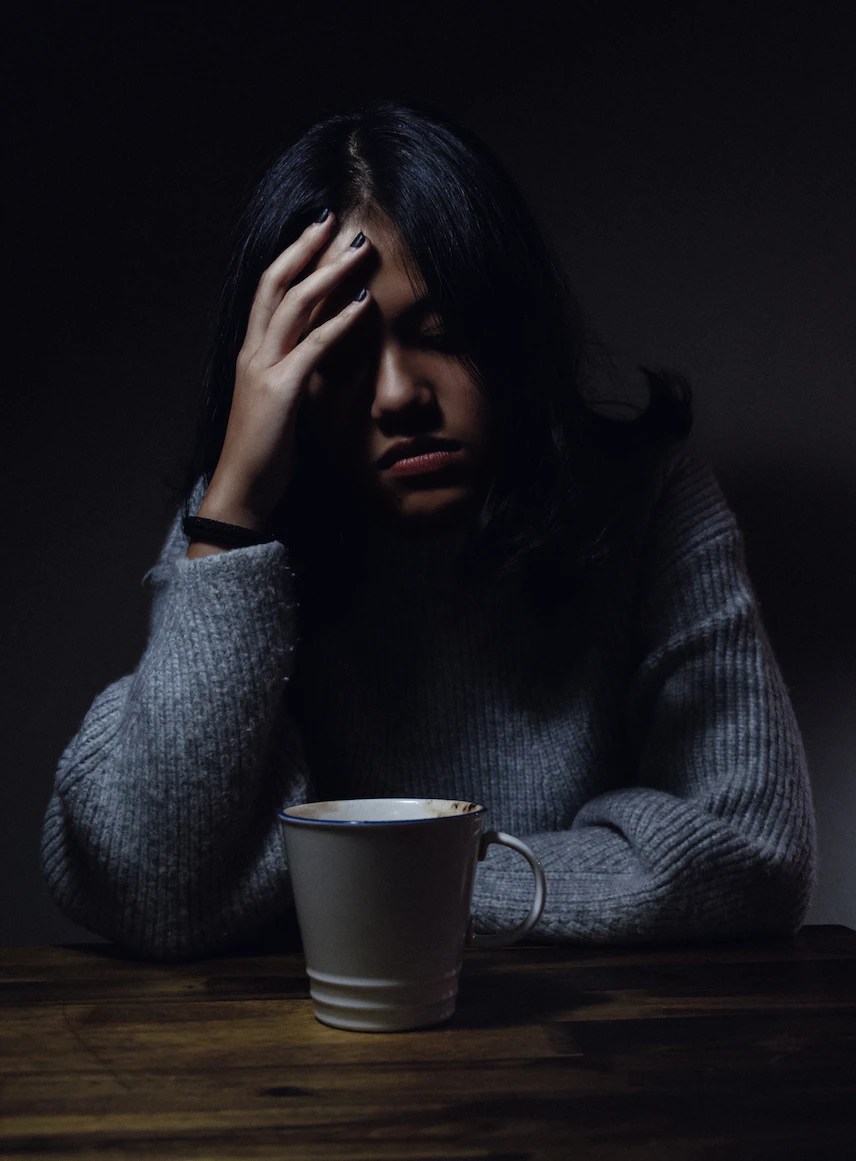
About five months ago, I was recovering from my second bout of COVID, and I never really got 100% better. I figured the residual effects would go away after a few weeks like they did the first time, but they didn’t. I still struggle on and off with intense brain fog, chronic fatigue, breathing problems, and a slew of other symptoms. I, like so many others, am suffering with Long COVID, a diagnosis that is essentially a giant question mark. My doctors are hopeful it will go away on its own, as it has for some, but they really just don’t know. I could wake up tomorrow and be fine, or I could be like this forever.
Sometimes I wonder if it’s all in my head. On bad days, I feel embarrassed by my inability to execute basic tasks and frustrated because I know the tasks should be easy. On good days, I find myself torn between the fear of another flare up and the fear that people will think I was faking it all along. Even to myself, I question the validity of my experience; I recently had to lean on a wall to catch my breath after a short walk, and I remember thinking to myself “I’m being so dramatic.” I was alone in an elevator.
That insecurity of being overdramatic, the fear of not being able to trust yourself, the belief that you’re “not disabled enough” to count — that is disability imposter syndrome at its finest. But I’m learning to fight it, to forgive myself for my limitations, to treat myself with compassion, and to advocate for myself because I am worthy of support.


I think this is one of the hardest things to overcome. Nobody is normal, nobody is typical, we should support everyone and not put labels on things. But we do, and it leaves people feeling different or as though they don’t deserve help. It breaks my heart, because we should all try to lift each other up where they are weakest, it shouldn’t make a difference if they have had a doctor put a label on it or not.
I 1000% understand what you’re talking about here. My own blog post is about feeling similiarly since I am someone who is undiagnosed but still uses the label neurodivergent. I have been diagnosed previously as having generalized anxiety disorder and depression, but there are so many times where I feel like I’m faking it. No matter how many times I have to work through body pain/ health issues caused by chronic anxiety, it just feels like something that’s all in my head and isn’t really all that much of a big deal. Of course, if a friend came to me with this same concern, I’d immediately jump to support them. I try to lend myself that same compassion and trust.
This is so important because everyone deserves to be helped and supported even if they think they don’t really need it. We shouldn’t compare our own problems to other people because just since someone needs more help than someone else doesn’t mean that they don’t both need and deserve that help. Receiving support can prevent bad things from happening before they happen, so we shouldn’t just wait to get help until something bad actually occurs.