
Growing up in a multicultural household, my definition of “normal” was always different from everybody else’s. How people dress, act, talk, what kids my age would pack for lunch, it was all so different from mine. Not only that, the media we consumed was so different from the rest of the world.
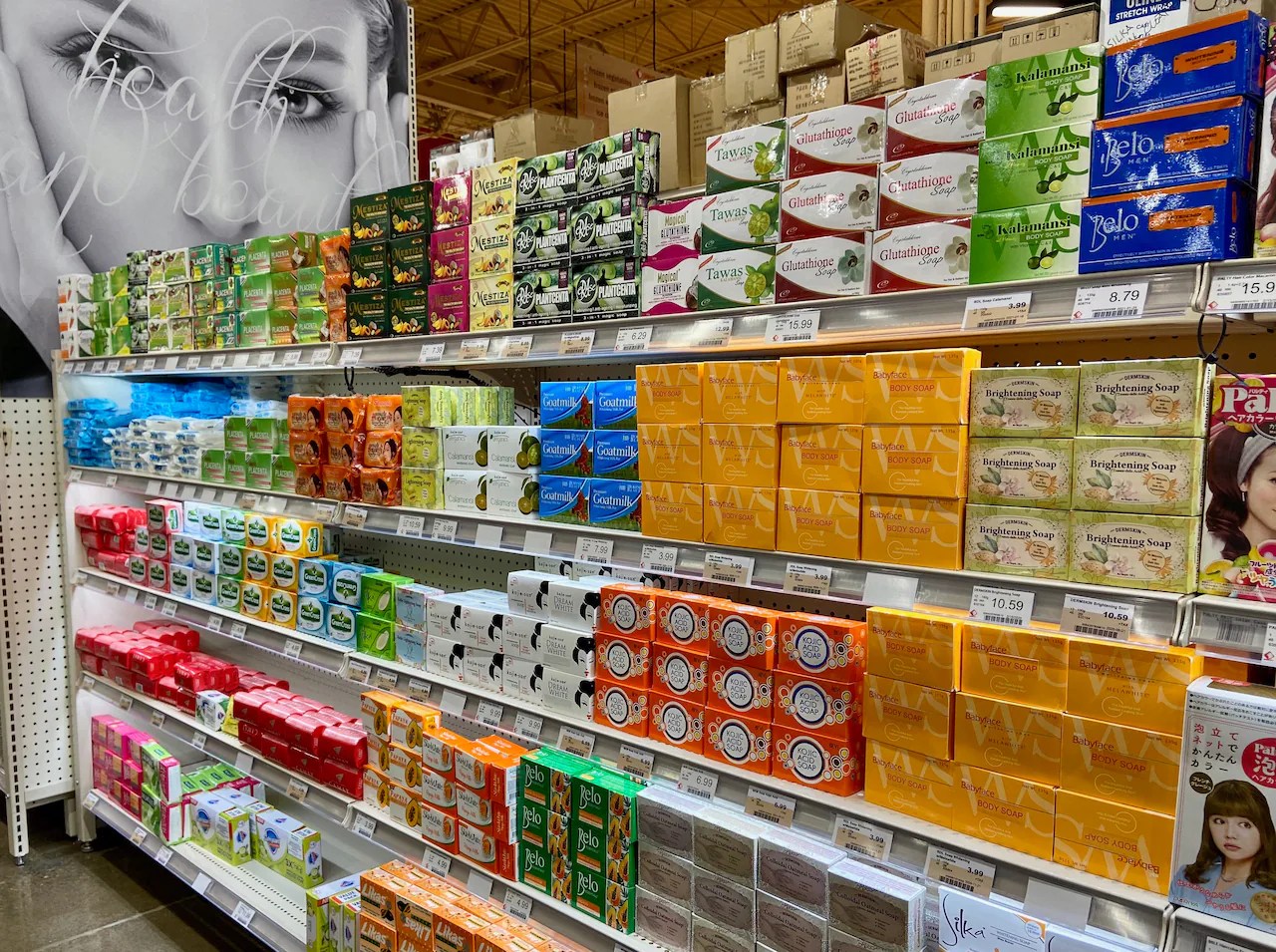
I remember the biggest difference I noticed between my two cultures (one being my parents in the Philippines and the other my life with them in America) was the beauty standards that were placed on society. When I was younger I would visit the Philippines a lot to see my grandparents and the rest of my family, and the one thing that shocked me most was the aisles in the grocery store, or the cabinets at my aunt’s house filled with whitening products. I didn’t understand why people wanted to whiten their skin so badly that there were pills and soaps all marketed for whitening skin. It wasn’t to “brighten” skin, but to quite literally “whiten.” My dad was always on the darker side and always embraced it, especially living in the US people would always compliment his “tan” and tell him that it was really nice. Going out to beaches or grocery stores there are shelves with different tanning oils, lotions, anything to help with becoming more tan so my visits in the Philippines shocked me.
It wasn’t until I was older when I realized these products had deeper meaning. The lighter your skin was, the better people could treat you. Tanning in the US was only beneficial when you’re white and didn’t have to experience colorism and racism, and beauty standards only benefitted certain people. Thankfully, I was fortunate to grow up in different countries and states due to my dads job so I didn’t really understand standards like that. I was able to see different perspectives and grew up to be able to differentiate my rights from wrong so going to the Philippines and seeing the aisles of whitening products didn’t make me insecure or feel the need to be pale. Instead, it allowed me to see perspective on things that I once did not understand. My lived experiences allowed me to understand differences and cultural norms even if the intention was not right.


Wow! This kinda reminds me of what I learned in sociology. In certain countries lighter skin is what’s considered beautiful. Even where I’m from, women bleach their skin and they spend too much money on these products. But it doesn’t even look natural because when you look at their knuckles that’s their natural skin color. The men in my country only look at lighter skinned women and usually those are the ones getting married or looked at as beautiful.
Your post definitely resonated with me. Although I could never experience what you felt and continue to feel, I can relate in a sense because I am also Asian. I am Chinese and I lived there for a few years. I noticed that a majority of all of the people, especially the women, had fair skin. Yet, I would always see skin brightening (whitening) products being promoted. A lot of Chinese celebrities are very pale as well, which sets a standard for the people living in China for what is considered “beautiful” or “the norm.” When I came to the states, I was surprised at the disparity between how skin tones were viewed. Like you said, the US looks favorably at darker skin while Asian countries find it appalling. I never understood the standard either. But this situation definitely reminds me that everyone has different lived experiences, which is impacted by their environment or their own personal sentiments. With all of the skin whitening, it makes me think, at what point will it be too much? At what point will people reach that they deem their skin to be “light enough”?