Body Shaming In Sports

I have always been an athlete since the day I could walk.

Growing up, my dad got me to try out different sports. From gymnastics, track, swimming, soccer, you name it. It was something that my dad saw was important to grow up with. I ended up sticking to soccer and I used to HATE it. I was forced to play coed soccer (which always meant a team full of boys and one or two girls) and it always made me dislike the sport. I used to cry and never want to go to practice because it scared me. Being the only girl on the team, knowing I was never going to get the ball because I’m a girl, and having to play rough with the boys. Soccer was always something that I always hated as a kid. My dad ended up putting me in an a girls team after while and that is when I started to enjoy the sport.

I found love for the game and I never quit. It made me want to try out different sports in high school as well and it allowed me to pick up athletic skills super quick. Being an athlete was my life all through out middle and high school and I loved every second of it. Soccer is a sport that a lot of people start when they are super young so there were a lot of player in my high school varsity team that was really good. Since I had a huge gap in skills because of the time I stopped playing my dad really wanted to motivate me to do better. He was encouraging – in his own way. He made me practice on the field near my house on days I had no practice for my club team and tried to get me to exercise more. But it got to the point where the encouragement were comments that tried to get me motivated in different ways. Instead of just telling me to go on runs in the morning, it became “you look like you’re gaining weight” at the dinner table. Instead of “keep practicing, you’re going to get better”, it became “you’re getting fat.” It was really hurtful to hear sometimes, but I knew in his own weird way he thought it would encourage me to be more active. I grew to ignore the comments and I did my own thing and never lost sight of the things I love. I picked up a new sport in high school and I became really good in it super fast. Soccer was still a sport I enjoyed, but to me it will always hold a lot of pressure as well.

Thinking about my experiences with bodies and sports, it makes me sad to think that there are sports where body shaming is extra bad. Ballet, gymnastics, figure skating, etc. I have heard stories of girls who are so skinny to the point they are just skin and bones, are called overweight and fat. But now in everyday scenarios I am always very cautious with comments about appearances and I urge people to do the same. Words are so powerful and they hold so much weight. We all need to be mindful about the things we comment on or how we say things.
Mental Health Doesn’t Exist

That’s what my parents think.

Its hard to understand the mind when there are so many problems that just go unnoticed and uncared for. As I grew up in my household, there was a lot of issues that I had to face alone starting at such a young age. There were things that I did not know how to explain and things I did not know how to fix. A lot of times it was be just thinking I was sad or nervous about certain things that were happening in my life, but when I told my parents about it their only response was for me to pray. They told me to pray and my sadness and fear would go away. They told me I needed to go on walks outside everyday because staying in my room was causing me to feel on edge all the time. What they didn’t know was getting out of my room and out of bed was sometimes the hardest part of my day. No matter how much I prayed to God, it would not fix the problems I was having within myself.

As I grew older, I started to learn words that could help me describe what I was feeling. Words that put a label on my sadness or the nervousness I felt all the time, but I would never want to say it in order to avoid self diagnosing. It was hard because I was having a really hard time with my mental health, but being raised by my parents who thought a prayer was the solution to all my problems I felt like it was not right for me to say I had something without the proper diagnosis. I did not want to use the words lightly and end up downplaying anxiety or depression. When my parents would ask me what was wrong, I could never give them a solid answer. I just knew my mental health was not good, but there was no specific reason why. There were times where I considered getting diagnosed, but I don’t want my parents to feel like it is their fault that I feel this way. I don’t want my parents to feel like they failed raising me because in all honesty they didn’t. There is no specific reason, but I don’t want them to feel like its them. And if there isn’t a specific reason then they are going to think that my issues are fake. That it is all in my head and easily fixable because I did have a good life.

To this day, I still struggle with my mental health. It’s hard because sometimes I feel like I have “no right” to feel the way I feel (as funny as that sounds). I feel like I had good parents, a great life where I didn’t have to worry about much, and I am able to go to school, go out whenever I want, etc. It feels like I am just complaining and its not fair for me to talk about my mental health issues even though my head tells me that shouldn’t be the case. No matter, its an everyday struggle that I am still trying to figure out. It has gotten better over the years, but it is something that still needs to be talked about.

What Do I Do With This Information?

Being a woman of color with a major about health resources and allocation, it’s often hard to make decisions to open ended question in my classes. I major in Public Health and many times we talk about health disparities and how to allocate our resources, make policy changes, and find the root to the problem. Oftentimes it is hard to agree with a room full of people who do not understand the full effects of their thoughts and actions. They sometimes fail to realize cultures, socioeconomic background, and the systemic racism of our policies and the world we live in.

It can be easy to say that people who are highly infected should get treatments and vaccines, but what about the cost of that? Will the government pay for it? Will we make those who cannot afford the treatments pay for it when the reason they are in a highly infected area is because they do not have the original resources to test and isolate?

How about issues regarding guns in public housing? Do we get rid of the law that allows people to purchase and keep it? Do we allow it, but strengthen the background checks and paperwork? How about those who have to live in these public houses because they cannot afford to live anywhere else feeling unsafe because this type of housing is situated in low income, high crime rate areas. And how about those in power or watching over these areas? Will they take the time to check if these firearms are legally obtained or will they just assume they are all criminals and arrest or even kill these innocent people.

But with all this information and everything to consider it is hard to come to a conclusion to help the public because systems are in place to help white people. Systems are in place where people of color cannot and will not succeed, but even people and their ideologies, opinions, thoughts, hinder safety and well being. I often feel overwhelmed with the decisions that I have to make and how it will affect other people. So with all the information I have learned and are still learning, what do I do with this information in a room full of white people?

Is The Beauty Standard Really The Standard?

Growing up in a multicultural household, my definition of “normal” was always different from everybody else’s. How people dress, act, talk, what kids my age would pack for lunch, it was all so different from mine. Not only that, the media we consumed was so different from the rest of the world.

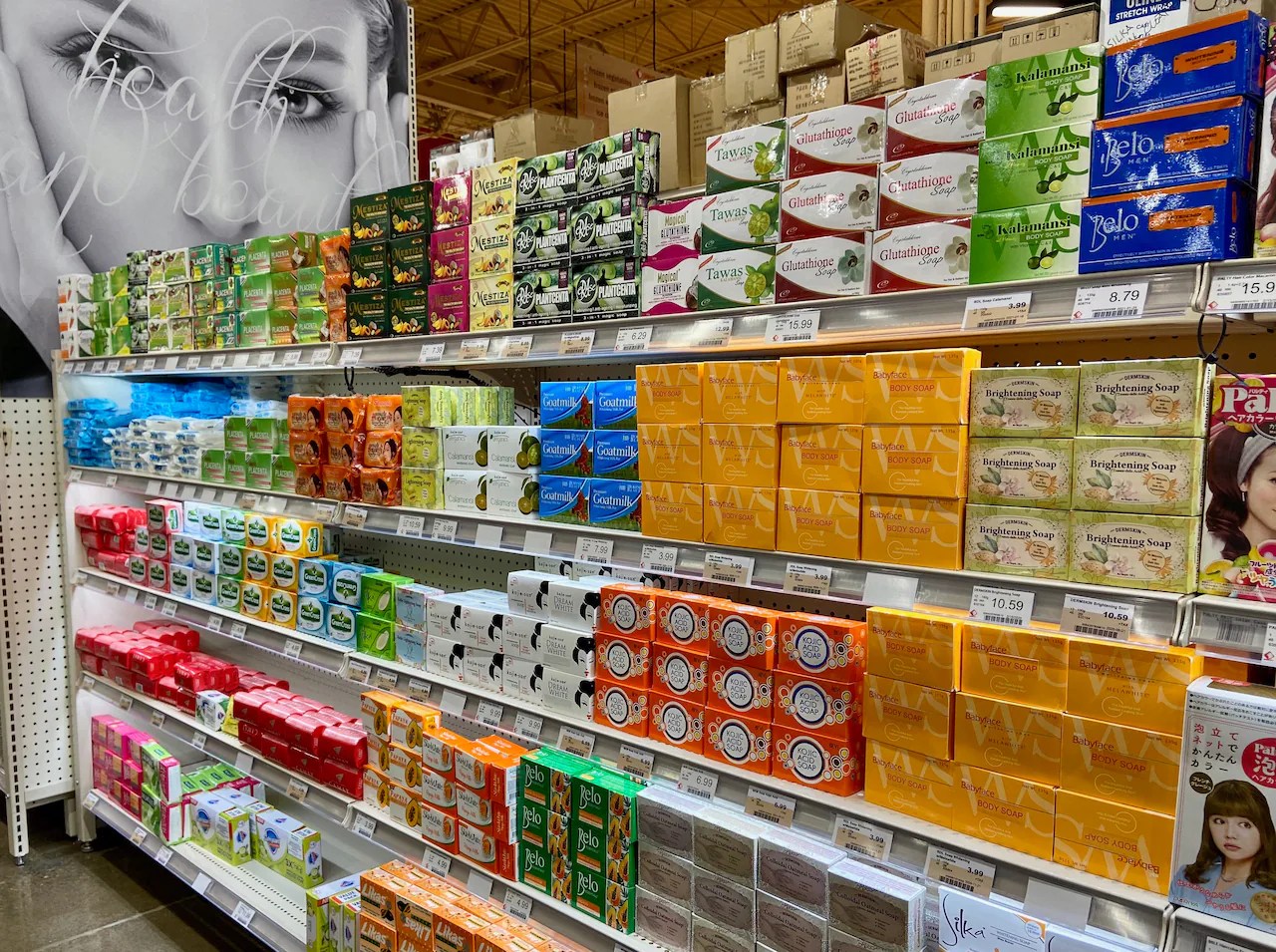
I remember the biggest difference I noticed between my two cultures (one being my parents in the Philippines and the other my life with them in America) was the beauty standards that were placed on society. When I was younger I would visit the Philippines a lot to see my grandparents and the rest of my family, and the one thing that shocked me most was the aisles in the grocery store, or the cabinets at my aunt’s house filled with whitening products. I didn’t understand why people wanted to whiten their skin so badly that there were pills and soaps all marketed for whitening skin. It wasn’t to “brighten” skin, but to quite literally “whiten.” My dad was always on the darker side and always embraced it, especially living in the US people would always compliment his “tan” and tell him that it was really nice. Going out to beaches or grocery stores there are shelves with different tanning oils, lotions, anything to help with becoming more tan so my visits in the Philippines shocked me.

It wasn’t until I was older when I realized these products had deeper meaning. The lighter your skin was, the better people could treat you. Tanning in the US was only beneficial when you’re white and didn’t have to experience colorism and racism, and beauty standards only benefitted certain people. Thankfully, I was fortunate to grow up in different countries and states due to my dads job so I didn’t really understand standards like that. I was able to see different perspectives and grew up to be able to differentiate my rights from wrong so going to the Philippines and seeing the aisles of whitening products didn’t make me insecure or feel the need to be pale. Instead, it allowed me to see perspective on things that I once did not understand. My lived experiences allowed me to understand differences and cultural norms even if the intention was not right.