
I have been in an ABA research lab for almost two years now, and what I’ve learned is that… I don’t really like ABA. At least not some parts. I was very apprehensive to start out because I had an awareness of its ethical implications. From the start I had an issue with the label “problem behavior.” This term essentially refers to behaviors that an autistic kid has that are disruptive to the study or task being conducted. The child might be disruptive, loud, or unable to sit still. To me, problem behavior presumes that autism and autistic traits are inherently bad or troublesome. This has obvious implications for how people view autism. They might see autism as only problematic and challenging. There are also implications for how autistic people, especially kids, view themselves. ABA is usually conducted with toddlers, so imagine being like 3 or 4 and thinking that you are a bad person because of the behaviors you were born with. Imagine thinking your identity is not only different, but disruptive and problematic. Something to be contained and taken control over.
In our lab we thankfully don’t use punishment but we very often implement reinforcements in the form of praise or tangible and edible items. These reinforcements are given when the kiddo has done something correct. For instance, if they answer a question accurately on their own they could have 30 seconds of play time with their preferred toy. In other words, reinforcement is contingent on the researcher’s normative rules. The kiddo gets praised when they behave “correctly.” This teaches autistic kids that they will only be accepted if they suppress their behaviors to achieve a more normative and compliant exterior. They are taught that their autistic traits are just problem behavior that will not be rewarded. I can imagine that this instills a sense of shame in autistic kids simply for existing. I also wonder if autistic kids must develop self-consciousness at an earlier age than neurotypical kids in order to mask and adapt to societal norms. Reinforcement is never given with the intention of validating autistic traits and strengths. In general, ABA emphasizes autistic challenges over autistic skills. I can imagine that ABA would be much more beneficial if there was a value placed on centering autism as something to be celebrated rather than only focusing on a set of behaviors that need to be fixed.
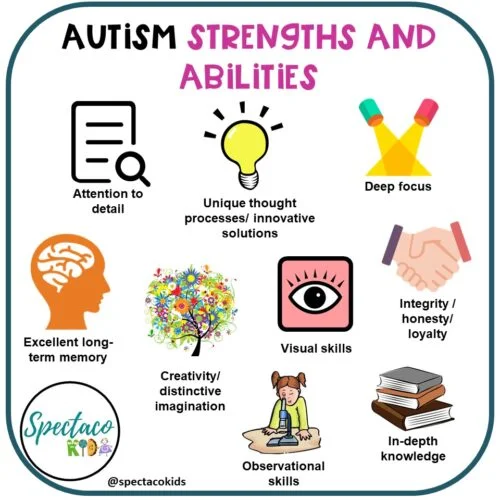
When we as a collective learn to accept autistic behaviors rather than try to change them, we are taking strides in dismantling what it means to behave “normally”. When we understand what autistic people need by listening to them rather than listening to everyone around them, we can create an environment that is accessible for autistic people to safely navigate the world. And when we center autistic strengths rather than continuing to infantilize autistic behaviors, we are reframing autism as a celebratory and lasting aspect of identity, all while acknowledging structural changes that must take place.


Unfortunately even though ABA therapy is done with the best of intentions it can cause a lot of harm to those who receive it. ABA therapy utilizes a lot of mechanisms that are seen in the training of animals like dogs, which is dehumanizing and it also doesn’t seek to understand the reasoning behind the autistic persons decision making, instead opting to simply shut it down. I think you are right, ABA probably does encourage children to feel the need to mask from a young age and make them feel like being themselves is wrong. I would understand if the behaviors being “treated” are things like harm to self or others, but when its just the forced normalization of otherwise harmless neurodivergent traits it can get really problematic
Something a lot of people don’t think about when discussing ABA is how it might be distressing for that child.
To preface, I have ADHD, and a lot of ADHD and autistic people share similar thought processes. And going to ABA therapy sounds very uncomfortable.
First of all, I have to wonder if the parents even explain to their children what is going on. The unknown is distressing.
Second, there is the environment. Everything is different: everything looks different, sounds different, smells different. What if that child does not like some aspect of the environment? Would they be allowed to leave? Would they be allowed to remove themself from an uncomfortable situation, or would they be forced to stay, with no rhyme or reason?
And if this all sounds overdramatic, I remember being young and neurodivergent. I remember going places, and not knowing why I needed to go there. Wanting to leave those places, whether it be that it was too loud or too bright, or that I didn’t like the air temperature or how the air smelled, but not being able to. And those places were places that I needed to be, like a clothes or grocery store. And my mom explained why we needed to be there. I don’t know if kids in ABA get that.
Your point about autistic children being rewarded for behaving “correctly” and suppressing their needs made me think of another thing; stimulation and positive reinforcement is not a reward, it is a need. People can’t live bland lives, that would be torture. People need to be able to engage in fun activities, eat food that tastes good, and the like. And a lot of people need to stim.
So it makes me think that the kids have to teach themselves to suppress their natural behavior in order to be “rewarded” what are essentially vital needs.