
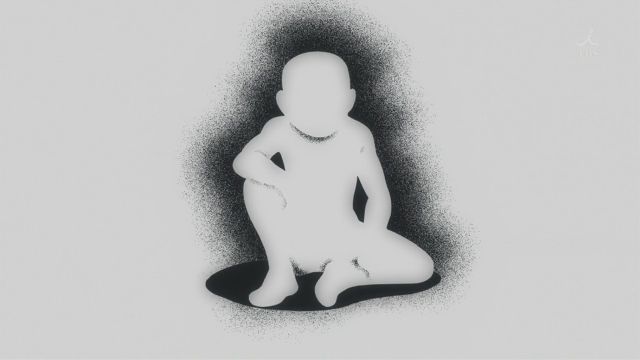
It never clicked that I had a mental illness until way later than it should have, unfortunately. Then when it did I always made excuses for how my actions caused me to function so poorly in life, separating the illness from myself as if they could ever exist separately. Visible and invisible disabilities were never seen as equal in society. One was a valid reason for requiring aid and assistance, the other was a cry for attention or something synonymous with not trying hard enough. When you look at your own behavior through that lens and not for what it really is it diminishes your chances of finding peace in living or happiness. At young ages, we are forced to process our ever-changing minds and chalk it up to normalcy or puberty. But when you develop a mental illness and you lack the resources to properly process or understand the significance that track to disability isn’t as long as it seems. The debate about whether chronic illnesses should be seen and treated like disabilities means that there is a difference in the way the two live their lives. And that legislature will solve the debate, when in reality both parties are already living the same struggle. If the way I live my life isn’t indicative that I’m not behaving like a healthy and abled person then disabled would be the appropriate term. Calling myself disabled when I have all the tools to fix them just out of reach but no motivation to reach for them is an argument that I’ve had way before lecture. And one that I will continue to have after I’ve graduated.


First off, I love the Fullmetal Alchemist reference that you’ve made in a discussion about disability! Not only is the storytelling and world building in that anime so beautiful but it has amazing representation of the disabled experience as we understand it with both Edward and Alphonse. The clear distinction between chronic illness and disability that I can see is that one of them places the brunt of its impact on the individual while the other places it on the society that inherently excludes its inclusion. However, ableism in chronic illness and disability both come from the failure of society to understand and emphasize with differing lived experiences. I emphasize heavily with you on how chronic illnesses, especially ones that are invisible, aren’t nearly as understood as physical disability.