
In the early years of Facebook, 2009 or so, my mom came across a long post that was being shared around by some people who were friends of her friends. The post was essentially an essay about why parents should never let their daughters play princess, because it would teach them to fall into traditional gender roles, think they need a man to save them, and to only value frivolous things like dresses and parties. My mom, having a 5 year old daughter (me) who loved all things princesses, was annoyed by this post and commented on it in disagreement. Her comment was immediately pounced on by a dozen people calling my mom a terrible person for letting me play pretend with princesses, saying that she is part of the problem and upholding the patriarchy, among other things. To these people on Facebook in 2009, allowing little girls to engage in stereotypically feminine behavior was a bad thing.
This is the kind of messaging I would receive for my entire childhood: being interested in “girly” things was bad and being interested in more stereotypically masculine things was better. I know a lot of AFAB people had the opposite experience and were forced into standards of femininity that they didn’t connect with, but that wasn’t my personal experience. I have always been a “girly-girl,” preferring purples and pinks, loving dresses and skirts, and being obsessed with princesses and fairies. From a young age this had made me the odd one out, but by the time I was 9 all the other girls in my class had fully moved away from ballet and Rainbow Magic books in exchange for soccer and Warrior Cats.
In no way am I saying it is bad for girls to like stereotypically masculine things, quite the opposite actually. Everyone should be allowed to enjoy what they want regardless of gender identity. But I do think that the pushback against femininity that I faced was in part an overreaction to previous waves of feminism. I think that in an effort to establish that girls were just as capable of being interested in and doing stereotypically masculine things as boys, it came back around to implying that stereotypically girly things were somehow lesser. I’m still very girly. I still love Disney princesses and Barbie, and I couldn’t care less about sports or superheroes. That’s just who I am.
In the past year or so I have been so excited to see things primarily targeted towards women breach the mainstream through things like The Barbie Movie, Beyonce’s Renaissance Tour, and Taylor Swift’s Eras Tour, and so happy to see other people embrace feminine fashions in public through Cottagecore and Princesscore aesthetics. It makes me feel like maybe society is starting to value femininity as equal to masculinity and androgyny.
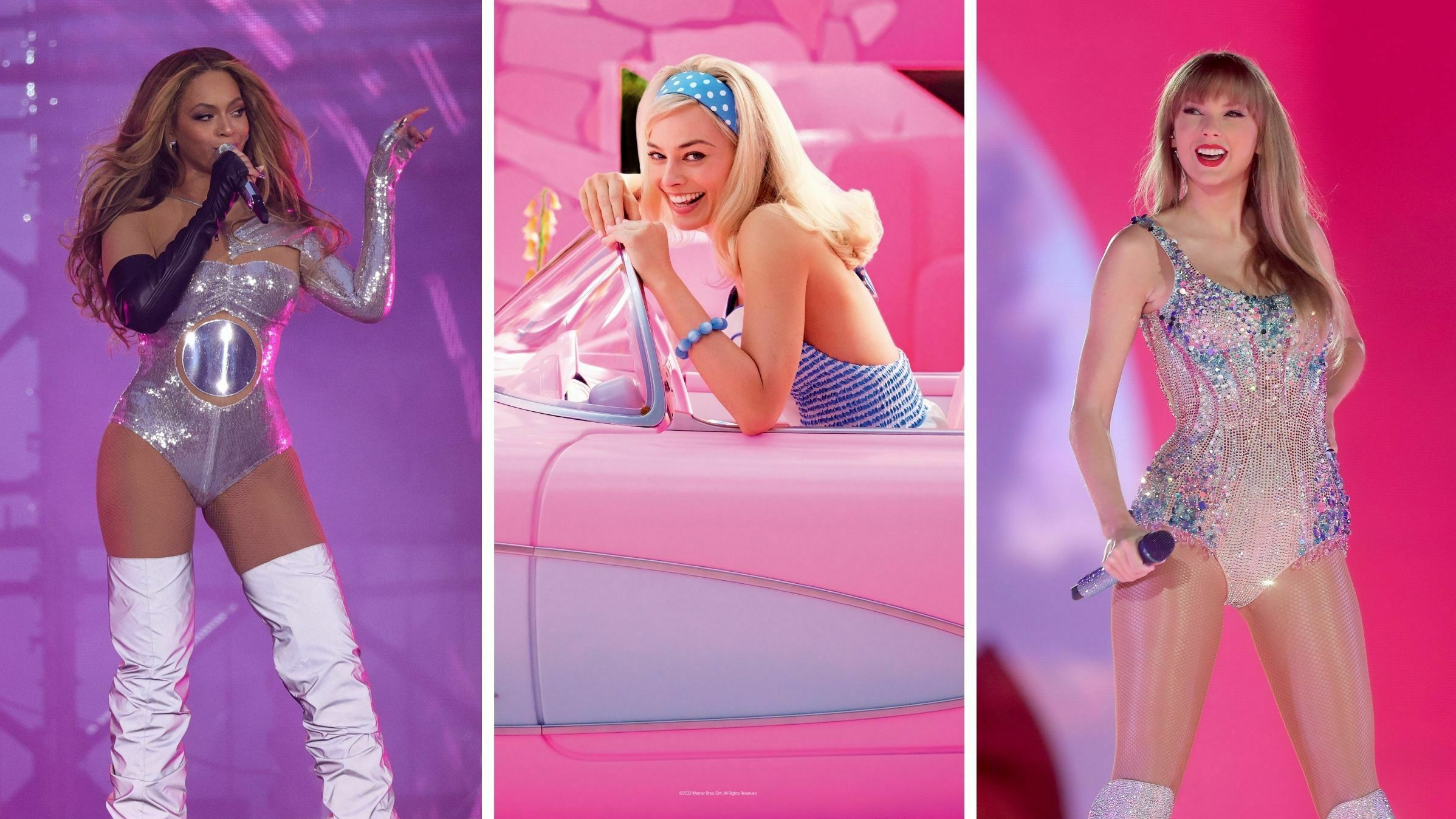


Taylor Swift actually said something about femininity becoming more popular in her Time Person of the Year interview!
“What fuels a patriarchal society? Money, flow of revenue, the economy. So actually, if we’re going to look at this in the most cynical way possible, feminine ideas becoming lucrative means that more female art will get made. It’s extremely heartening.”
Feminine things are fun. I think there’s a lot to be said for the fun, silly (affectionate) things that make people feel good. I think sometimes we accidentally swing too far one way or the other (re: complete rejection of femininity in response to feminism). I, personally, am also glad to see femininity becoming so popular. If anything, it ends up making femininity more accessible. And I’ll never complain about more sparkly things.
Totally agree with everything you wrote! I think a lot about what it would mean to degender any and all aspects of life. But refusing to let little ones be girly is not degendering! It is actually doing SO much gender in a bad way by dictating gender and our expectations. In a degendered world, we would all get to pursue whatever we felt drawn to, whether that be dolls or trucks or puzzles, etc, and it wouldn’t mean anything about our gender, it would just mean we were learning about ourselves and others.
I also grew up as traditionally girly and still am, and to this day I do sometimes feel lesser compared to other girls who like stereotypical “masculine” things like sports and cars. But like you said, being feminine obviously isn’t bad, and it is equal to being masculine or androgynous. It’s just that we are taught (or have learned) that being feminine is bad and being masculine is cool, because being feminine is associated with being a woman who is emotional and dumb, while being masculine is associated with being a man who is powerful and intelligent. And just like you, I still do not care for sports no matter how much I force myself to watch it, and that is perfectly fine with me.
I’m optimistic and excited for the gradual banishment of demonizing femininity, which due to my media studies lens I have mostly observed through film and visual culture. On a recent chick flick binge I realized that in a solid majority of cases, even media marketed and designed with a predominantly female audience in mind will usually feature hyperfeminine aesthetics and characters as antagonistic. I couldn’t be sold on Mean Girls largely because even though the dialogue explicitly identifies both the pink-clad Queen Bee and the subversive grungy alt-girl as the titular mean girls, only the former is physically and socially punished for her behavior because her femininity is used as a visual cue for narcissism and austerity (there’s also like a ton of other issues I have with the movie’s themes but it was decently funny so whatever moving on). Luckily, the pendulum that once gave us more progressive depictions of feminine figures as capable and empowered, not inhibited, by those feminine qualities such as Legally Blonde seems to be swinging back into pop culture with the success of Barbie and its contemporaries, which is exciting.