
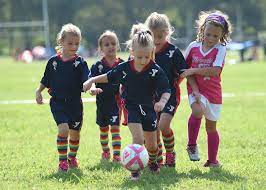
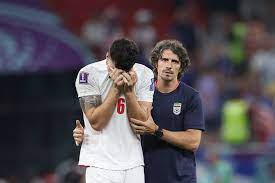
In its simplest form, soccer is a joyful and expressive game, especially for young players between the ages of 6 and 13. Carefree practices marked those early days, when the main objective was to enjoy yourself and the pure joy of playing with friends. The teams were chosen by us, and halftime snacks consisted as much of eating orange slices as taking a breather. When the game moved into the collegiate and professional levels, it changed dramatically. Soccer transformed from a hobby into a career, requiring a level of commitment that was unthinkable in the carefree days of childhood. Turning in phones the night before games and arriving hours before a game were part of the preparation rituals. retaining strict bedtimes. During training, the intensity increased dramatically, and friends turned into rivals as they competed for a desired starting spot. Managers upheld a no-nonsense personality by carrying severe expressions. Coaches had little patience and their window for players to make mistakes narrowed as players advanced to higher levels. The significance of roles and the seriousness of competition gradually stole the shine from the game, which had once been a source of pure joy. On the field, there was less freedom to express yourself and more pressure to live up to high standards. In this journey from youth soccer to profession, soccer underwent a change, leaving behind the joy of youth in exchange for the demands and pressures of the elite levels, ultimately transforming the beloved game into a serious business.
I remember in class we talked about how at some point when we love something I think someone mentioned dance and how they started to hate it because it became much more serious than dancing. So I thought of this because when I played, I just remember how serious the game became the higher the level. My coach would stop the entire session during a drill if you made a mistake. He would say things like “Immaturity you’re 20 years old making mistakes my youth team makes. USE YOUR BRAIN AND PLAY!” it would get to the point where you would doubt your own skills. But off the field he was calm and cool. I know it’s constructive criticism, but sometimes it would get so serious you ask yourself “how is this fun?” Overall I just think sometimes people never understand how sports become the older you get. Theres no longer any fun, it’s a business and competition.


I’ve never been a fan of competition. When my parents threw me into soccer, even at the teeny age of 7, I didn’t like how people made nasty comments and cared so much about winning. I preferred hobbies that were much more about personal fulfillment, not tearing others down. Even doing sporty games with friends throughout school for fun wasn’t fun for me. I saw my friends all the sudden turn nasty. I got picked last every time because I didn’t have that spirited fierceness. How is this fun? I also asked myself that a lot. I did dance a lot growing up and at one point, all the fun of twirling around the room was gone. It was strict diets and no talking allowed. It sucks how the escapes we get can turn into the very thing we’re trying to escape. I, too, miss the simplicity of the orange slices and running around.
I relate, this is exactly why I hate competition in general.
In concept it sounds fun, because everyone’s supposed to be doing something that they enjoy, but the problem is that for most competitions, the goal isn’t to have fun, it’s just to win. For me it’s reaching the point where, now that I’m in college, I’m afraid to do any activities with clubs since there’s always a competition aspect to it. I also think that it’s not even that people want to win things, they just don’t want to lose. And I can’t deal with the fear of losing; in the past, losing meant that teammates would ridicule me.
Honestly competition’s don’t even seem to have any benefits. Sure, someone wins, but then what? As you said, how is it fun? How can anyone have fun if the only thing they’re thinking of is how they can’t lose?
It sucks that people just can’t enjoy hobbies anymore.