
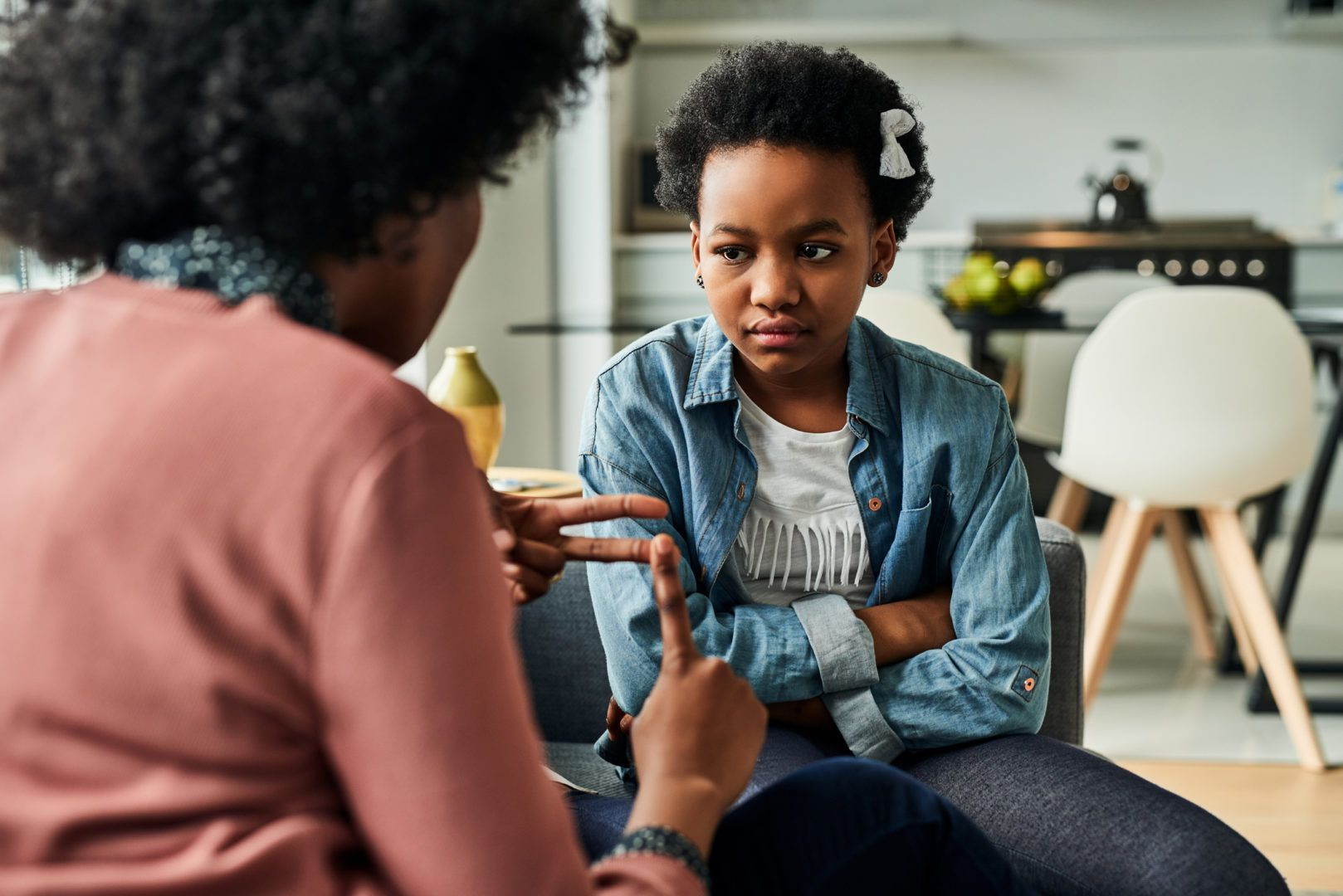
For as long as I can remember the way my siblings were raised was never. Aspects of parenting displayed by my parents often never reached her because she was a girl. For a time this worked in her favor, no heavy labor, fewer responsibilities, and discipline were all things that we as siblings saw as normal. As they mirrored the society that we would soon step into, I was naive to think that the differences between men and women within our household would always be pleasant or necessary. When my sister got older she would begin to grow tall very quickly. Shocked, my parents decided she needed to eat less to stop her from growing. The cycle of body shaming started in her at such an early age I was unaware of the repercussions associated with this until I got older. Even more so when we discussed weight and its role in society and black women in particular. My sister was always an active person despite her weight and height. Se played 3 sports all throughout high school and continued on club teams after graduation. Despite her best efforts, our parents would restrict her food intake and when questioned by my sister my parents would say “You’re not like your brothers”. The stress associated with an early cycle of body shaming is associated with what we know about black women in society my sister is already at a mental disadvantage when trying to regulate herself. At a young age, I watched her struggle with self-love, identity issues, self-worth, and many other social concepts that she should not have had to entertain. As a brother, I was ignorant of what the effects really were because as a man I chalked it up to independent struggles, not a systemic issue. Her frustration with her body and its treatment is felt by many young black women as a way to ease them into patriarchal values.


I really appreciate you shedding light on this issue. As an older sister with a younger teenage brother, it feels really relieving to hear that you are aware of the struggles your sister and many other WOC face in our families and in society. The key to making large-scale change starts with our conversations at home. We must challenge the idea of having a particular body type, especially for women, who are more often made to conform to a certain beauty standard. I hope more people are willing to learn and have conversations about the harms of body shaming in our communities.
This makes me so incredibly sad for your sister. I’m sure you have had your own issues dealing with parents that divide gender roles so harshly, but as a woman, my heart aches for her. The way women, black women especially, are expected to act and look are put onto them at a very young age. What should have been a safe space for her turned out to be the root of self-esteem issues. Although you didn’t realize it until you were older, acknowledging the issue is a step in the right direction to break the cycle. Thanks for sharing this story.
Growing up with brothers and being the only girl, this was definitely something that I was faced with. I really like how you analyzed how self esteem, self-love, and identity issues at a young age for women can be created. It wasn’t until I got older and started working on my self esteem, etc. that I realized some of the issues I was having were rooted in how I was treated as a young girl by my parents, because I was a girl. Having your body under scrutiny at such a young age is bound to have its affects, I mean it has its affects even when you’re older. Like someone else mentioned under this post, I think it is very important for girl, especially black girls, to have a safe space free of the pressure to look a certain way.