
Trigger warnings: mental illness, SA
My disability, as I’ve been told by my parents during some of the hardest years of my life, is all in my head. The accumulated and compounded effects of strife in my life that eventually developed into a deep, dark depression- it’s not physically tangible, so how could it have been real?
I have a unique relationship with my disability. The one that I grapple with the most is one that is acquired, not inherited or born into. I have post-traumatic stress disorder, and I am not a war veteran. I am a sexual assault survivor. My disability was acquired through experiencing trauma and then experiencing the more deeply horrific experience of utter social isolation, lack of support, and lack of real mental health resources for someone of my age, specific trauma, and cultural background. I was diagnosed when I was 13, before I realized I have ADHD, depression, and GAD. Most of those are co-morbid.
My relationship with my disability was very much through the lens of the medical model- something is wrong with me, it is my problem to fix, and in the mean time, *some* institutions and people may be willing to accomodate my different needs despite the burden that it is (that I am), but ultimately the onus of responsibility for my disability, for my neurodivergence and its physiological consequences, is on me.
I realized much more recently that this may not be true. This semester, it was reiterated to me in the form of Tom Shakespeare’s reading about the social model of disability. // In our view, it is society which disables […] impaired people. Disability is something imposed on top of our impairments,
by the way we are unnecessarily isolated and excluded from full participation in society. (p. 215)//
I don’t agree with every aspect of this reading, such as how mental disabilities are not acknowledged by the founders/ creaters of the social model. But I do resonate with this new way of thinking- that the structures we live within are not inclusive to all people that live within them. This leads some people to struggle much more than others to get through their days.
I only started truly believing recently that I deserve the accomodations I have. Not because I didn’t believe that I was disabled, but because I saw them as a privilege. But I see it differently now. Not everyone has to deal with what I deal with every day. That doesn’t make them better than me or more normal than me, but it means that their phenomenological experience of this world is not the same. Nobody gets to tell me that my disability isn’t valid when they have never walked in my shoes. Nobody gets to tell me to suck it up and find a way to make it through when I see how so many people are able to do with ease, the things that I struggle and toil to do.
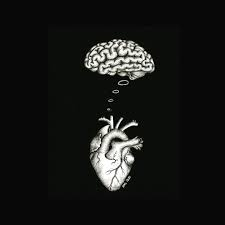
Also, yes, my disability is all in my head, in a literal sense. But that doesn’t mean it’s not real.


I’m sorry you are going through this and I sincerely sympathize with you. I also grew up in a household where my parents diminished my feelings and did not believe that mental illness are real illnesses or disorders.
What I find so funny now though, is that I’m a psychology major, studying children with mental disorders and how mental illnesses affect human development. I’ve taken neuro classes in the past just incase a conversation was brought up I could prove my point. It’s just sad because even still when I explain things to my parents they just think it’s bs. Which is crazy because both of my parents have been diagnosed with a few mental illnesses themselves and we have many other family members who have or had mental illnesses also.
But, for you just know you’re not alone and if you ever need to trauma dump or just need a listening ear to get the weight off your chest or the thought out your mind, I would love to listen and support you in anyway you need!
Hello, thank you for sharing your story. I feel really seen by it. You are so strong and what can’t be seen is absolutely real. I’ve struggled with depression my whole life that has really taken over how I view the world. It feels so scary to be different or think that there is something fundamentally different that isolates me from others. It takes a lot of courage to believe yourself and your own feelings while society actively tells you that there’s something wrong with you. Invalidity of my identity and mental health has damaged my self perception greatly and I’m still coming to terms with it. Thank you for being so vulnerable with your experience, it truly resonates with me and others. We really are all in this together.