
Picture dancers behind a pop star at a concert, they are moving as one. They have matching outfits, hair styles, and builds. Different images of them may conjure given the minds of each individual, especially given their identity. From a more dominant Western perspective, one may think of people who are relatively skinny, muscular, and occasionally of different body types. There may be a semblance of diversity scattered through the row of dancers, but this can be infrequent depending on where you look. This is a pattern that shows up at concerts or more generally, stage performances. This isn’t a criticism on a singular performer or production but rather a reflection of the music industry and what dance as an art form and how it has taught people what to define as a “good” dancer. Dance fundamentally treats symmetry, synchronicity, and sometimes looking identical while dancing in tandem as the way to achieve “true” performance. This belief doesn’t appear from out of nowhere. Dance in classical forms awards a limited body ideal and the industry just keeps rebuilding it.
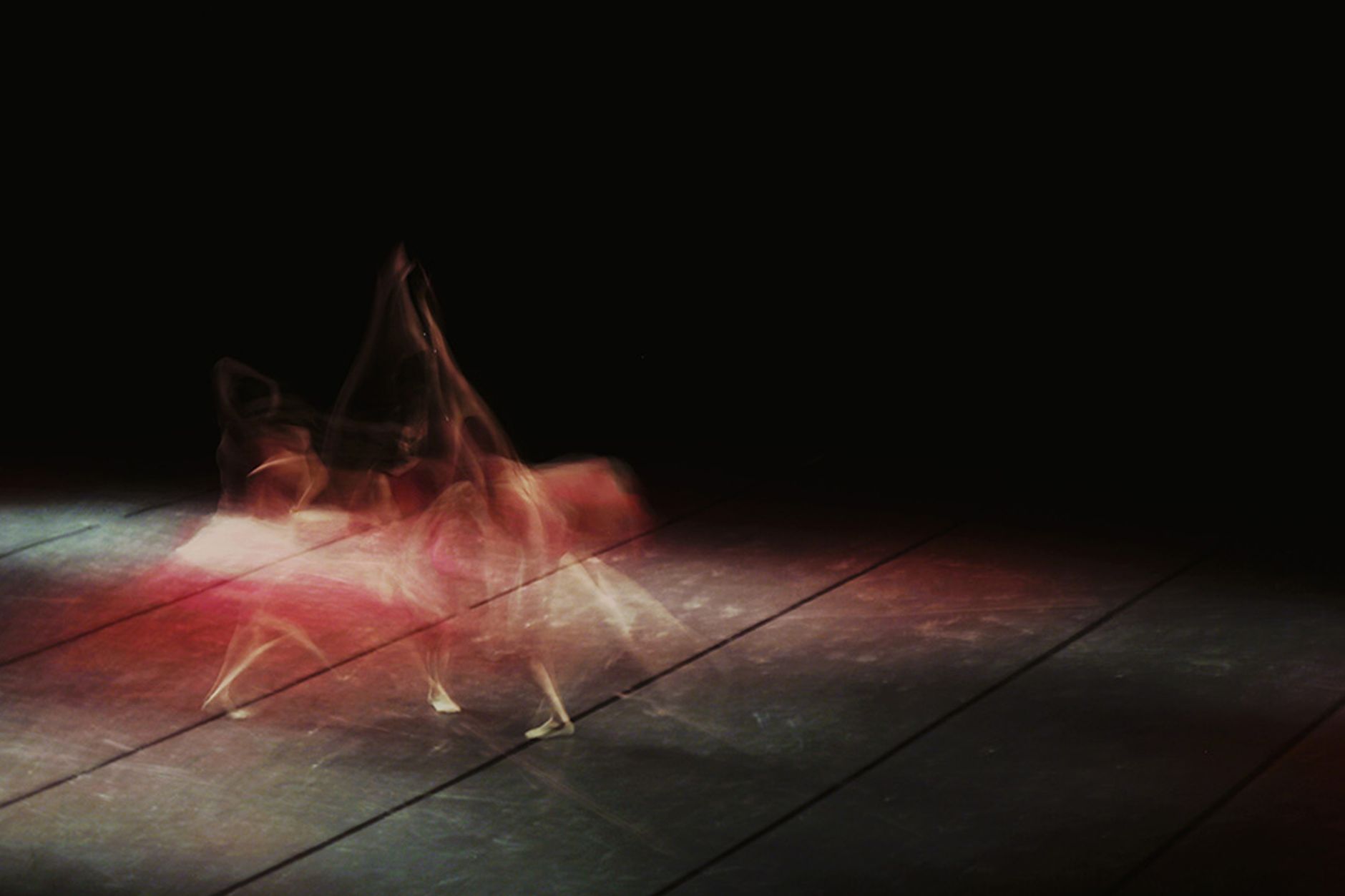
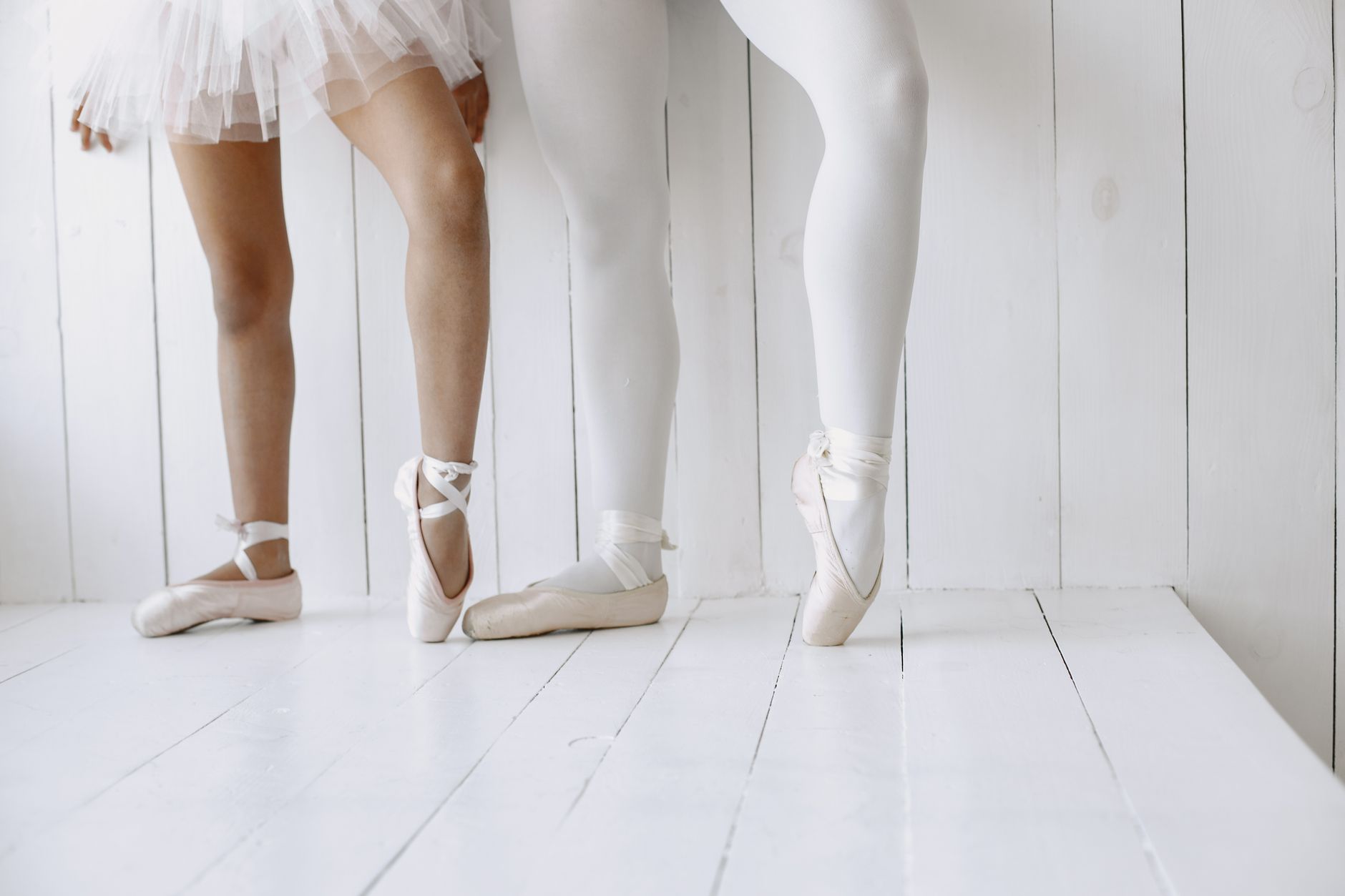
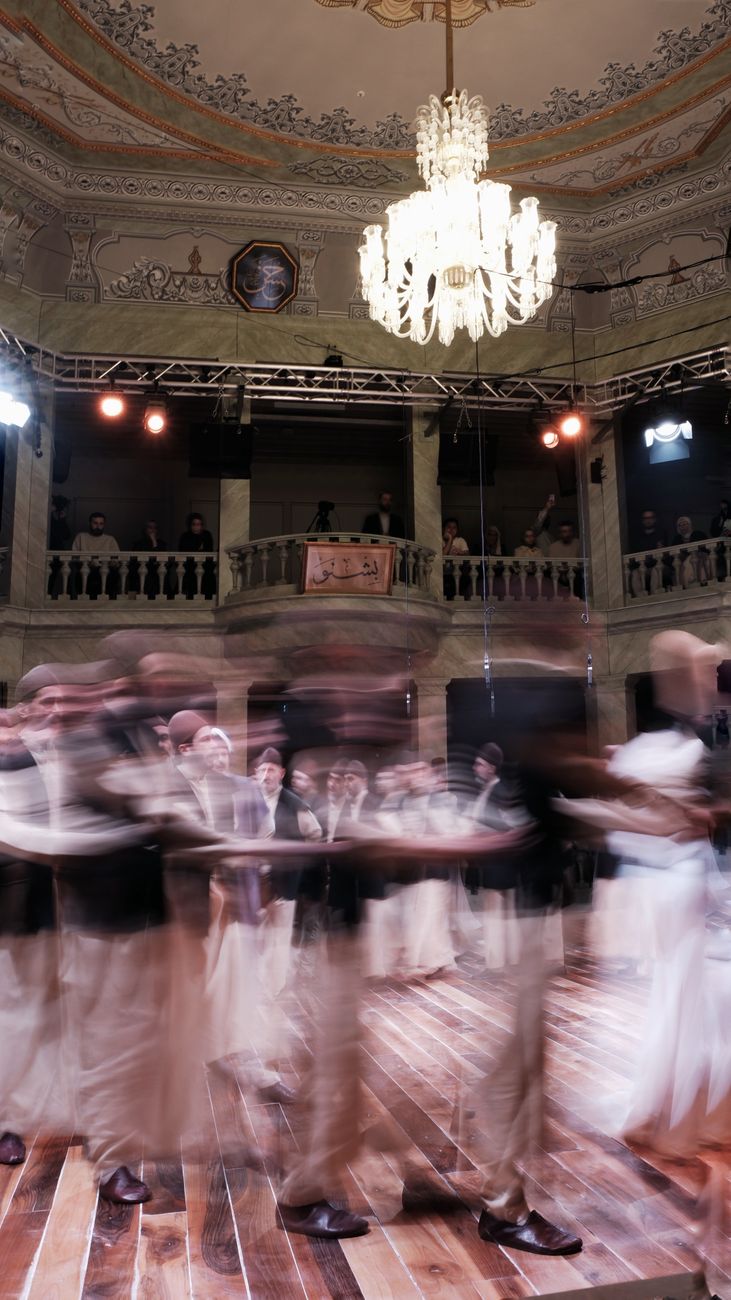
Backup dancers exist in the background to highlight and support the main performance. There’s significance in a viewer’s eyes being inadvertently drawn to background dancers. They are like background characters in a film. They reflect the world built around main characters or the lead. If everybody in the background is a part of the story being told, then a background made up of identical bodies indirectly tells a story about whose bodies belong on a stage at all. It’s easy to see this in a neutral lens, but this sort of decision does happen before anyone steps on stage, before casting even. This decision making can show up in how the roles are divided. The often lighter, skinnier dancers perform the elaborate moves while the stronger dancers lift them into the air and twirl them around. You can tie this back to the fundamental idea of helping people that was discussed during the video with Judith Butler and Sunaura Taylor. There is a lack of questioning of who gets left on the ground and who does the carrying. The one that gets to be lifted into the air is the spectacle, while the others are there to hold it up. It’s already decided who gets to be “useful” even before anyone can step on stage.
So, propose this. What if you put someone of a different size surrounded by thinner bodies in a dance lineup? People then react as if there’s a disruption to the synchronicity when a dancer is wider, shorter, taller, so now they are under more surveillance. So, the “easier” route is to be unaccommodating. It’s “easier” to fall back on the simplicity of casting skinnier, lighter dancers. There’s nothing to mourn if the dancers of other body types lose the opportunity before they got to audition, audiences don’t get to see what choreography would have looked like on a different body. They are relying on notions that it would be so difficult to fathom in the first place so it’s “easier” to not attempt it at all. The reasoning for larger body scrutiny often gets re-scripted. First, it’s about fitness, then technique, or uniformity. But fitness comes in all forms. But that standard has less to do with ability or skill and more with a narrow image of what dancer is supposed to look like. Even praise, intentional or unintentional, can show these biases. Sometimes, plus-size dancers are complemented when they prove they can do everything thin bodies can, which then frames thin bodies as the baseline. This can feel demeaning. You could even take this a step further by viewing this through a phenomenological lens. Because we as onlookers, look at dance as entertainment from the outside while dance feels on the inside as it’s being performed.
This idea, like many other societally constructed norms, has the ability to exist in plain sight as well as it being able to exist in many formats, which is why it may get overlooked. This topic doesn’t have a direct answer and it’s more so inference to ponder when presented the chance. There is this idea that certain art forms like dance can exist fluidly, yet it constantly pumps out restrictions on what “counts” as art and what bodies can exist within it. It’s this constant contradiction that demands that people change to fit the form rather than the inclusion of others. While this has had some improvement over the years, that shouldn’t diminish the idea that there’s still many boundaries that need to be pushed through to allow for more individuals with various bodies.
On a side note
I am not a professional dance nor do I have extensive on hands experience outside of brief ballet and modern dance from when I was younger. However, this is an issue I’ve been wanted to tackle for some time and I felt inclined because of a concert I recently went to. So please take everything with a grain of salt. While it’s not a new concept to some that dance can function as a perfectionist restrictive art form. I do want to try my best to use the privilege I have of being able to recognize something like this and attempt to draw significance to a topic that may seem “mundane”. There are also intersecting factors that should be noted. For example, I believe that this issue can be attributed to the adaptations and attention people give to older often white art mediums that involve dance.


I really liked how you connected backup dancers to the idea of which bodies society considers acceptable or desirable. I never considered how dancers roles can reflect biases about ability and body. I also agree that praising plus size dancers for doing the same things as thinner dancer is reinforcing the idea that thinner bodies are the standard. Entertainment can definitely reflect bigger societal expectations about bodies.
This is such an interesting perspective, and a new one for me! As someone who only did dance as a couple of classes in middle school, I have an only surface-level knowledge of dance and its conventions, but I am aware of how extreme the ideals are. It was a blind spot for me, honestly, even though I’m deep into film and other media in which casting is a norm so I am aware of the phenomenon of a heightened if not hostile reaction to an “unconventional” casting choice. It interrupts the “expected”, for better and for worse. And because most people prefer to play it safe and make the most money, such “risks” (wow, casting a fat person, so controversial) are not taken and instead people who do not fit the standard conventions are at best sidelined and at worse completely shut out.
I really like this post! It brings into the forefront what is presented to us and how it reinforces or own thoughts and biases. So much of our society is ingrained in the hatred and ostracization of fat people so much so to simply describe someone as fat has a negative connotation. In society’s eyes to be pretty, to be fit, and in this case, to be a dancer is to be thin. Fat dancers lose opportunities and are never presented with chances. Fat dancers are always compared to thin ones. They’re sidelined and never seen as good enough. In turn, they are not hired so people with different bodies are not showcased, furthering reinforcing those beliefs.