
Horror does have a favorable image, especially with slasher films. There is a notable infatuation that some people have with violence in fiction that has no inherent reasoning. It can boil down to a few tropes, but one to focus on is the “damsel in distress.” This can typically be depicted as a woman who waits while she is being hunted, cornered, and frightened by whoever or whatever is doing said action. The damsel in distress is often treated as a relic, but it still continues to be used in the horror genre. This can be through films, TV shows, video games, etc. This trope can tie women’s bodies to helplessness, while the genre gives men competence, instinct, and the benefit of the doubt. One film called The Strangers (2008) demonstrates this somewhat bluntly in how it handles the two leads and in who gets to be capable and who gets to be understood narratively.
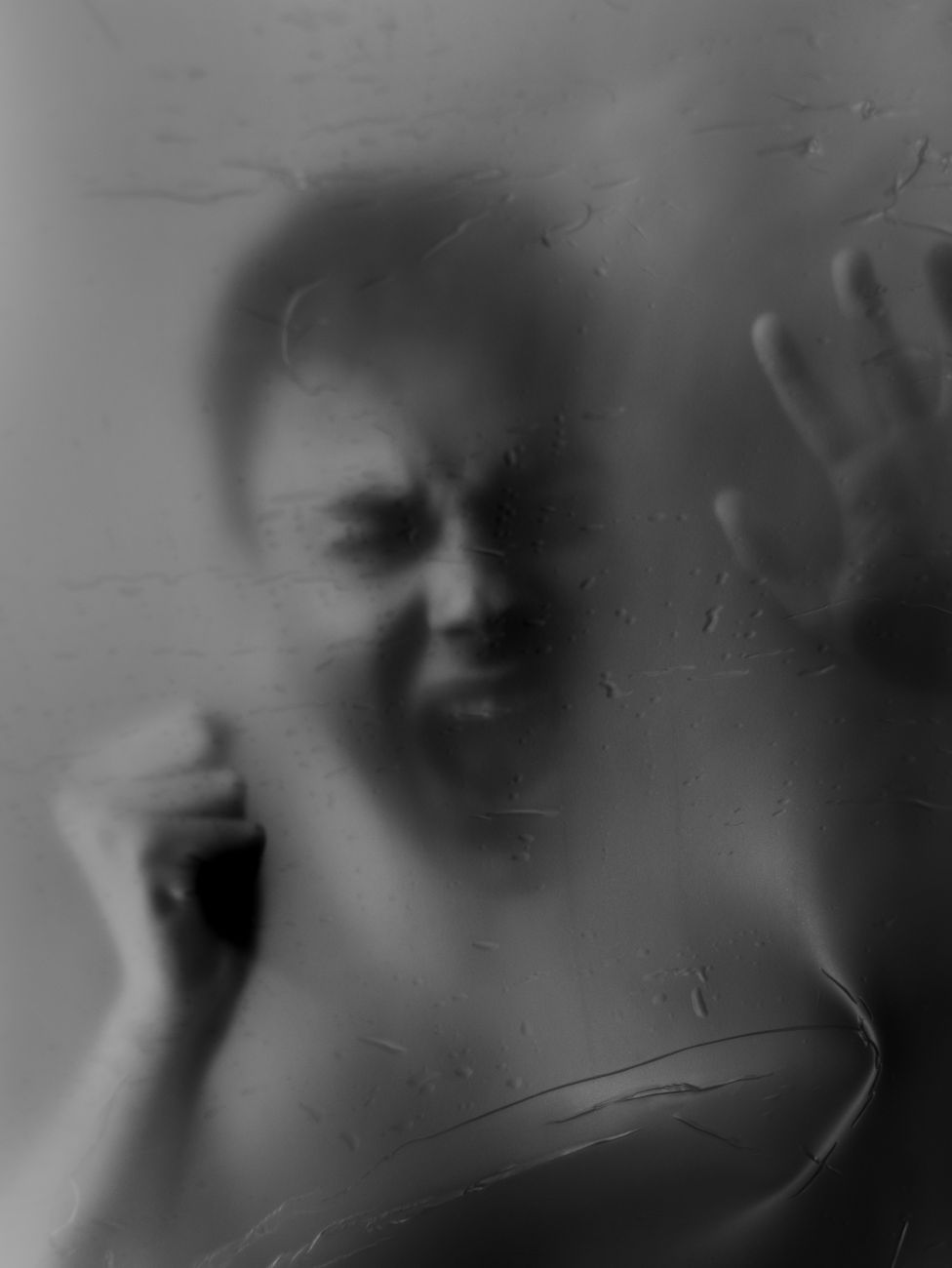
The film opens up with a melancholic mood. The audience is introduced to our two main characters, Kristien and James, who have just come from a friend’s wedding reception to spend the night at James’s family vacation home. Kristen had just turned down James’s proposal. The mood is sour in the house, and later on, James leaves to go buy cigarettes. This is when three masked strangers start stalking around the property and eventually make it inside and start psychologically torturing Kristen while James is away. For reference, they are in her home, creeping behind her silently and disappearing before she can turn around. This is a film that is reliant on building tension through paranoia. Throughout the film, Kristen tries to defend herself, she picks up a kitchen knife and drops it, overcome by terror. That reaction is justifiable, however, it’s the question of what the film does with it.
When James eventually returns, finds Kristen terrified and her telling him how there were people in the house. James says that it must be her imagination. But when he finally sees one of them outside, he then starts to take action. He decides to first go to his car to grab his cellphone, he finds it ransacked, the phone stolen, and the tires slashed. This eventually leads to him going to look for his father’s shotgun, and later on in the film remembering there’s a radio transmitter in their barn to call for help. The same house, danger, and lack of training produce a woman who freezes and a man who arms himself.
Some could argue that helplessness is the point. The horror of the movie is that nothing the victims do matters, and James’s competence doesn’t save him either. James accidentally shot and killed his best friend Mike by accident, who had arrived to pick him up after Kristen rejected him. It’s framed as a sad moment, poor James is rejected by his girlfriend, kills his best friend, and is being terrorized by strangers. In contrast, Kristen in the film gets fewer sympathetic scenes and is depicted almost as if she is in the wrong for rejecting James. The movie concludes with both of them captured by the killers and tied to chairs. They turn to each other, and Kristen is the one to say, “I love you”. The camera then cuts briefly to Kristen wearing the wedding ring she had previously refused. James is then stabbed to death, she’s hysterical, screaming, and then stabbed along with him. The film ends with James’s dead body and Kristen, caked in blood, barely living, being found the next day by two young boys. Now, what is the purpose of this example?
The answer lies in the distinction of how their bodies are treated. Bodies like Kristen’s are the site of the story, and the audience’s fear is attached to their vulnerability. The audience is supposed to feel Kristen’s fear and paranoia as she ducks and hides in a pantry while the killers hunt her down. Bodies like James’s are instruments for fighting and protecting. James is the one who goes looking for the shotgun, and he is the one who remembers the radio transmitter in the barn and heads outside to try to call for help, while Kristen is left to wait. Even when Kristen does act, running to the barn after hearing a gunshot and finding the radio herself, the film immediately takes it away from her, as one of the killers smashes it with an axe. She then trips in a ditch when fleeing. James’s failures, on the other hand, are given weight and sympathy. He can’t even say how to load the gun, yet he is framed as a man devastated by a terrible mistake after he accidentally kills Mike, while Kristen’s fear is never framed as anything but spectacle. If the roles had been reversed and Kristen had been the one to go out for cigarettes, this genre’s long habit of punishing women who wander off suggests she may have been the first to die. Would it have been so bizarre if it had been Kristen who went for the shotgun and James was ducking and cowering behind her while she held it? Even the ending reinforces this divide because the film decides to give Kristen the ring she refused rather than the autonomy to leave the situation. So the only choice that survives is the one made on her behalf. While both characters should have the opportunities to be afraid and to be skilled, it can feel blatantly in favor of the male protagonist when convenient.
This trope is not neutral. Misogyny plays a role in how it’s formed, but it’s also important to recognize the white, able-bodied, “damsel” that Western horror film pushes. There’s that stereotype that Black characters are always the ones to die first. This in itself has an extensive history of the disposure of Black bodies in horror. It is the wave of ignorance that comes with the utilization of how Black bodies are constructed in film. This isn’t to discredit the advancements that have been made in confronting being the “sacrificial lamb” in white horror. But there is a theme with the movies, and the forefront of these progressions can be seen through Black-centered filmmaking. It’s all about portrayal, this can even be applicable to who is the antagonist in these stories. Disability and queerness are often seen synonymously with “evil” and “contempt” in this sort of filmmaking. This is what it can intrinsically mean to be a “damsel” where the “default” hero can achieve full personhood or autonomy while others are to be rescued, feared, and or sacrificed to push the narrative. A narrative. Survival in these pieces of media hinges on messaging, or rather, what it means to die. So what does the accumulation of deaths in these films signify?
As a side note, I am aware of the “final girl” trope as well, and even the traits that a woman adopts to confront the antagonist are interesting. She exhibits purer traits, not indulging in things like sex, drugs, etc., which is often what condemns people, often minorities, especially women, as “deserving” of death in these films. Not to mention the different standards that women are held to when they make a mistake, like tripping on nothing while running from a killer.

