Ways to support Mental Health

Why mental health is important - Alivio Medical Center

Mental health refers to a person’s overall psychological well-being, including their social, emotional, and cognitive functioning. Good mental health is essential for living a happy, healthy, and fulfilling life. It allows us to cope with the challenges of daily life, work productively, and make meaningful contributions to our communities.

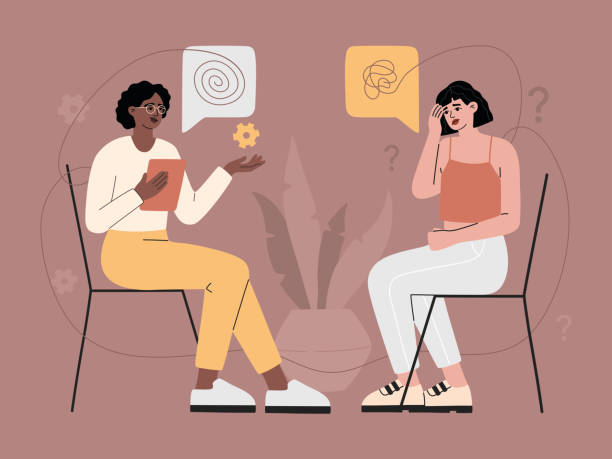
There are many different ways to support and improve mental health. One important aspect is seeking professional help when needed. This can include seeing a therapist or counselor, or in some cases, taking medication prescribed by a doctor. Therapy can be a great way to address mental health issues, as it provides a safe and supportive space for individuals to explore their thoughts and feelings and learn coping strategies.

Another important aspect of supporting mental health is creating a supportive and understanding environment. This can involve educating oneself and others about mental health, addressing stigma and discrimination, and creating a culture of openness and acceptance. It can also involve providing physical accommodations and support, such as flexible work schedules or mental health resources, to ensure that individuals have the resources they need to thrive.

In addition to seeking professional help, there are also many self-care practices that can support mental health. These can include getting enough sleep, exercising regularly, eating a healthy diet, and practicing relaxation techniques such as meditation or deep breathing. It can also be helpful to engage in activities that bring joy and meaning, such as hobbies or volunteering.

In conclusion, mental health is a critical aspect of overall well-being and is essential for living a fulfilling and meaningful life. By seeking professional help when needed, practicing self-care, and creating a supportive environment, we can all work towards improving our mental health and the mental health of those around us.

Is Eating Disorder Worthy of Care?

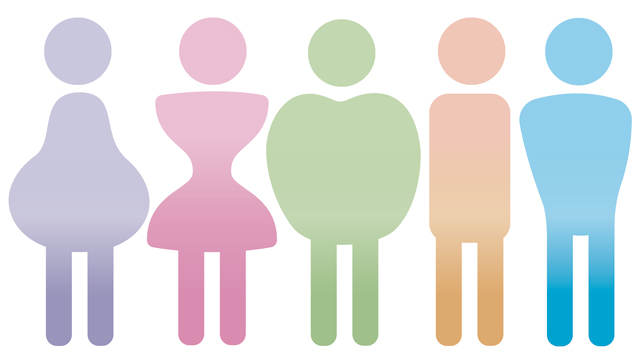
Eating Disorder is one of the most common forms of disabilities affecting people around the world. People don’t normally tend to think eating disorder is a type of “disability”. This may make others end up thinking that eating disorder is an extreme diet, a phase, or a personal choice. Eating disorder is a serious cognitive impairment influenced by psychological, biological, and social factors that affects all body types, gender, and races. People should be more aware that eating disorder is a complex brain-based illness that can lead into more severe health problems.

People get affected biologically from genetics, dieting, and puberty. Recent studies have shown that eating disorders may be hereditary, and the individuals who have a family member with eating disorder are more likely to develop one as well.

Anxiety, depression, trauma, and stressors may cause someone to get eating disorder psychologically. It is a sad irony that the person who develops an eating disorder start with a diet because they believe that weight loss can lead them to improve self-esteem, and gain more confidence. The reality is that continuously binge eating or under-eating can cause the individual to feel out-of-control, self-doubt and gain the feeling of “I don’t fit anywhere.”

Eating disorders bring suffering not only to the people who have them, but also their friends and families. Friendships and romantic relationships can be damaged or destroyed. People with eating disorders may become more emotional and withdrawn. If the person is an athlete, the coach will be worried about their health.

If eating disorders are not stopped, it can cause physical damage and even death. Kidney damage, liver damage, destruction of teeth, and menstrual cycle, (etc.) are all type of medical risks of eating disorders.

Many people with these disorders wonder if they are “sick enough” for care and treatment, but they should know that ALL eating disorders are worthy of care.

Emotional Labor in the Workplace

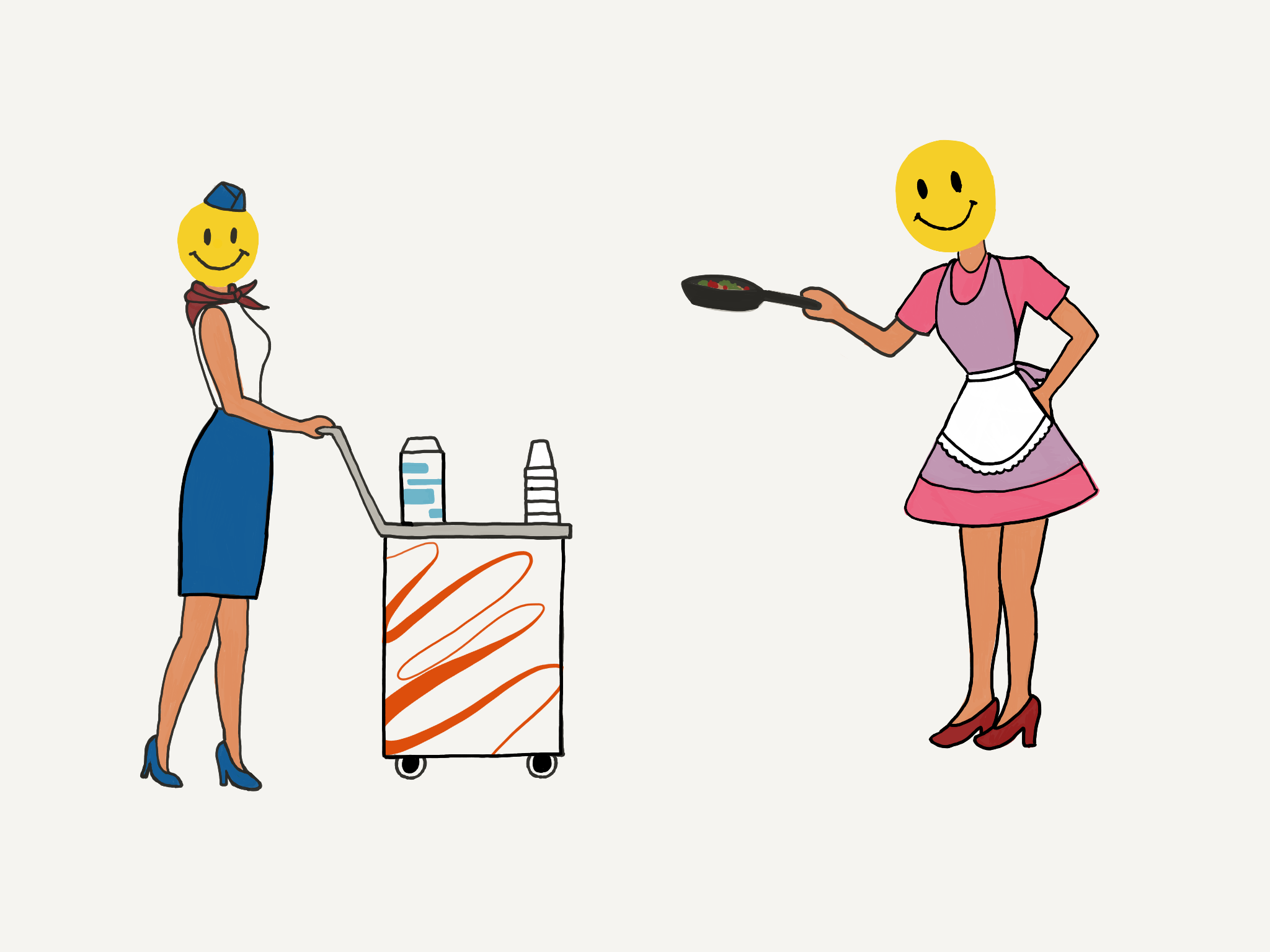
Emotional labor requires managing emotional expressions as part of one’s job. This includes evoking feelings or suppressing them too. A great example would be a flight attendant who gets paid to suppress negative emotions on the job, and instead evoke respectful, positive feelings to all passengers regardless of the situation. Flight attendants are expected to understand that this is part of their job, and they are getting paid to do so, therefore it is emotional labor.

Over the past few years, researchers have studied the people who are responsible for emotional labor in workplaces. Studies have found that emotional expectations in workplaces are extremely gender biased. In general, women are given the role of emotional caretakers while men are rarely criticized for expressing their feelings however and whenever. In an article published by Saint Catherine University, a list is provided of what women are expected to do in the workplace. The list is as follows:

  • Not be too assertive or threatening in meetings
  • Possess innate skills in dealing with difficult clients or co-workers
  • Offer emotional support to subordinates
  • Automatically know how to address gender-related problems in the workplace.

These assumptions and demands are ridiculous for women, or any laborer to follow, especially at times when work can become frustrating. Some consequences from obeying these demands are decreased cognitive energy, fatigue, and reduced worker’s output. There can also be long term effects such as insomnia, loss of memory, and hypertension.

This issue needs to be appropriately addressed in many workplaces, especially ones that put more of the pressure on women. Some steps workplaces can take to change include, but not limited to, showing more appreciation to workers emotional efforts, provide training for all workers to practice ways to deal with emotional conflicts, and offer adequate break times for emotional recovery. Not only will this improve individuals’ mental well-being, but it will also enhance the overall work environment by creating a comfortable, positive atmosphere.

Body Image

Everyone has different body images and their own definitions of body image. To me body image is my own opinions about my appearance. We all have our own body and we are the one controlling them to how they look like.

People tend to have stereotypes for body images. Some people think that women should be skinny, have long hair, wear heels, and have hourglass body figure; As for men, they should be muscular, tall, and have short hair. A lot of people are likely to get judged on their body image by their gender and race. Some of Asian’s beauty standards expect people to have slim figure, double eyelids, pale skin and melon-seed-like face shape.

Body image judgment has been causing health concerns to people, both mentally and physically. People get depressed and think they look bad because other people judged them on how they look. Some people may develop eating disorders from other people’s opinions. Just because you’re a little chubbier than other people doesn’t make you a bad person or anything. I hate how some parents be telling their kids that they should lose weight because they are fat. Like it’s your own child and you are hurting their feelings by calling them fat. We have full control of how our bodies look like.

I personally love food and I don’t workout at all. My mom would tell me to exercise more. I do agree with her because I do feel weak sometimes like when my back starts hurting from carrying my backpack around for a long time and my legs being sore after walking. But I still haven’t start exercising yet because I am also a lazy person. I don’t really care about what others think about my body image because I know humans are not perfect and there’s always some flaws about our bodies. I wish people will stop judging other people’s body and stop body shaming. Your body image is how YOU think and feel about YOUR body, NOT how others think about it. Be more confident about your body!