
My discovery of music

Up until my early high school years, I was not really much of a music person, which some people might consider weird. I was at the lowest point of my life during my high school days, I was depressed. I needed a way to relieve my depression. I struggled to find someone I could talk to. I never tried leaning towards my parents because they always expected me to shake away my emotions. I eventually talked to one of my friends and I was recommended music. As I listened to the, I deeply resonated with the lyrics of the song that I shed tears. It was the first time in my life I thought music had meaning to me on a deeper level. It opened up a new realm of music for me. I then decided to get Spotify and explore everything it had to offer. I started customizing my playlist which consists of my favorite songs and even now, it is still getting updated! I immersed myself to different artists and songs and developed a love towards them and their music. I’m glad I was able to find myself and grow to love music as a whole.

Ever since I found a meaning to music in my life, I listened to it more often, especially when I am studying, working out, or when I’m feeling down. Music had certainly impacted my life positively. I started learning to play the piano and guitar. Whenever I want a space of peace and mind, I play the guitar in my room, as it was a place where I can disregard all my negative emotions and thoughts. Sometimes you just need to have your personal space and really detox yourself.

I can’t imagine not being exposed to the vast variety of music. I probably can’t go a day without it now, and that isn’t an exaggeration! It will forever and always remain in a special place in my heart.
Constant Stress about Weight

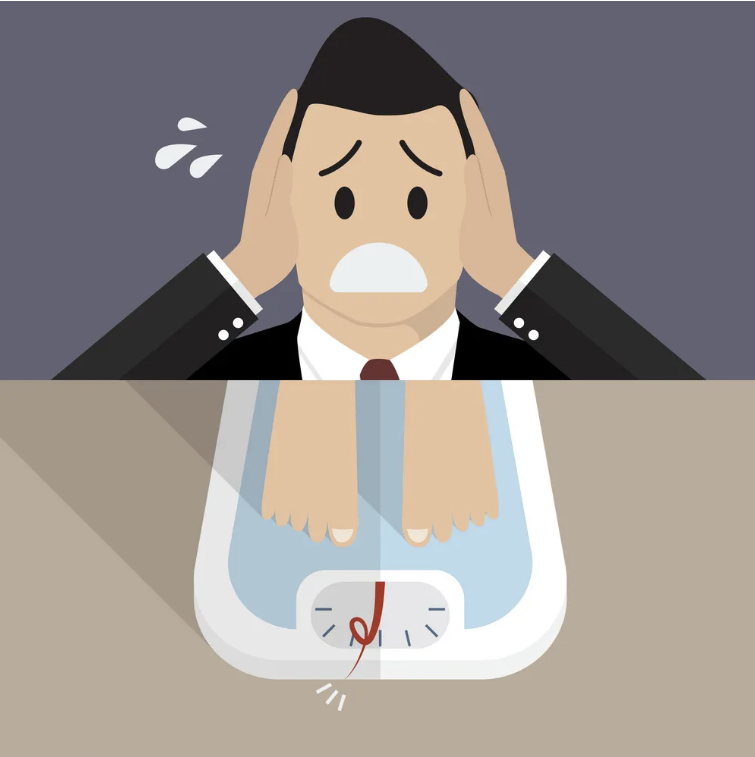
Have you ever felt embarrassed about how your body looks? Have you felt uncomfortable around in public, or even around family? How many times have you reminded yourself to “lose weight”? Are you tired of the fat shame you keep on getting? I am sure you would want to get rid of the excess weight, but staying consistent is hard for some people.

I started feeling insecure about my weight during my middle school years. I did not look like my other peers in terms of physique, and I would get called out for it. The emotions I had were not great to say the least, and it left me feeling ashamed of myself. Having to go to school five days a week under these conditions really shattered my self-esteem. I constantly felt like I was alone in class, as I was certainly isolated from the rest of the kids. I had no one to talk to because I was unable to make friends during that time. With the shame I carried, I even avoided speaking to my parents and teachers regarding the situation I was in. Honestly it was hard for me.

Being overweight and having to deal with body shaming scarred my mental health and well-being. I had a phase where I refused to take proper care of myself, which consisted of me eating less calories than the norm and hating my body overall. The harmful comments I received left me unaware of what I was doing to my health in general.

Ever since the days of my traumatic middle school experience, I wake up displeased with the way I looked in the mirror. Losing weight has become an objective for me, hoping to improve on myself and my health. It became less stressful when the pandemic hit a few years ago. I no longer had to constantly think about what others thought about me. It was a time where I could be at peace and find my values as a person.

Losing weight requires proper consistency and self-discipline. For some people it can take a long time to notice weight loss, as everyone’s weight loss journey is different. What’s important to me is that I learned to love my body and pushed through it and I’m proud of myself for that. Sometimes we just need to ease off on what others think and focus on yourself, and not for the sake of others

Reproductive Bodies & Labor

Women and Reproductive Services

The medicalization of fertility and infertility, pregnancy, abortion, contraception, and childbirth care has not always worked in the interest of women, and it had particularly devastating effects on African American women. Their fertility has been managed for hundreds of years, first forced to have children for owners, then as objects to be experimented on, and sterilized without their consent.

Every aspect of fertility, including abortion, varies along racial lines. Black women were denied access to formal medical services well into the 20th century. The relationship between medicine and black women has been and remains troubled. Access to reproductive services remains problematic for black women in America.

African American Midwifery

The history of black midwifery in the United States began in the South with the “granny” midwives. They were generally respected, older, wise women who were transported from Africa to the Americas in the 17th century. They attended to other black women in birth, well-woman care, and a range of procreative services and healing well into the mid-20th century. During slavery, midwives aided in the building of community by caring for and supporting women throughout pregnancy as they brought forth new life.

Midwives are heroes. Working long hours in what is generally portrayed as an exhausting and thankless job. Despite their position, many reported that they were treated poorly. They show up for work, often in difficult environments, for little to no pay. Their unwavering resolve ensured that women and newborns get the care they need.

Labor Supply and Slavery

Enslaved women were dehumanized as a good to be bought and sold. Slave owners sought to maximize the number of enslaved women to bear children, as a result, labor supply increases and productive labor were performed on their own.

Many enslaved women resisted captivity usually by finding methods to avoid work. Part of the expected work consisted of bearing children that would then be treated as the slave owners’ property, and so that is why women wanted to avoid giving birth. The choices made by black women were more like industrial sabotage than personal liberation. They were forced choices more than their own choices, as their freedom was limited.