Job Prospects & Embodiment

I grew up with a very laid back mom.

Read more: Job Prospects & Embodiment

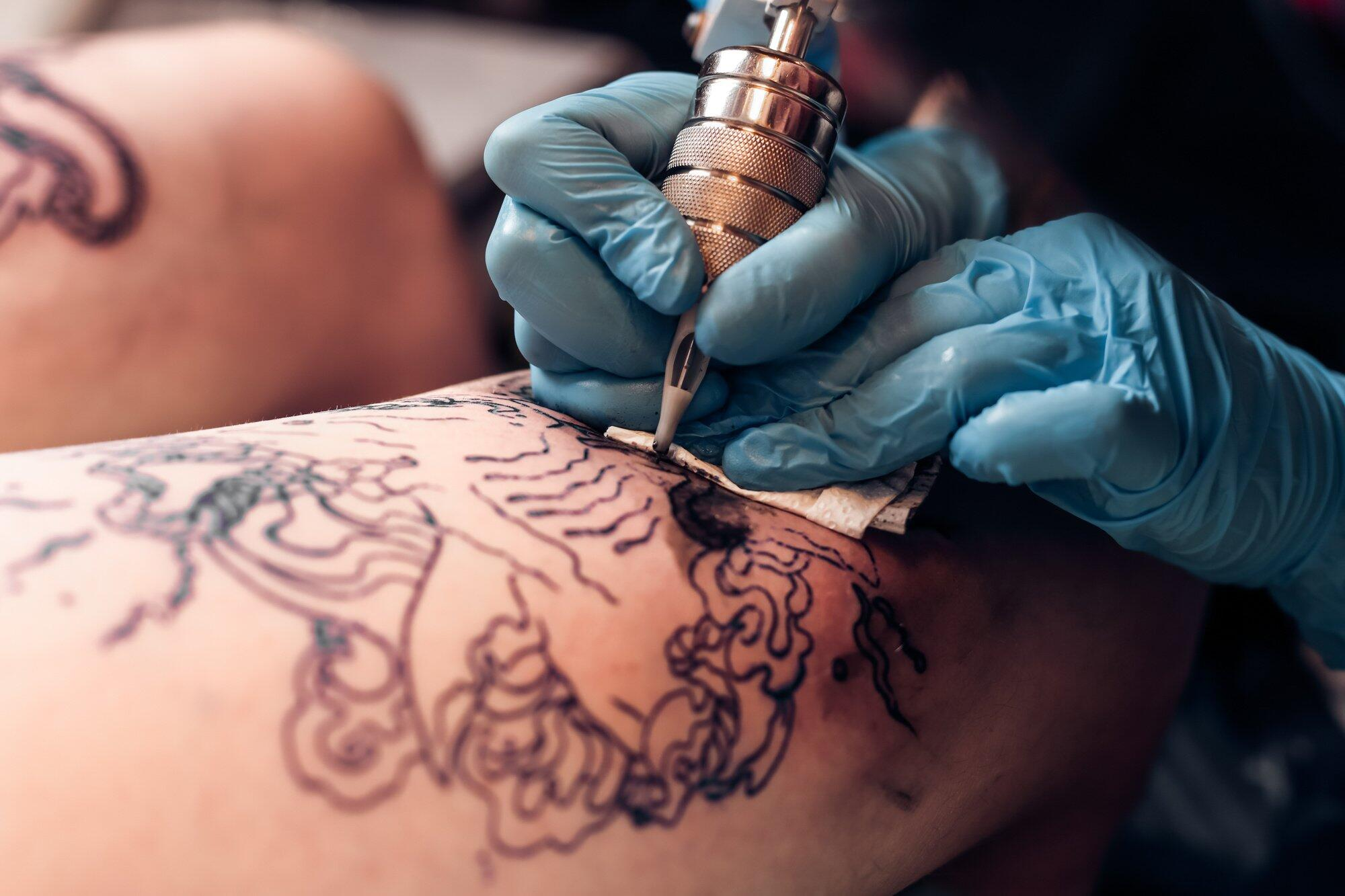
She allowed me to gauge my ears in middle school, and I got my first tattoo, a large forearm piece, in high school (which I do sometimes regret). To this day, I still seek out that thrill of body modifications. It was yesterday that I stretched my ears to the next size up, 9/16″, just a few away from my goal of 3/4″. I have a helix and some facial piercings, and I only plan on getting more. The same can be said for tattoos. I have a list of ones I want, and my following list on Instagram is filled with artists who I want flash pieces from.

Some people ask about things like professionalism and job prospects with my visible tattoos and stretched ears, but at the end of the day, it’s all me. I don’t want to let some corporate entity control how I feel most at home with myself. I’m realizing more and more as I grow into myself that there are so many things that are inherent to me as a person, and tattoos and piercings are some of those things. They’re a part of my identity at this point. They’re how I embody myself.

All of that is to say, I think there is an art of making yourself your own. Creating your body and molding it how you please is a part of the human experience. It isn’t just our limbs that are extensions of ourselves – hair, mobility aids, tattoos, piercings, surgical scars – they’re all extensions of who we are. Piercings and tattoos are how I express myself, and my gender as a trans person. I am reclaiming a body that, as an AFAB individual, has been claimed by society.

There are a lot of ways people make their bodies their own. I think it’s very human, and very beautiful (regardless of job prospects).
I Love My Fat, Trans Body

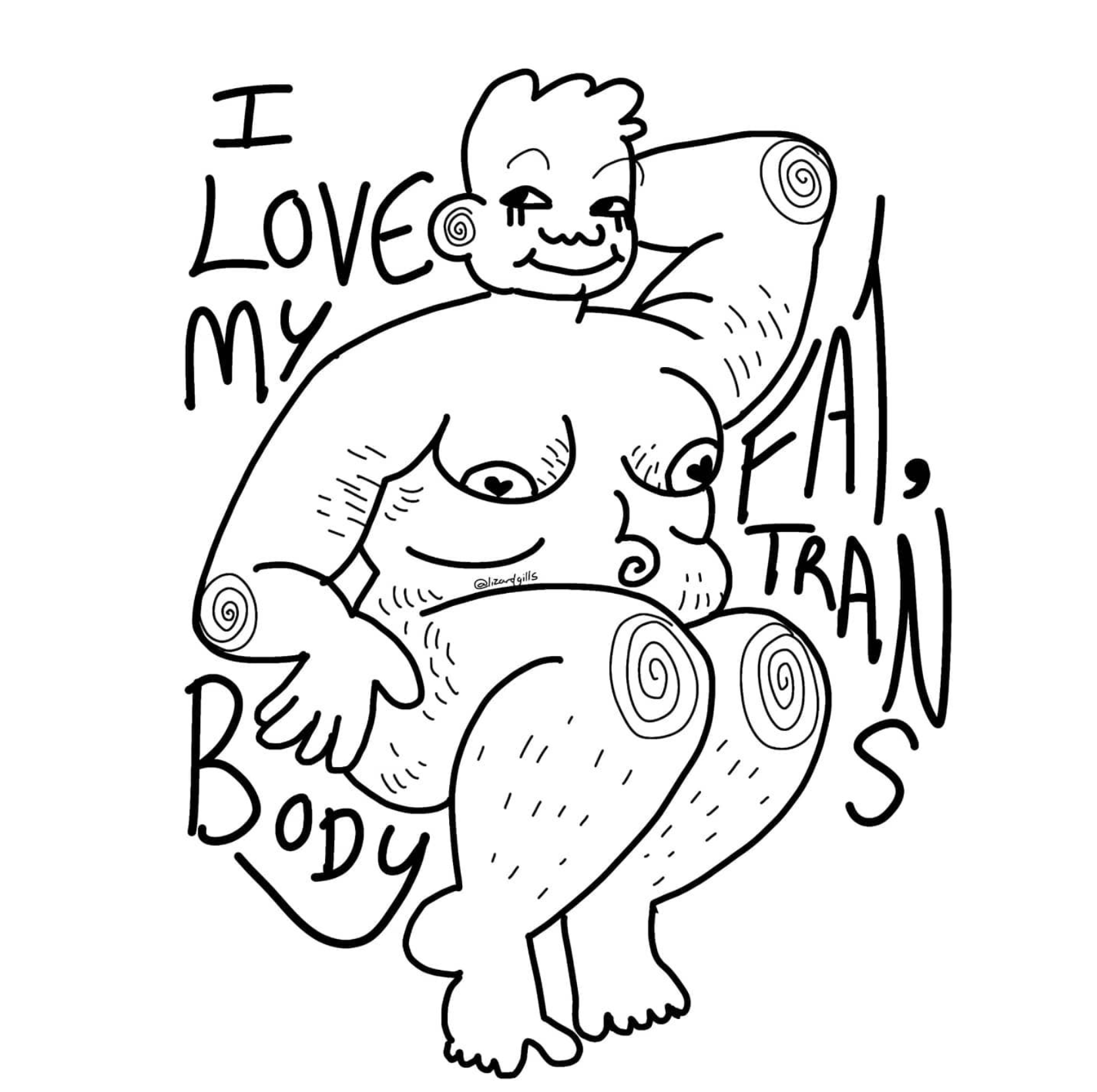
A picture I drew in 2021.

When I think about my transness, one thing that I believe is inherently intertwined with that aspect of my identity is my fatness. I find there to be power in the body. But the combination of being trans and fat, particularly due to the lack of representation of fat bodies in trans spaces, is something that has always bothered me.

Read more: I Love My Fat, Trans Body

It’s one reason I really enjoyed this article (https://medium.com/@sbearbergman/please-come-and-be-fat-cc04ed4d8772) that I found online some years ago. It really spoke to me as someone who struggled to pursue top surgery due to being fat. I had to pay out of pocket for this life changing surgery because the only surgeon in the state that accepted my insurance had a BMI limit; which, if you did not know, BMI is an outdated practice – a BMI limit for top surgery instead shows a lack of effort on the surgeon’s part to learn to work with fat patients, a problem which would be solved with more representation – more patients, more outreach, more effort.

Top surgery was monumental in my journey to loving my body. It saddens me so incredibly much to hear other fat trans folks talking about the lack of representation in our community, because I’ve also seen how much we get talked over by our thin counterparts. Even within the trans community, the lack of representation of fat bodies has lead to many thin trans individuals not understanding the unique struggles that come with being a fat trans person.

I love my fat, trans body, and I want everyone with the same experience to be able to say that.

Disability, Pain, & Pride

When we read Shakespeare’s Social Model of Disability, it introduced a concept I had never considered before. At first, I did actually like it, but the more I thought about it, the more my thoughts changed.

I am someone who is both physically disabled and neurodivergent. I have always been neurodivergent, of course, but my physical disability did not become more prominent until recently; and with it has come shame. I think this is why I was drawn to the social model of disability at first. I am ashamed and embarrassed of the visibility that comes with my disability and how I have to accommodate it. Reading this social model helped me think of this shame in a new light, however – it is not my fault I am ashamed. It is the society around me who has made me embarrassed and forced me to push myself past my limits countless times.


At the same time, however, I realized that this is not fair to myself and my identity as a whole. Yes, it is the society around me that has caused me shame and embarrassment and an unrealistic stubbornness that makes me push myself. But that does not take away the pain I am in, or the potential complications of my disability. And even if it is “just” society causing this shame, that doesn’t take away the pain from the nights I’ve wasted staying up wishing with everything in me I could be “normal”, wishing that I could just understand social cues and not have sensory issues or anxiety or mood issues.


It also takes away from the community I’ve found in spite of this pain. I’ve had negative social interactions because of my neurodivergency and my disability, but framing these things as purely societal issues takes away from all of the positive aspects of social interaction while disabled. I am always so grateful for that community and the people that have been there for me consistently. I’ve learned a lot about both myself and the world around me as I navigate being disabled and neurodivergent, and even though there are bad days, I love the community and the people I’ve found, and I love our persistence despite the pain we experience, regardless of where it comes from.

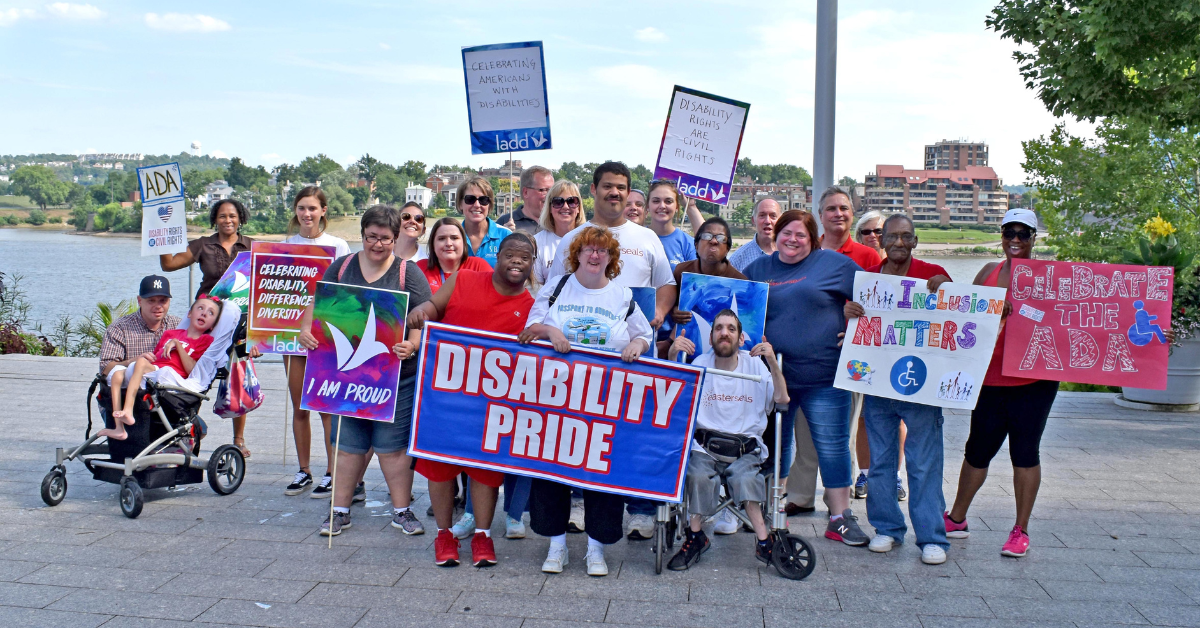
Image source: https://www.hamiltondds.org/cincinnati-region-celebrates-disability-pride-in-july/

Foucault and Environmental Justice

This semester, I’m taking the course Environmental Justice. Although I wasn’t quite prepared for the amount of reading I’d be doing this fall, I was pleasantly surprised at what we read for Week 4 – Nadia Kim’s Fighting for Breath in the Other LA, an introduction to the book Refusing Death. Kim’s work analyzes the intersectionality of environmental injustices through a framework explicitly including gender. Something that stood out to me, however, was her discussion of Foucault.

Read more: Foucault and Environmental Justice

In Week 2 of Unruly Bodies, we discussed Foucault’s idea of biopower; the power of life and how it is controlled. Kim is critical of this concept, however. She argues that Foucault focused too heavily on biopower’s dimension of making life, and not enough on the ability to “let die”. She states, “[Foucault] does not tell us about a state that circulates deadly air.” (p27). Here, she proposes the term bioneglect, not to replace biopower, but to instead add to it. Essentially, the term bioneglect stands to emphasize the “…process of ‘letting die’ waged by neoliberal racial capitalism and the racial state.” (p27). What this means is, where biopower represents the power of life, bioneglect represents the power of discriminating against and neglecting life. Kim discusses how communities made up of low income individuals and people of color are targeted by bioneglect, leading to problems such as health disparities caused by higher rates of pollution, among other issues. This is perpetuated by the (in)actions of the government as well as large corporations.

I think Kim’s addendum to Foucault’s concept of biopower is important when discussing environmental injustices such as these in particular. The struggles faced through environmental injustices are inherently tied to our bodies and how we experience them, as the forces that control our bodies – whether they be large corporations and governments or on smaller community scales – also have the power to control the environment around us; they control everything from the policies we keep to the norms we follow, for better or for worse. The work we are expected and forced to do under capitalism is also directly intertwined with environmental injustices, as it is inherently unsustainable, though not through our own fault. All in all, I believe Kim’s concept of bioneglect is a useful addition to the conversation of biopower proposed by Foucault, one that is necessary to consider when trying to understand the full scope of the effect of larger powers on life.

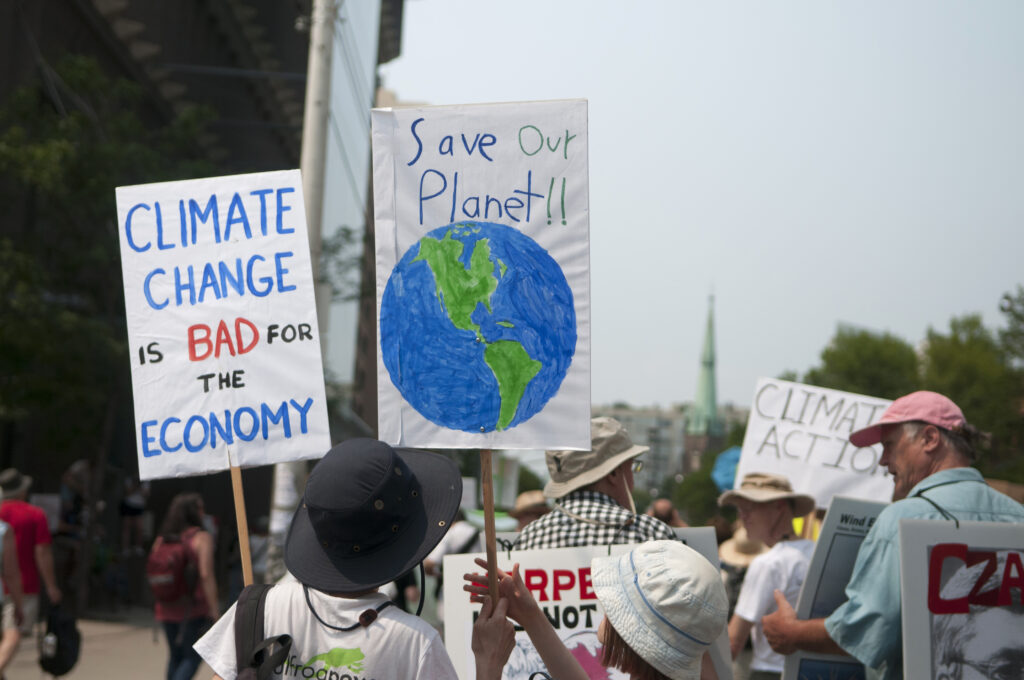
Image source: https://www.sustainableprinceton.org/explainer-series-2-environmental-justice/