Do you wanna know how I got these scars?

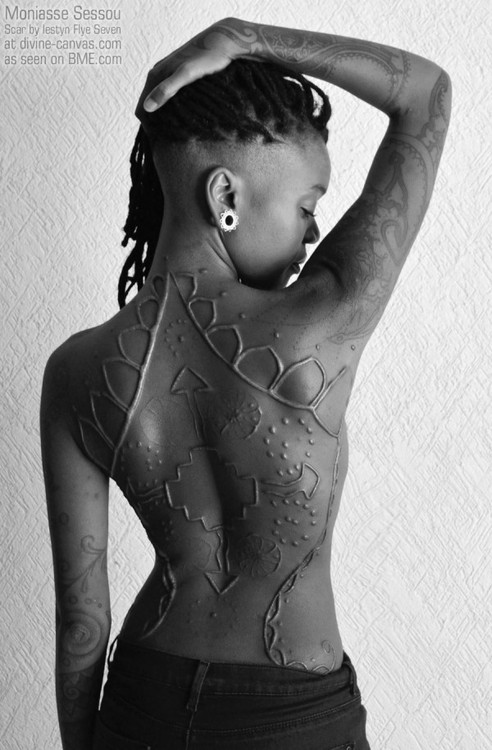
Scarification, the process of creating raised designs on the body by cutting, branding, burning, or freezing the skin, is a body modification practice widely unheard of (compared to the more popular practices such as piercing and tattooing) in the Western world. Its practice in the U.S., originally adopted by the gay and lesbian subcultures of mid-1980s San Francisco, was revived by the neotribal movement of the early 1990s in an attempt to create a more “authentic” aesthetic while also romanticizing exoticism.

TW: blood, mildly graphic description of scarification process

Continue reading

“Boobs Don’t Work That Way”…No really, they don’t!!!

Images such as these pervade comic book character art. Women are normally in sexy, revealing outfits; and, their bodies are often doing some pretty impossible things. A blog called Boobs Don’t Work That Way brings awareness to how ridiculously women are portrayed in comic books. The picture of Wonder Woman displayed here is not unique. Attempting to make her sexier, she is drawn into this impossible pose where her breasts and behind are shown at the same time. Also, her breasts are extremely large, and there is no way that her costume could logically support them. The commentary on the blog regarding this picture is as follows:

“It always freaks me out when boobs are drawn as almost a separate entity. This one looks like it’s about to pop off and and start a solo career.”

Other interesting points the blogger makes include the way fabric unrealistically stretches over breasts in some costumes, suctioning itself to each breast individually, the fact that nipples rarely have areolas in comics, and that breasts are not always perky and perfectly spherical.

I find it interesting that beauty for women in comic books is literally impossible for us as humans. The beauty standard is completely unrealistic. Do comic book artists feel that women will not be sexy without their impossible breasts? Or do they enjoy creating a fantasy woman? I’m not personally sure which reason correctly demonstrate how artists feel, or if there are other reasons. The blog is not being updated, but the pictures and commentary are excellent. Check it out!

The Adipositivity Project

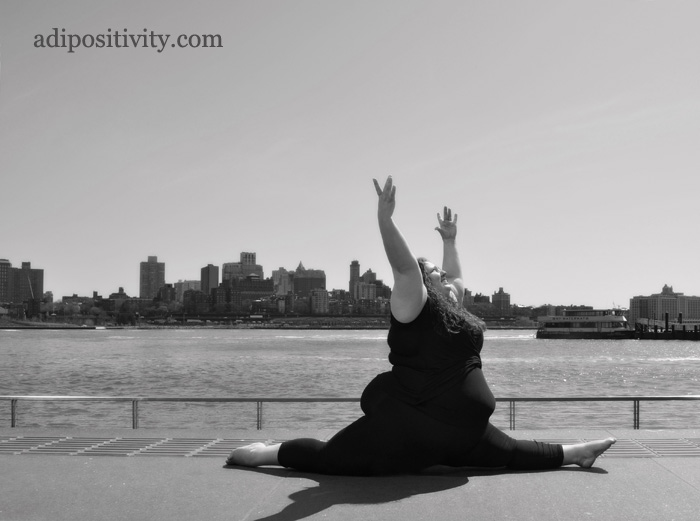
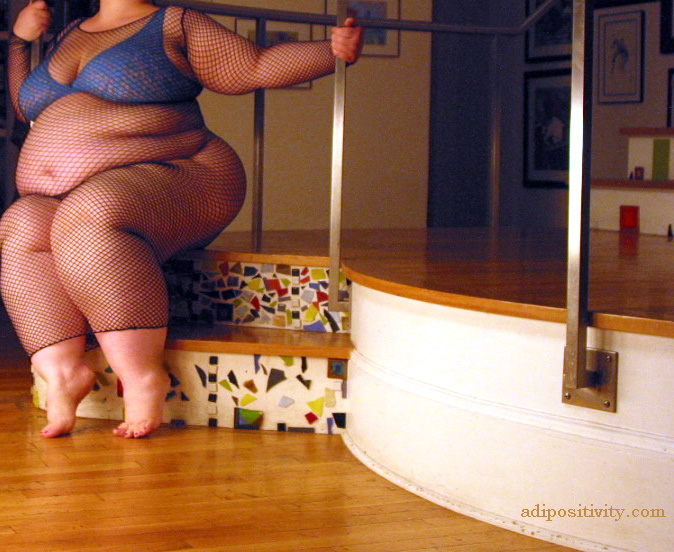
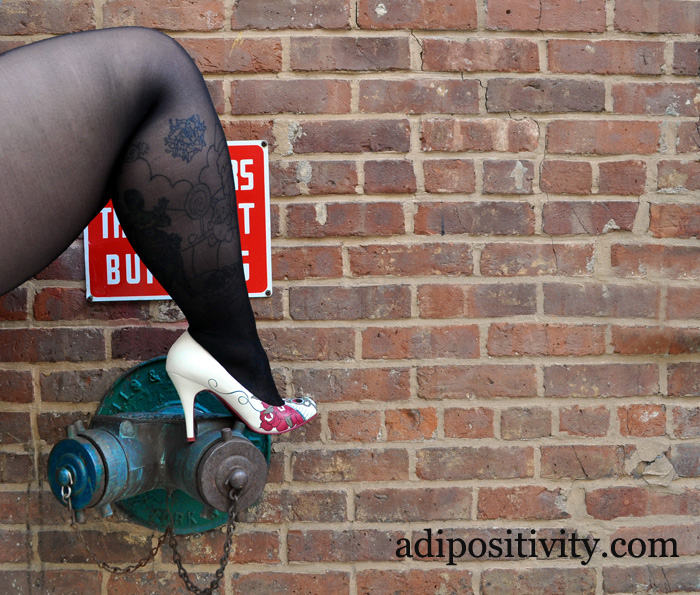
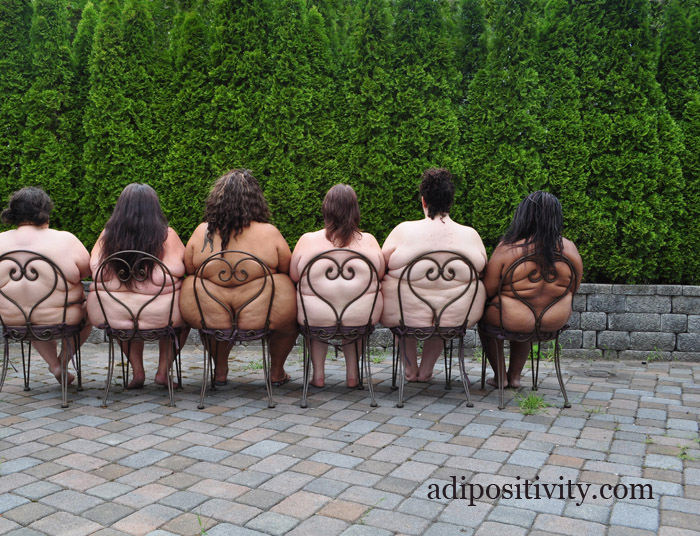
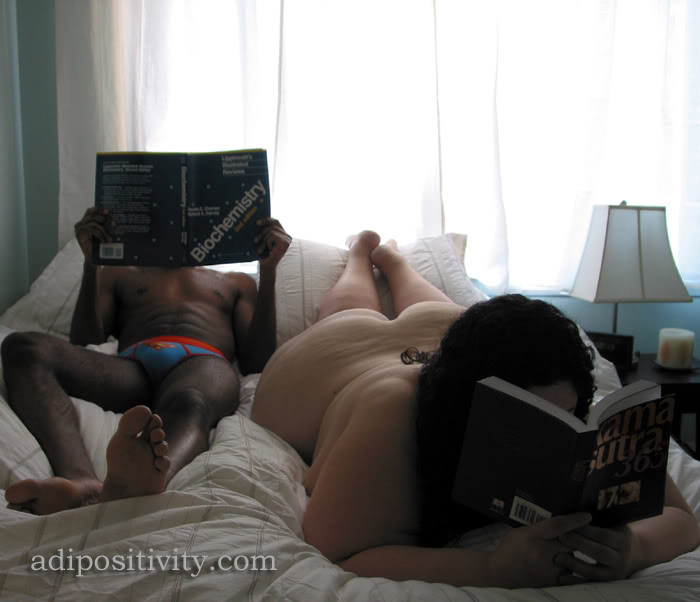
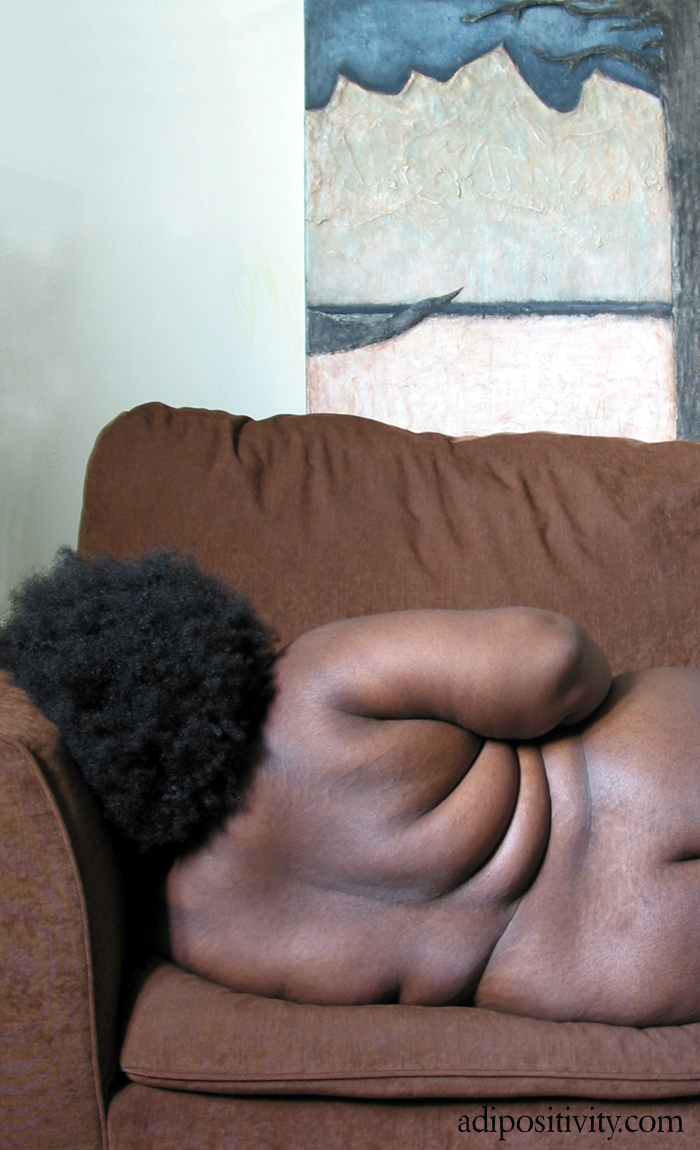
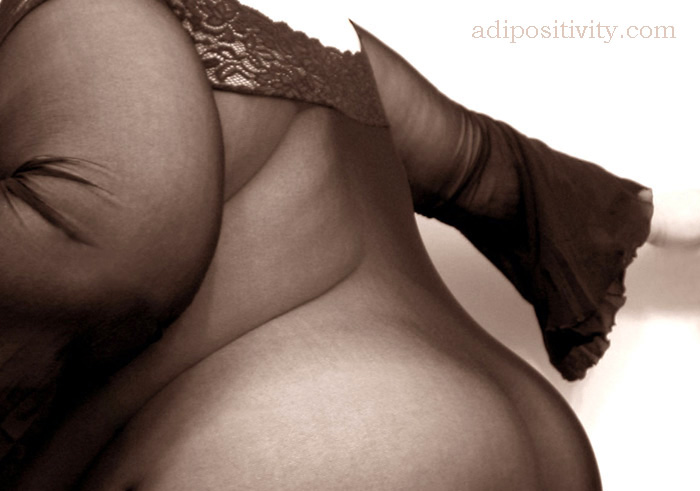
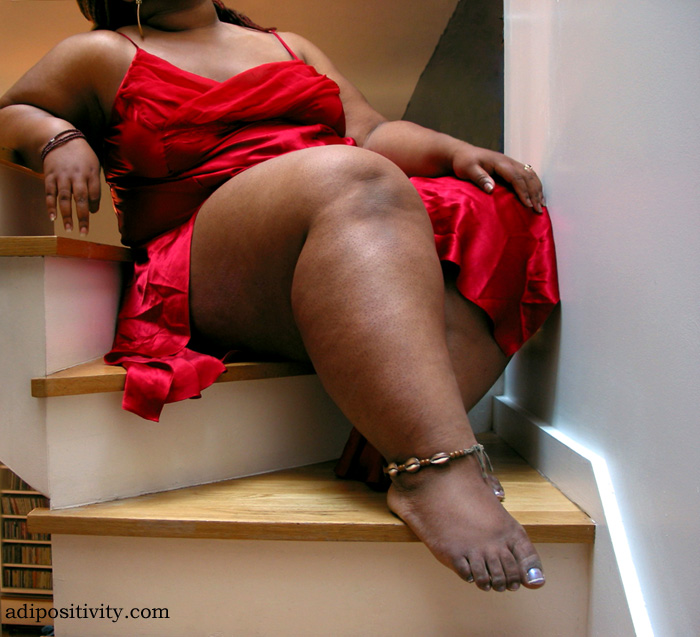
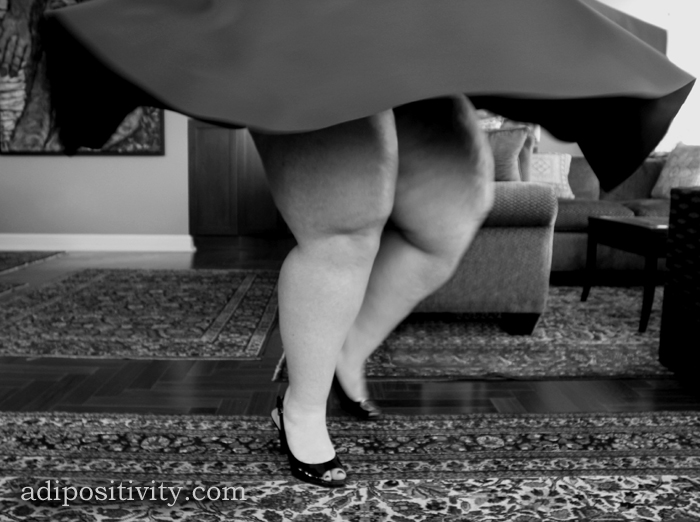
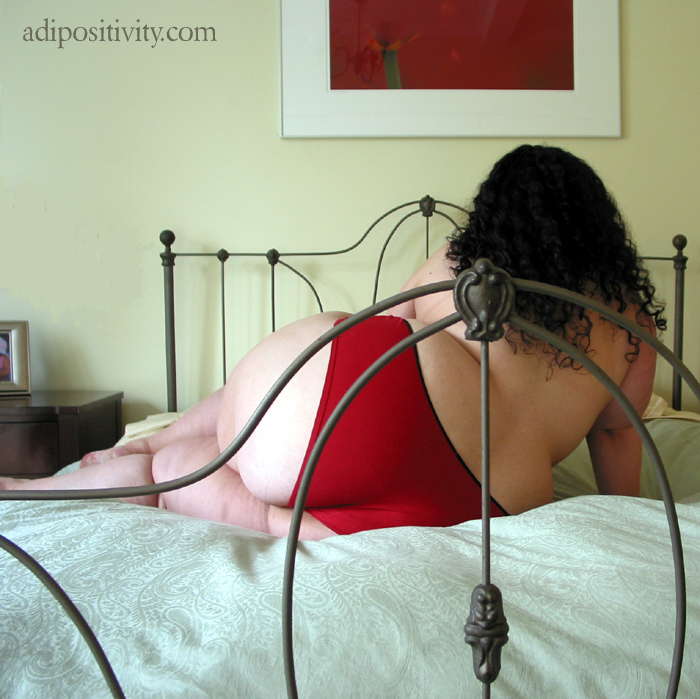
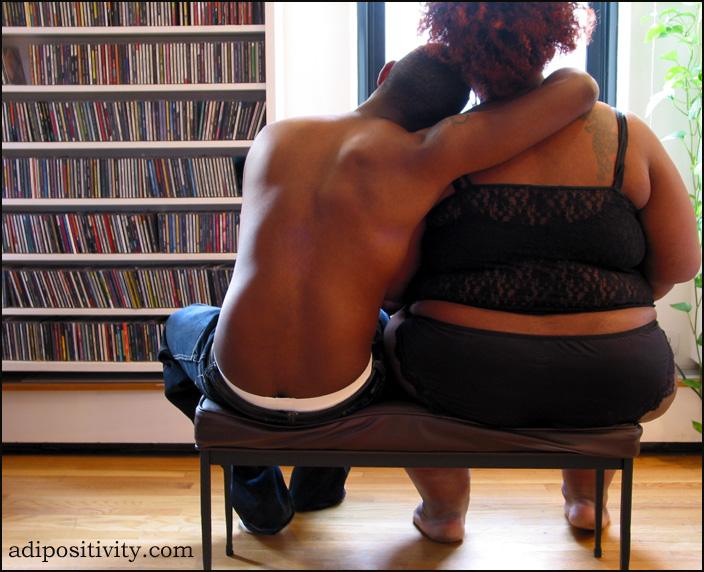
I’ve been aware of The Adipositivity Project for a number of years.  Most people who float around Fat Acceptance circles online are aware of it, but when I’ve shown it to friends who aren’t aware of FA, it’s always surprised them.  I thought, given the reading for our next class, this was at least visually on topic.  I’m also always a fan of activism through art and you can’t say Substantia Jones’ photographs aren’t beautiful or radical.   Many of the photographs are nudes, so beware if you decide to click through.  I’ve pulled some of the more modest ones to show the intent of the images.

Adipose: Of or relating to fat.

Positivity: Characterized by or displaying acceptance or affirmation.


MISSION:
 The Adipositivity Project aims to promote size acceptance, not by listing the merits of big people, or detailing examples of excellence (these things are easily seen all around us), but rather, through a visual display of fat physicality. The sort that’s normally unseen.

The hope is to widen definitions of physical beauty. Literally.

The photographs here are close details of the fat female form, without the inclusion of faces. One reason for this is to coax observers into imagining they’re looking at the fat women in their own lives, ideally then accepting them as having aesthetic appeal which, for better or worse, often translates into more complete forms of acceptance.

The women you see in these images are educators, executives, mothers, musicians, professionals, performers, artists, activists, clerks, and writers. They are perhaps even the women you’ve clucked at on the subway, rolled your eyes at in the market, or joked about with your friends.

This is what they look like with their clothes off.

Some are showing you their bodies proudly. Others timidly. And some quite reluctantly. But they all share a determination in altering commonly accepted notions of a narrow and specific beauty ideal.


I love this project, especially considering the attempts by the media to include “real” bodies through the use of marketing like the Dove Campaign for Real Beauty and “plus size” (really a size 6-12) models, and how different these fat people look from those culturally approved fat bodies.  These aren’t the media portrayed idea of what is “real” (and how problematic is that word in regards to any person?).  These (mostly) women, according to the BMI (another problematic method of judgment!), are obese, or more likely morbidly obese (sometimes called Death Fat in the FA community).  Most of them probably weigh somewhere in the neighborhood of 200 or 300 or even 400 pounds – yet I don’t think they look like the stereotypical bed-ridden mordibly obese person most non-fats think of when they hear those numbers. Or maybe they do look like those ZOMG FAT people to you.

However you see them, these people are fat, but they have accepted the bodies they have and are living their lives in them.

The Great Wall of Vagina

Artist Jamie McCartney is trying to start a sexual revolution… but not the kind we usually think of.

Image

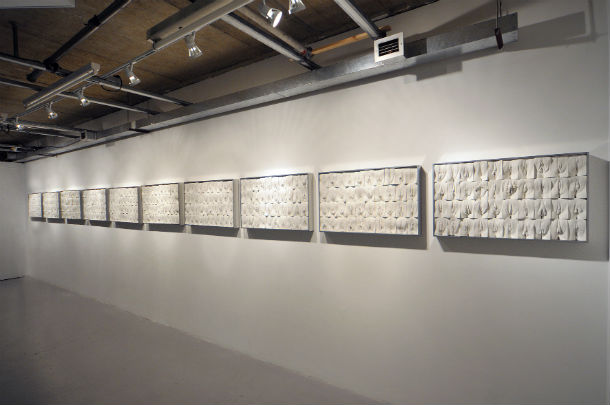
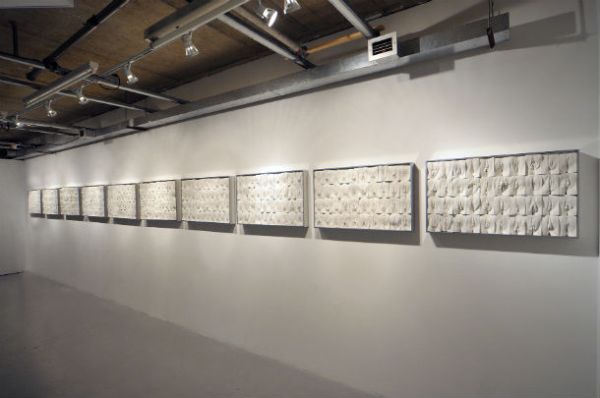
He is attempting through art to change female body perceptions and show us that every woman’s vulvas are normal.  McCartney is a life cast artist; he spent five years collecting casts of volunteers’ vulva mounds and has turned the result into The Great Wall of Vagina.
Image

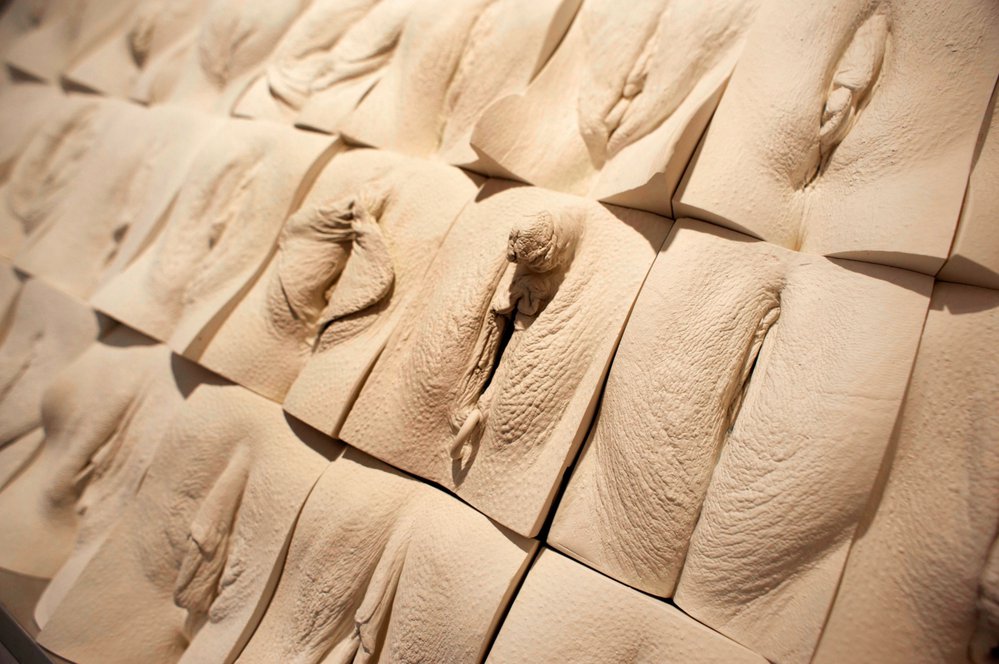
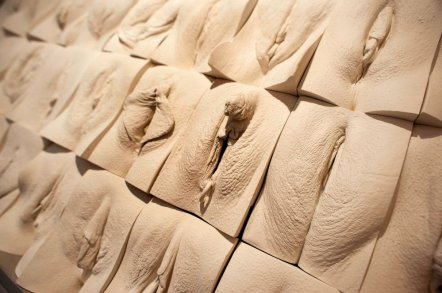
The work includes 400 casts, as accurate as photographs, displayed in ten wall panels. They range in age from 18 to 76 and include mothers and daughters, identical twins, transgendered men and women, women pre and post natal, and another one pre and post labiaplasty. It is impressive and at times overwhelming, but by reducing the body part to a simple white plaster cast, he removes the sexualization we would typically attach to such a display.  His use of spectacle shows us how absolutely diverse each and every woman’s vulva is – on the website it mentions how each one is as unique as a face.  And they are!

Image

“For many women their genital appearance is a source of anxiety and I was in a unique position to do something about that.” - Jamie McCartney

There are several things I find interesting about this art project.  First, by bombarding us with 400 vulvas in a small space, he reduces the body to a single part, from a view many of us have never seen. And while we ARE viewing the diversity and differences in vulvas, it also manages to emphasize the similarities.  We see the similarities in our differences.
Image

And second, if women are shocked and surprised at the diversity shown here – why is that?  Is it simply because most heterosexual women haven’t seen other women’s open vulvas?  Or is it the “pornification” of our modern culture?  If labiaplasties are on the rise, do you think an exhibit like this would help stop that trend? Do you think hetereosexual men and lesbians are surprised by this diversity?

So, would you go see the show?  And if you are the owner of a vulva, are you looking for one that looks like yours?

Image

“It’s time our society grew up around these issues and I’m certain that art has a role to play.” - Jamie McCartney

The Rebellyon

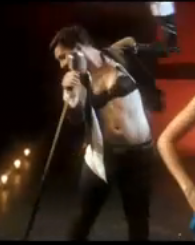
Amanda Palmer (probably my favorite musician, artists, what have you) has a disagreement with the managers of Roadrunner Records, her then point of contact for making music. The short version of  a long story is that for her solo album entitled Who Killed Amanda Palmer? the manager of Roadrunner Records (who also has bands such as Kiss, Korn, Theory of a Deadman, and Nickleback) told her that the video for “Leeds United” would need to be altered because her stomach looked fat. He said according to Palmer, “i’m a guy, amanda. i understand what people like.” The longer version of these events was posted on her blog which is linked here. Amazingly enough, I do believe this is the body he said people would not like:

She proclaimed a return to love the belly, although in her own vanity she was frequently self-conscious of it. After posting a photograph of her belly, many of her fans felt inclined to follow in her actions. At one point there was a website devoted to those pictures (which I can’t happen to find now), but they have been collectively amassed and put on various sites. There have been discussions about how the body should be loved as it is. An interesting take of the Rebellyon is discussed here.

I am actually really saddened by the fact that this occurred because by one man’s standards, the body was judged as if by societal judgement. The amazing thing is that her fan base provided the grounds for substantial protest against the record company (which she was finally able to drop after harsh criticisms). Her body has been put on display by the mediums she works in and it is evident there is a place for politics in this space, but was it fair for the manager to assert the ideal body that her audience would like?

The Body in Poetry.


The video is Andrea Gibson preforming her poem, “I Sing the Body Electric, Especially When the Power’s Out”. I thought this was fantastic because it does self-consciously reflect the ways in which we take our bodies for granted until something is wrong. She points out that she wrote the poem when her body was hurting her – this is a reflexive way to recognize that the body exists. Her poem, however, extends pass that and praises the body as a machine in poetry. The imagery really counts towards her overall message. Body parts are representative of their function and ultimately, their worth.

The body does so much, but we also picture the internal features as something much more pristine. The use of heart beats keeping rhythm, of the mouth as a fire escape, and the smoke in her lungs points to the ability of the internal body to ampify our natural processes. What resonated with me the most were the lines about her injuring her body and the doctor assuming it was for attention. I feel like that’s one of the ground rules we’re expected to take about the body: we’re blessed to have it and should appreciate everything it does, so those who do modify the body are transcending the whole “body is a temple” concept