
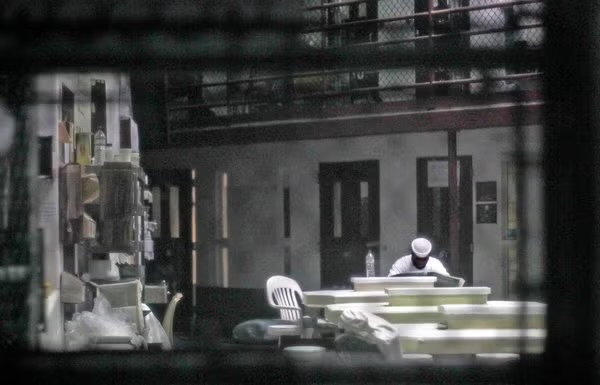
Imagine every way you have of being heard by others getting switched off in one afternoon.
No visits.
No phone calls.
No messages home.
No activities.
Just a cell and a door.
That’s what a large-scale lockdown can look like, and recently it’s meant that tens of thousands of people cut off at once, with no word on when it will end. within a day, some of them stopped eating.
What stayed with me is how it was explained. They didn’t call it defiance, they called it a demand that a system follow it’s own rules. That doesn’t read as chaos to me, it reads like a grievance filed in the only format they had left. Hunger strikes aren’t new, and they definitely aren’t rare. They show up in prisons and detention centers all over the world, and the pattern is usually the same: when the formal channels close, people turn to the one thing that cant be confiscated. Legal experts have described blanket lockdowns as solitary confinement in everything but name, and one scholar called them a blunt instrument when a precise one was needed. Meanwhile, lockdowns keep getting more common because of staffing shortages, so the conditions that push people towards these forms of protest aren’t going anywhere.
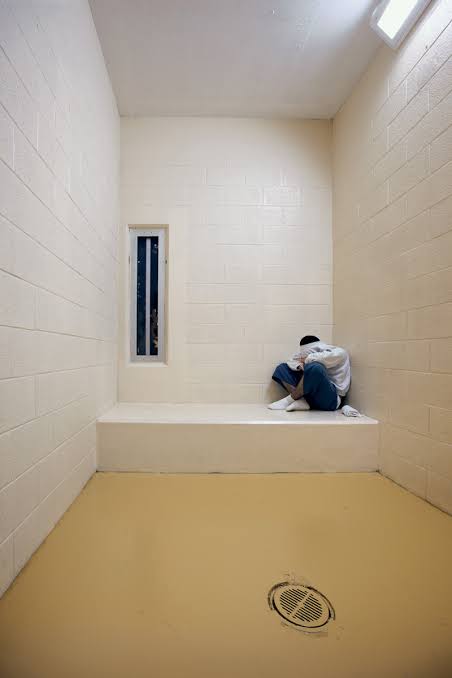
I can;t ignore what isolation does to a person. Addiction and mental health struggles don’t pause during a lockdown, they get worse, and loneliness is a huge part of the damage. Families feel it too, left wondering if someone they love is safe, with only vague statements to go off of. It makes me wonder how many people hear “safety measure” and never ask who’s the one actually paying for it.
I think about it like unplugging every phone in a building and then getting confused and shocked when everyone starts shouting.
So why does starving become the way to be heard?
Because when every other door is locked, the body is the only thing left to speak with.

