“I’m Having Their Baby”

The Oxygen Network will be presenting a show entitled “I’m Having Their Baby” on July 23rd, 2012. The show highlights women who will be giving their children up for adoption. The adoptive parents include gay couples, infertile couples, etc. The interesting part is that we see the story from both sides. Oxygen shows us what the birth mother experiences along with the adoptive parents. I believe that it will be interesting to see how the families of both sides feel regarding the adoptions.

I believe that this is a show unlike any other on television at this time. Adoption is rarely discussed, especially from both points of view. Since abortion is such a charged topic, adoption seems to follow. Women who chose to give up their children are looked down upon at times, depending on their situations. Sometimes, society feels better about a woman choosing to give their child up for adoption that abort the pregnancy, but sometimes the situation is reversed. It is even more interesting that adopting a child is seen as a noble cause or creating a family, but giving a child up is looked down upon. Isn’t what a woman does with what is inside her body up to her?

I definitely see birthing a baby to give to someone else as an interesting body project. Anyway, I’m looking forward to this show! Will anyone else watch with me?
“American Able” – Challenging Media Representations of Disability

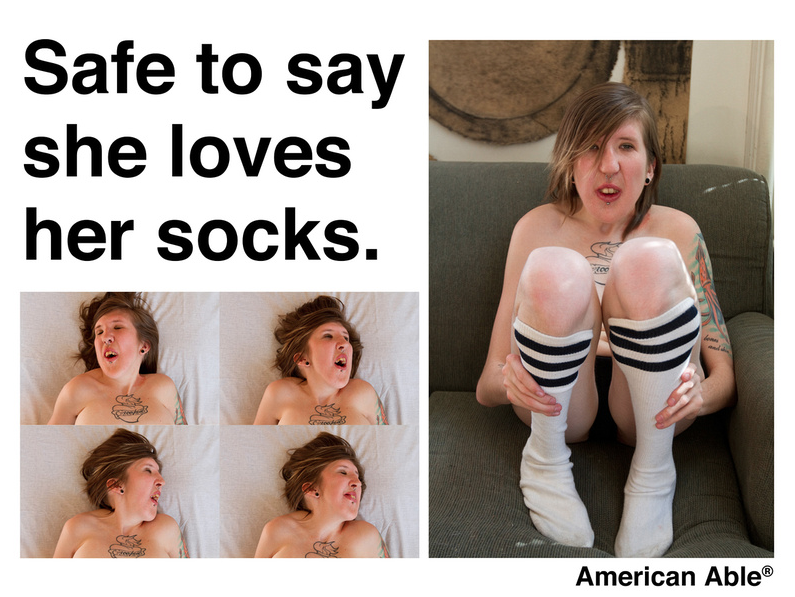
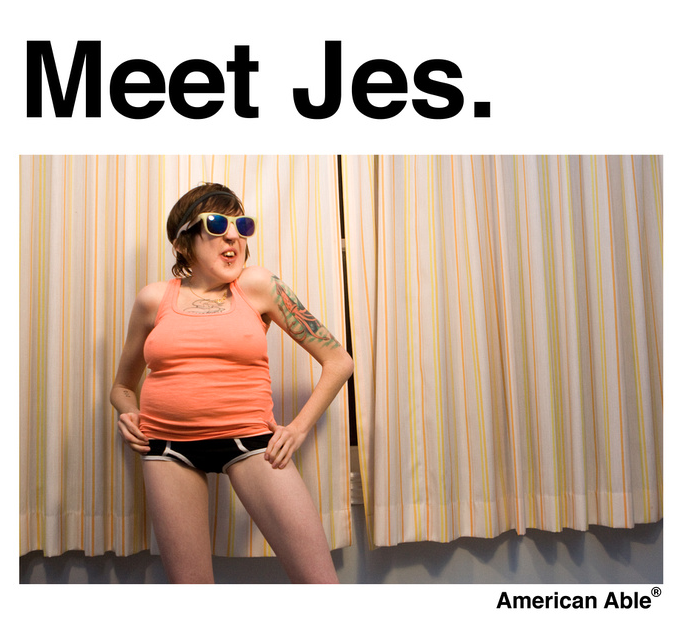
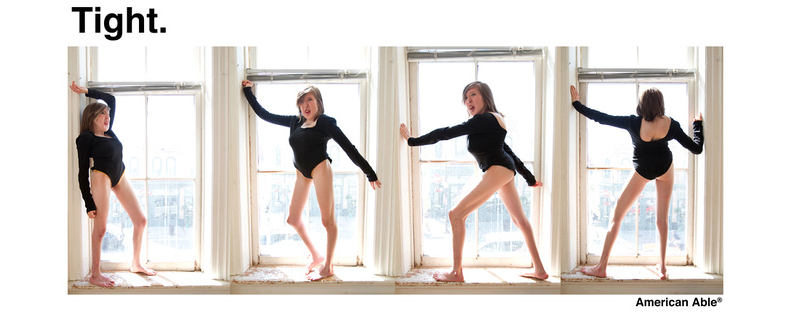
Here’s a description of the project from the the artist Holly Norris’ website:

“American Able” intends to, through spoof, reveal the ways in which women with disabilities are made invisible in advertising and mass media. I chose American Apparel not just for their notable style, but also for their claims that many of their models are just ‘every day’ women who are employees, friends and fans of the company. However, these women fit particular body types. Their campaigns are highly sexualized and feature women who are generally thin, and who appear to be able-bodied. Women with disabilities go unrepresented, not only in American Apparel advertising, but also in most of popular culture. Rarely, if ever, are women with disabilities portrayed in anything other than an asexual manner, for ‘disabled’ bodies are largely perceived as ‘undesirable.’ In a society where sexuality is created and performed over and over within popular culture, the invisibility of women with disabilities in many ways denies their sexuality, particularly within a public context.

Too often, the pervasive influence of imagery in mass media goes unexamined, consumed en masse by the public. However, this imagery has real, oppressive effects on people who are continuously ‘othered’ by society. The model, Jes Sachse, and I intend to reveal these stories by placing her in a position where women with disabilities are typically excluded.

I think this project is extremely fascinating in its critiques of advertising and mass media, specifically American Apparel, and the projects counter-depictions of disability.

How is Norris’ explanation of the invisibility of disabled bodies in mass media, including the de-sexualization and undesirability often seen intrinsic to disability, parallel to Garland-Thomson’s “Integrating Disability, Transforming Feminist Theory”? Do you believe that the depictions of disability in American Able are revolutionary? Can these counter-depictions of disabled bodies truly change advertising and mass media and the ways in which we view disability in our society?

Some of the following images by be not safe for work (NSFW).

The Adipositivity Project

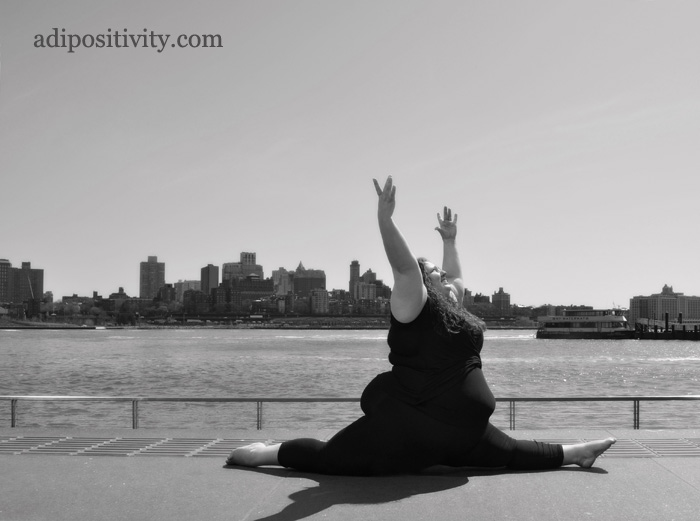
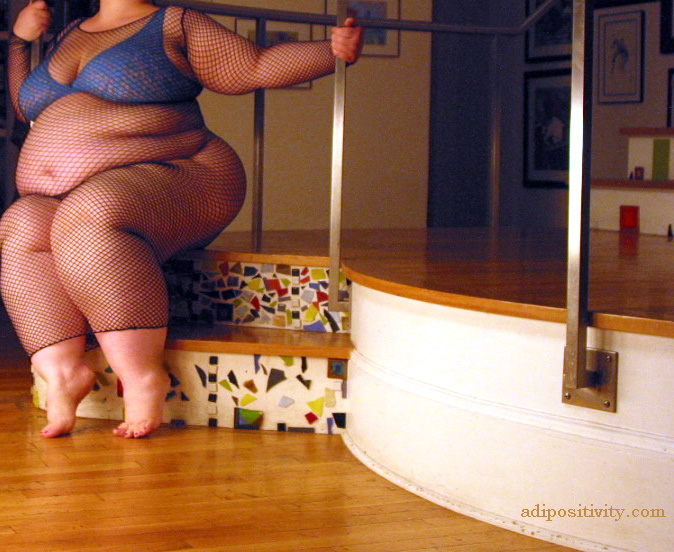
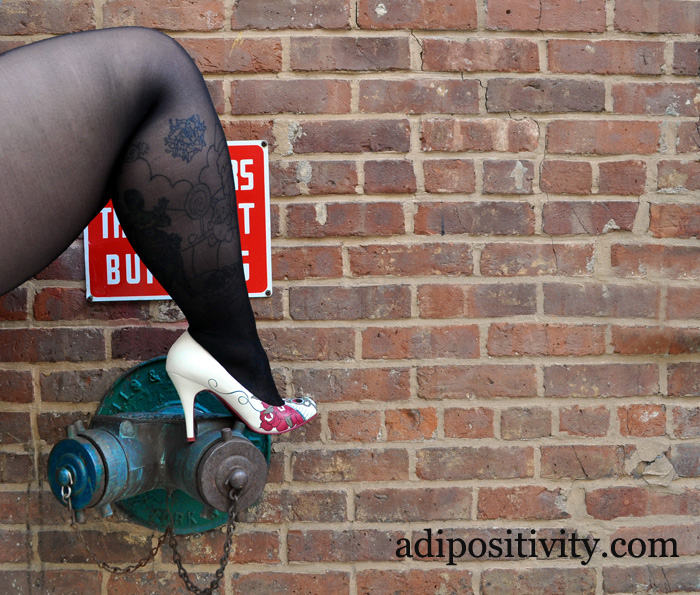
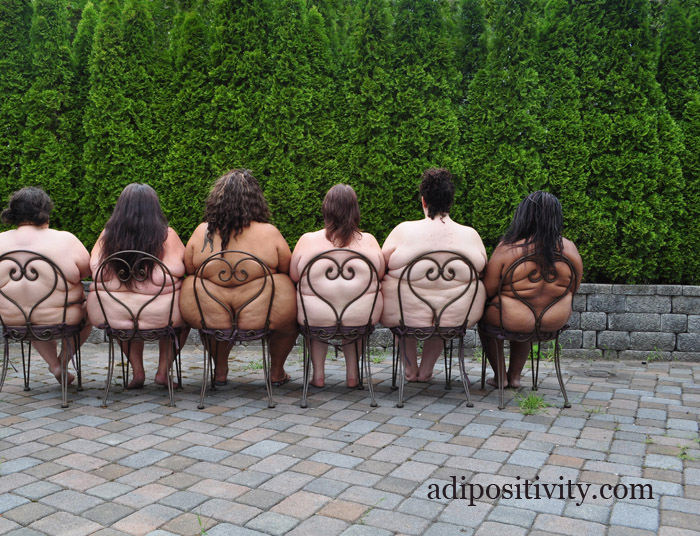
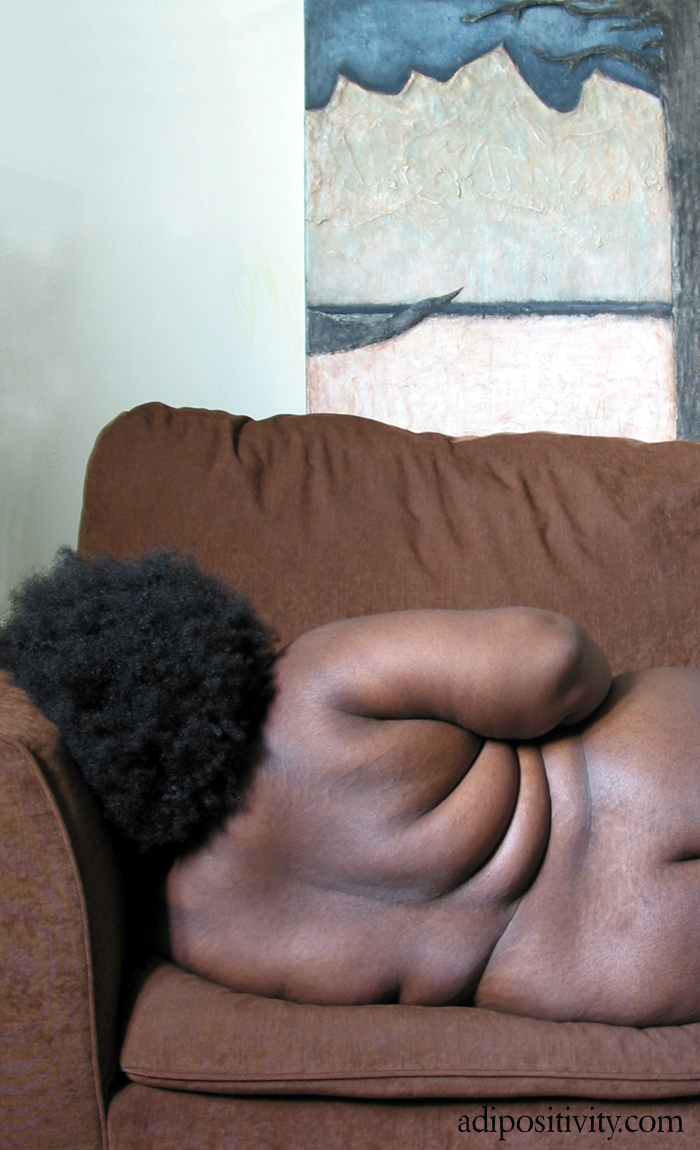
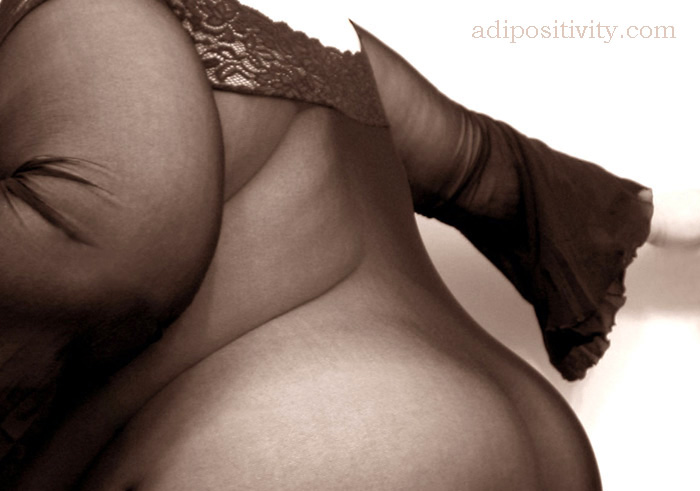
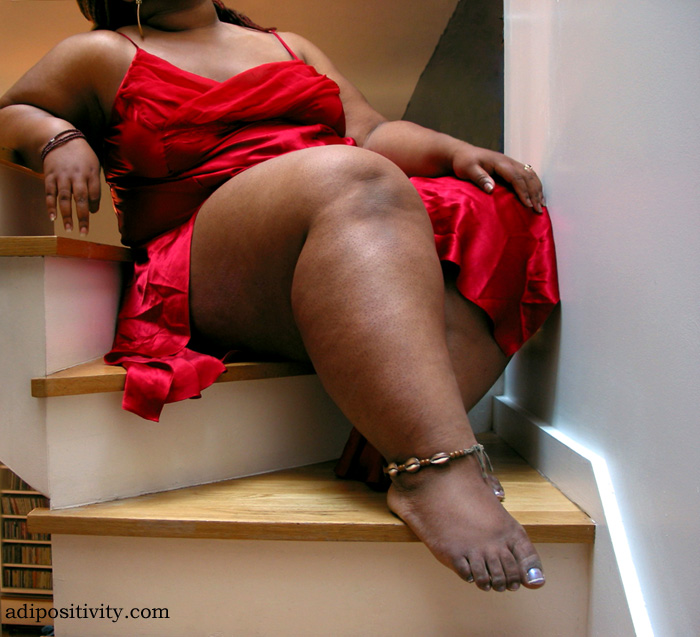
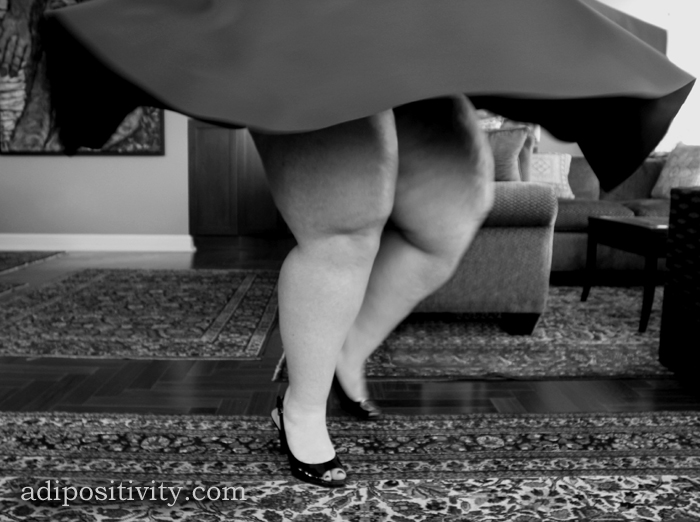
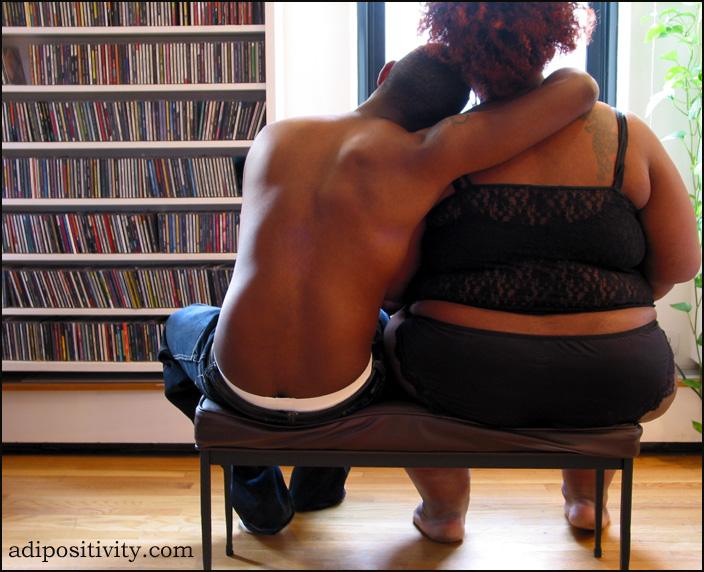
I’ve been aware of The Adipositivity Project for a number of years.  Most people who float around Fat Acceptance circles online are aware of it, but when I’ve shown it to friends who aren’t aware of FA, it’s always surprised them.  I thought, given the reading for our next class, this was at least visually on topic.  I’m also always a fan of activism through art and you can’t say Substantia Jones’ photographs aren’t beautiful or radical.   Many of the photographs are nudes, so beware if you decide to click through.  I’ve pulled some of the more modest ones to show the intent of the images.

Adipose: Of or relating to fat.

Positivity: Characterized by or displaying acceptance or affirmation.


MISSION:
 The Adipositivity Project aims to promote size acceptance, not by listing the merits of big people, or detailing examples of excellence (these things are easily seen all around us), but rather, through a visual display of fat physicality. The sort that’s normally unseen.

The hope is to widen definitions of physical beauty. Literally.

The photographs here are close details of the fat female form, without the inclusion of faces. One reason for this is to coax observers into imagining they’re looking at the fat women in their own lives, ideally then accepting them as having aesthetic appeal which, for better or worse, often translates into more complete forms of acceptance.

The women you see in these images are educators, executives, mothers, musicians, professionals, performers, artists, activists, clerks, and writers. They are perhaps even the women you’ve clucked at on the subway, rolled your eyes at in the market, or joked about with your friends.

This is what they look like with their clothes off.

Some are showing you their bodies proudly. Others timidly. And some quite reluctantly. But they all share a determination in altering commonly accepted notions of a narrow and specific beauty ideal.


I love this project, especially considering the attempts by the media to include “real” bodies through the use of marketing like the Dove Campaign for Real Beauty and “plus size” (really a size 6-12) models, and how different these fat people look from those culturally approved fat bodies.  These aren’t the media portrayed idea of what is “real” (and how problematic is that word in regards to any person?).  These (mostly) women, according to the BMI (another problematic method of judgment!), are obese, or more likely morbidly obese (sometimes called Death Fat in the FA community).  Most of them probably weigh somewhere in the neighborhood of 200 or 300 or even 400 pounds – yet I don’t think they look like the stereotypical bed-ridden mordibly obese person most non-fats think of when they hear those numbers. Or maybe they do look like those ZOMG FAT people to you.

However you see them, these people are fat, but they have accepted the bodies they have and are living their lives in them.

Deceased “Etiquette”

The media heavily covered the death of legendary singer Whitney Houston.  There was much speculation about the circumstances surrounding her death all of which were reported on in the media.  The latest story about the singer’s death is the National Enquirer publishing a photo of the late singer in her casket.  There is an article on Celebritology on the Washington Post which reports on this latest media frenzy.  Where do we draw the line when it comes to respect of the deceased?  Is showing their body in a casket appropriate, especially when her family did not authorize such a photograph to be published let alone taken? 

The singer’s entire life was in front of paparazzi as is any other celeb’s.  But is this same extreme invasion of privacy acceptable after death when the star is no longer her to be a voice for herself?  The media feeling the need to publish such a picture is extremely indicative of  how we view bodies.  Whitney was famous mostly for her voice, however the voice went with the face and body.  At one point in time she was a model, however her notoriety came from her vocal skills and stylings.  So following death people do not separate the two?  The deceased corpse is no longer able to produce the angelic sounds that it once did, however there is such a focus on the body. 

In my opinion it is extremely disrespectful of not only the celebrity but her family as well to post pictures of her body in a casket.  Why does the media feel such a need to be so intrusive into the lives of people?  There should be more of a line drawn between reporting on what needs to be known or what is of interest and respect of the privacy of those being reported on.

http://www.washingtonpost.com/blogs/celebritology/post/national-enquirer-publishes-photo-it-alleges-shows-whitney-houston-in-casket-has-a-line-been-crossed/2012/02/22/gIQAjrrnTR_blog.html