
**This post is about breastfeeding. I hope you read it, but if not, please take a look at the resources I’ve linked, as there are many and I have found them to be invaluable tools for breastfeeding mothers.**
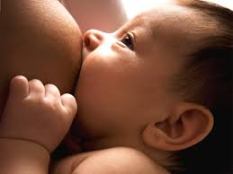
Just the word “breastfeeding” brings mixed reactions. I don’t know many people who find it overtly offensive. I know many people who find it as natural as breathing. Most people I know are somewhere in between, approving of the act for its purpose and benefits, but feeling opposed to the actual witnessing of it. I myself have existed on various levels of acceptance as I’ve aged, so I’m not unfamiliar with the uneasiness it gives people. What I hope to do here as I share my personal experience is offer perspective, perhaps a chance for some to alter their view of breastfeeding by considering the breastfeeder.
Until I had a child to breastfeed, I mostly didn’t think about breastfeeding. Even in public, I didn’t really care. I would get hung up trying to converse with someone breastfeeding. I never knew where to look, because looking at her breast seemed creepy (however distracting it was) but looking away seemed rude. I usually avoided conversations. My first son breastfed for 8 weeks, and the experience was on a constant decline. I was 19, I didn’t know what I was doing, and no one would help me because no one could tolerate being in a room with me while I breastfed. By the 8th week, I felt tortured, and I quit. People seemed to prefer him as a bottle baby, and I couldn’t decide if I was more devastated that I’d “failed” (more on that later) or relieved that with his bottle, he didn’t scream the entire time he ate.
When I had my second son, I was 23. I had done a lot more research (research I didn’t even know had to be done the first time). I knew that breastfeeding was a goal. I mean, the benefits for my baby were enough, but there were the benefits for me, the outrageous cost of formula, and the fact that bottles are a pain to buy, clean, make, heat and store. I felt ready. I was going to breastfeed. At least one year, because that’s what everyone recommends.
But as soon as he was born, we hit road bump after road bump. He was born via c-section, which means we didn’t breastfeed immediately, and even when we were united for the first time, the medications from my surgery made me shake so violently that the nurse had to hold him while I fed him. He was a sleeper, which meant he wasn’t eating as often as he should have to make my milk supply stable. And after a few weeks, we learned that he wasn’t growing. I breastfed him in the pediatrician’s office to measure his weight change before and after a feeding to see how much milk he displaced. His weight didn’t change. I left the office with a case of formula, crying because of my failure.
I want to pause here because I want to emphasize something I never knew before I had children. Breastfeeding is hard. I wouldn’t have thought so, and some moms I know may not agree, but it is work. It’s tiring making milk, and sometimes it’s a strain on your body serving as the sole source of sustenance for your child. Sometimes I wanted my body for myself. It felt like it was mine and his, but mostly his. I was a slave to his hunger. But for all that, most of the time I enjoyed it; we bonded. I got to hold him privately with no interruptions. I would sing to him and cradle him in my arms. He’d fall asleep in my lap and I would feel so peaceful. The hormones that come with breastfeeding are soothing; they make me feel more love for him, calmer, more peaceful. Despite the work and the pain it sometimes caused, breastfeeding was amazing. My body had not only grown this child, but sustained him after birth. We had a good relationship and because I smelled both like mom and like food, I could always soothe him when no one else could. We were never out of food. I never had to heat his bottle up. It was the hardest, best thing I had ever done. For many moms, breastfeeding is so important that it is a goal. It was a goal for me. And because I felt it was so important, the idea of not being able to felt like failure. Sure, part of it was knowing that my body was “supposed” to, that I was meant to breastfeed. I equated it with being a woman and being a mother. But mostly, it stemmed from my own, deeply personal, desire to do this for myself and my child. But that can sometimes leave the impression that I, and other women who emphasize breastfeeding, view other women’s decisions not to breastfeed as failure. To this I must say: That’s not true. As far as I am concerned, feeding your baby is the most important thing. And only you can make the right decisions for you. Breastfeeding has its advantages, but knowing your limits and needs is the most important thing. I have one son who grew up on formula, and one who grew up on breast milk. They are both happy and healthy, securely attached and I don’t perceive either as having an advantage over the other. Ok, end PSA.
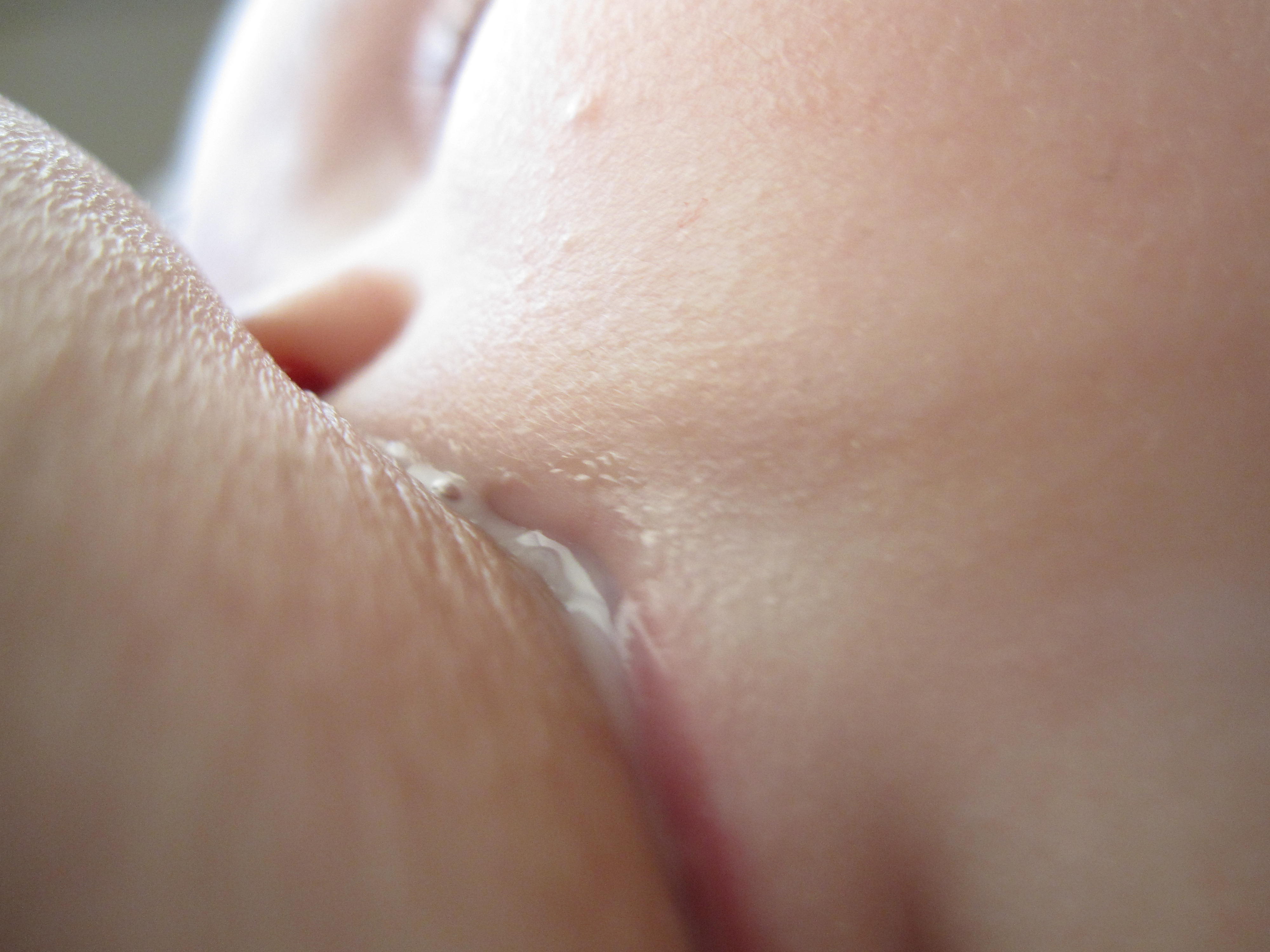
I mean, it’s beautiful, right?
By the time he was a month old, my milk supply was low because milk is made by supply demand; he didn’t tell my body he needed milk, so I didn’t make much. We seemed destined for failure, and for all the research I did I couldn’t figure out what was wrong. I would breastfeed him and then pump afterwards, and even wake up in the middle of the night to pump to get my supply up. I was sleep deprived and desperate. And then I found La Leche League.
I went to my first meeting when my son was 5 weeks old. The meeting was social but I was worried and ended up crying in the arms of a woman who had breastfed three children successfully. She recommended a lactation consultant, and I went. Two minutes into our appointment and the lactation consultant found the culprit: my son had a tongue tie. She sent us to an ENT, who clipped his tongue. And then we started working toward our new breastfeeding relationship.
Once we fixed his tongue tie, my son had spent a month and a half displacing milk from the breast improperly. He had to relearn to nurse. My nipples were cracked and sometimes bled because his latch was poor. I was exhausted from pumping and I was eating oatmeal and drinking teas and taking supplements that were supposed to help me produce more milk. We went to regular LLL meetings, and I found friends there who not only supported my breastfeeding, but helped me get through my struggles.
By the time he was three months old, we’d figured it out. There was plenty of milk, he was chubby and healthy and everything was great. It was a hard battle won. But, finally feeling confident in my ability to breastfeed created a new arena of problems. Now that we had mastered it, I felt secure breastfeeding him wherever we were. We went to the zoo and I breastfed him on a bench. The man I’d sat beside got up, disgusted, and moved away. And I had a cover on.
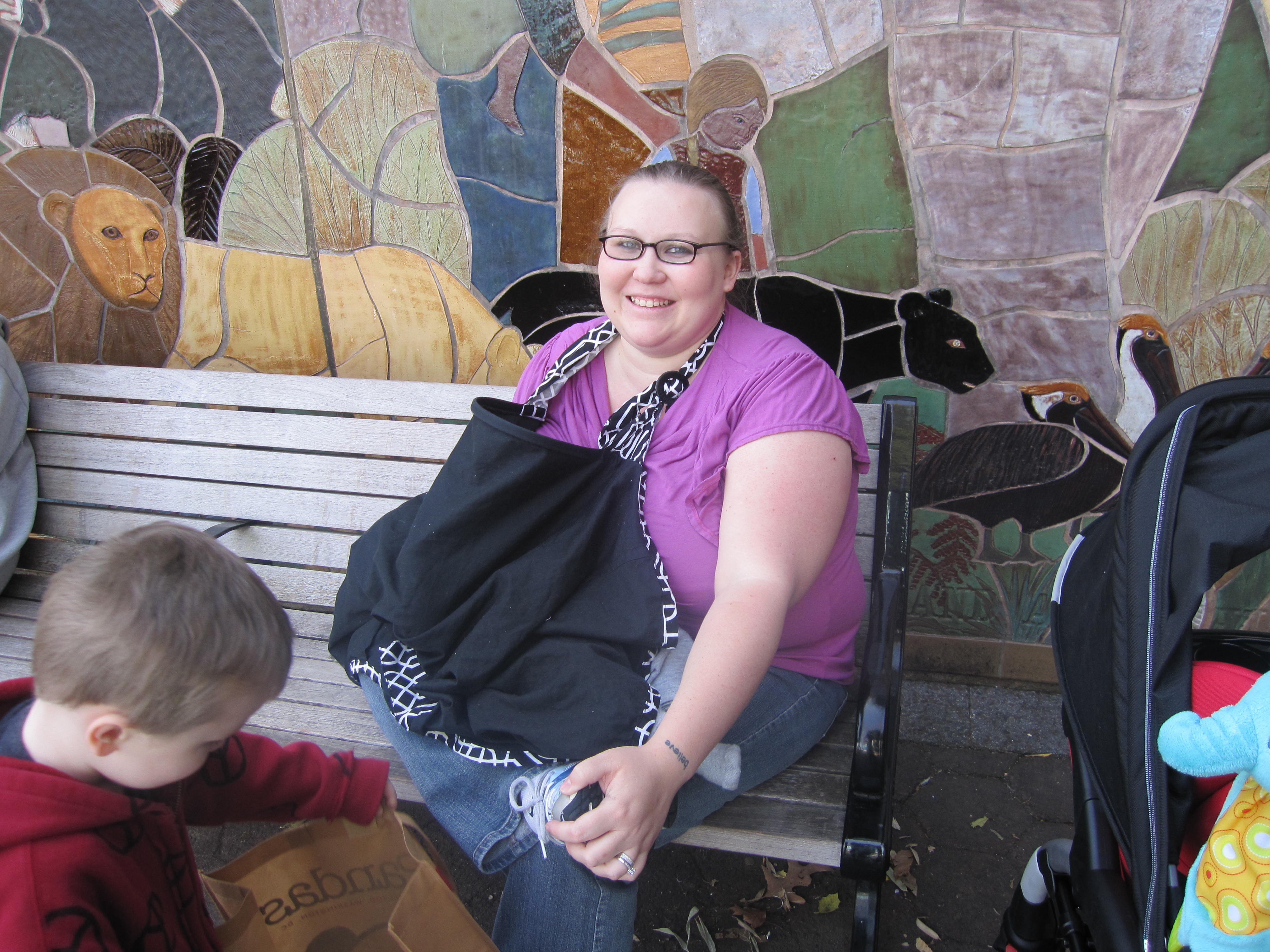
See? Totally covered.
We nursed on trains, at baseball games, at malls, at parks, in the homes of my family and friends. The reactions were mixed. Initially, I never breastfed without a cover; I felt better with it on because I could be less discrete beneath it. In public most people ignored me with my covered baby unless I was close to them. But as he got older, it was harder to use a cover. At home we breastfed without one, and he would eat contentedly and move on. With the cover on, he thrashed and pulled at it, cried, latched on and let go. It was frustrating and difficult to manage and sometimes embarrassing when he’d release with a mouth full of milk that he’d dribble on the floor. I started breastfeeding without the cover, because it made breastfeeding more comfortable for me and for him.
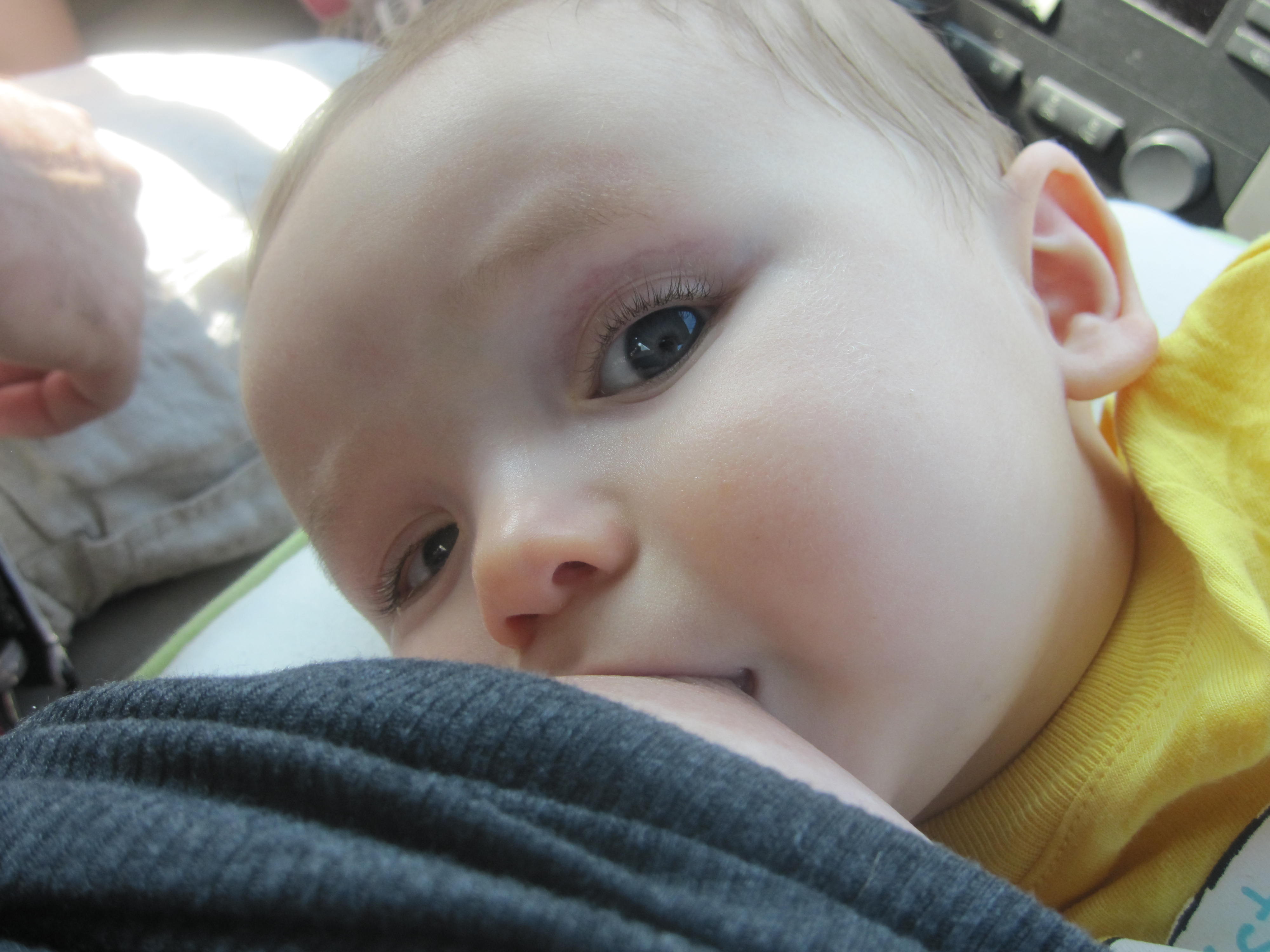
Baby needs to eat when baby needs to eat.
But breastfeeding him in public without a cover meant that we were on display. We were on display before, but now I felt like a criminal. People would hurry past me, or give me dirty looks. I got the old “my son doesn’t need to be exposed to that.” I kept thinking that I was meant to feel ashamed, but I wasn’t. I was proud feeding my son. We had worked so hard to be able to eat lunch peacefully, pleasantly, quietly. When people looked at me with disdain, I wanted to invite them to an alternate universe, the one from those first few months, maybe, where he didn’t grow and I cried with worry that he was malnourished, when I woke my already sleep deprived self to pump. I wanted them to know that this “shameful” nursing session was the result of hard work and determination and that their discomfort wasn’t enough to make me choose to make feeding my son harder. Or maybe I would take them to my first son’s infancy, where he screamed and thrashed because he had reflux, where he cried through his bottles and spit up everywhere, or just cried and cried and cried for hours on end because he had colic. Surely my quietly, discretely nursing 7-month-old wasn’t more offensive than that baby.
And I was confronted with my own previous occasional discomfort with breastfeeding moms, and I felt the shame for the first time. I did need to walk a mile in their shoes to understand how judgmental I had been, but that didn’t excuse how little time I’d spent trying to understand. I was confronted with questions of why I chose to breastfeed, to which I responded “that’s none of your business.” I was confronted with opinions about how rude, gross, distasteful or trashy it was for me to breastfeed “in public.” It wasn’t important that I was legally allowed to do so. It didn’t matter that it was my choice. And for some reason, no one could just see it as feeding my baby (which is how I saw it). I was always either being inconsiderate of others (well, not my son, he never had to endure the torment of being hungry while I searched for somewhere private to feed him) or making a political statement. The latter, that I would nurse in public to make a point, prove something or “because I can” was so frustrating. There I was, on display and vulnerable, knowing that at any moment my son could decide to play and bare my nipple to a shopping mall full of strangers, constantly vigilant of the disgust and hostility I was regarded with while I fed my baby, and somehow I was being ballsy? What was I proving except that I loved my son enough to subject myself to the judgment of others so he could eat when and where he wanted like all of those bottle fed babies? What point was I making by putting myself on display in a world that still can’t separate a sexualized breast from one that feeds an infant?
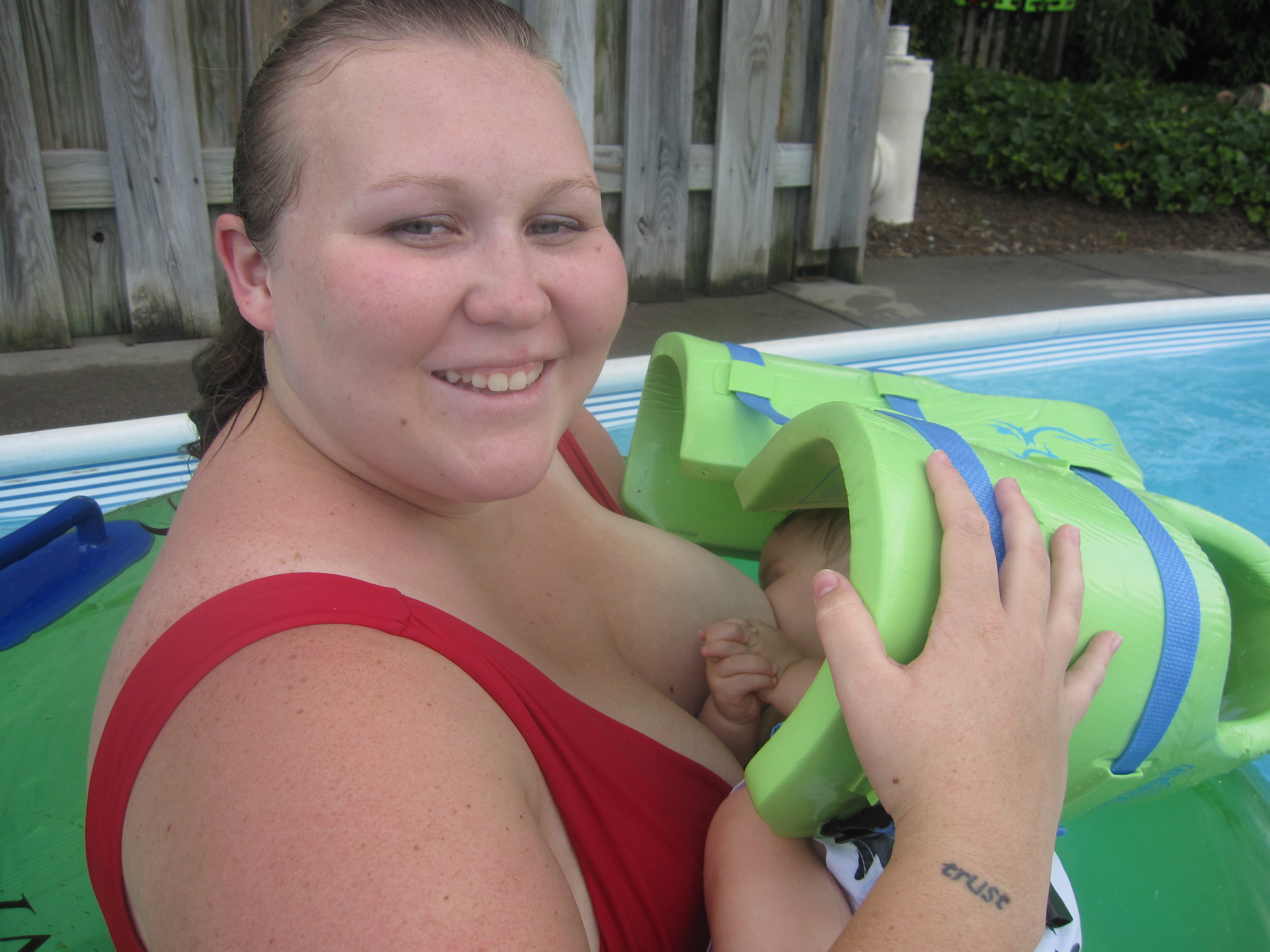
Here I am nursing my baby publicly in a lazy river. How offensive.
I know that nursing in public is sometimes done politically; there’s a mass movement aimed at normalizing breastfeeding, bridging the gap between knowing it’s best for baby and accepting that doing the “best” means breastfeeding in public. But when I was out with my son and stopped to feed him, it wasn’t for the benefit or detriment of anyone. I wasn’t putting my body on display, pulling out my breasts to test the limits of others. My body was on display because others couldn’t tolerate the very normal, very healthy act of breastfeeding. It was a burden I carried willingly so that my son and I could maintain the bond we had worked so hard to build. And I can’t understand it. I can’t understand the level of disgust I was met with, that women everyday are met with. I’m really not sure what my decision to breastfeed has to do with anyone else. I don’t understand the logic that a stranger’s discomfort with a semi-bared breast is supposed to mean more to me than my crying, hungry baby. I probably could breastfeed in a private room, but that meant isolating myself, which felt like a punishment, and I wasn’t going to equate this loving, bonding experience with punishment when I worked so hard to make it what it was. I could have covered him up, but that felt even more obvious, and his resistance to covers certainly was. But mostly, I didn’t think it was my job to address or remedy the discomfort of others. I wasn’t doing anything wrong, and I was not the problem. In a way, then, it did feel political each time I fed him in public. I sat there and steeled myself to the hostility knowing that I was making the best choice for my family, and hoping that if more women did the same, eventually everyone else would just get over the “indecency” of a mom feeding her baby. My hope in sharing my own story is to hopefully cause even one person to stop and think about the real issue with breastfeeding. It’s not the mother, it’s not the boob, it’s not the baby, and it’s not the meal. It’s our inability to separate our social understanding of the body (particularly the female breast) as a sexual object from its functional role as nutritional provider: which sucks, because breastfeeding is hard enough without the added burden of vulnerability when your body is on display.


Pingback: Invasion of the Body Snatchers | Unruly Bodies
Bravo to you! Breastfeeding is incredibly difficult and totally necessary (and so resourceful!). I am so glad you were able to get the support you needed and you were able to successfully nurse for as long as you both wanted to. I thought breastfeeding (once I got passed the bleeding and cracking of the nipples) was amazing. It was beautiful and it made me realize that no matter how hard I try to fight it, this is what my body was designed to do! I never experienced the dirty looks or judgement though and I cannot understand how people can care so much about something that affects them in no way. It’s not like you tried to breastfeed them! I hope more people at least try it, not only for them but for their child and if it doesn’t work out, understand that’s why we have formula and you can still be an excellent mom with or without breastfeeding.
I really enjoyed this. While (as you know) pregnancy makes me so uncomfortable it’s comedic, I’m also fascinated by it. Thank you for sharing your personal experience with breast feeding, for me it always seemed like something that people should be able to do – but I didn’t want to see it. And I think a lot of that came from people around me. But, you’ve certainly given me a deeper perspective on it. I of course now think that people should be allowed to be breast fed in whenever, but you have added parts to it that I never thought about. Like how it doesn’t have to be political. (Which is really important and something I’m starting to realize, that everything I do doesn’t have to be a battle for something) Thank you for sharing your experience with breast feeding – and obviously you have wonderful bonds with your sons. Go you.
also – I just realized that I am ‘tongue tied’ and never knew what it was called!