
The only thing I remember that I wanted to be growing up, was to be white.
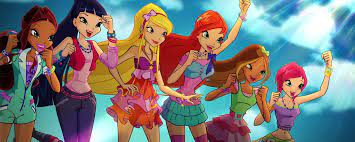
When we pretended to be our favorite characters, for some reason, I always wanted to choose the white girl with blue eyes in whatever girl group, even if there was an Asian passing girl in the group. I especially remember wanting to be Cloe from Bratz instead of Jade or Bloom from Winx Club instead of Musa. For two Halloweens straight, I was proudly Hannah Montana in my cheap blonde wig. I just wanted to be the extraordinary pretty blonde, fair girl. But I was a Filipino with dark brown hair and eyes and tan skin, born and raised here in America.
In elementary school, I rejected the idea of wearing my hair in a bun because I did not want to be associated with Mulan. I did not want to bring rice and cultural food from home for lunch, I wanted the cool Lunchables that every other kid had. I even rejected learning Tagalog because none of my friends at school spoke it, so why should I?
Since middle school, I hated how I looked. I hated my thinner eyebrows, the color of my hair and eyes, the shape of my nose, my skin, my round face, and my body frame. I wanted sharper features. I wanted lighter hair and eyes. No one talks about the beauty of dark eyes, only how gorgeous deep, ocean blue eyes or how beautiful hazel green eyes look in the light. So I wore colored contacts for a while. I bleached my hair many times before settling on blonde. I started working out to get rid of my little stature. But it was not until I listened to a YouTube video with Ashley from Best Dressed in how she spoke about her experiences growing up in America as an Asian American that I made the realization a few months ago:
The things I hated most about myself growing up were the things that made me Asian.
That statement resonated with me. It was the epiphany of how growing up as an Asian in America can brainwash minorities with the Eurocentric beauty standard. I wanted the beauty features of every other race but my own: the natural curves of Latinas, the full lips of Black women, and the sharper features and hair of white girls. But none of which are typically Asian.
But then I fell deeper into the rabbit hole. I realized I did not just reject my Asian side because I wanted to fit in as an American. I rejected it because I did not think I could ever be “Asian enough.” I did not join the youth groups dominated by the Filipinos in my area because I felt like an outcast. And since I never learned the language and embraced it, I am lost in translation when at get-togethers with family or friends. When I go home to the Philippines, (if I can even call it that), the repeated slang “nose bleed” comes up. This phrase means that they were so nervous about speaking English to communicate with me that it caused them a “nose bleed.” But I feel guilty because I failed to learn the language of my tongue.
Along with the fact I have tried so hard to gain weight to fit American standards, I probably don’t fit the Asian beauty standard as well as I used to. I don’t even have the clear glass skin that Koreans have.
I know I look Asian and by blood, I am Asian. But because of the fact I grew up here, I feel like my identity as Asian is seen as diluted by some and that I feel disconnected from that identity. I am desperately trying to hold onto it in efforts to not lose my “Asian card.” I am trapped in the identity crisis of not being American enough or being Asian enough.
I am simply too Asian for America or too American for Asia.


This is something I’ve heard a lot in the last few years. The struggle of being true to your roots and feeling like you have to fit in with the people around you. I worked at an Asian cafe restaurant in my old city and I remember the owner was always dying her hair blonder and blonder. They all spoke mandarin very fluently but the kids were punished if they couldn’t communicate well enough with the English speaking people there. My boss always asked me where I shopped and liked that I looked very “American”. I didn’t mind it one way or the other, but I knew it bothered her daughter. Her daughter really enjoyed her culture and she didn’t like watching her mom change, she didn’t like when her mom wanted her to dress or color her hair differently. But I understand both sides- the mom, my boss was an immigrant and felt like she needed to be American to fit into this middle of nowhere vanilla valley. Her daughter was born in America and didn’t feel like she had to try to be American- she wanted to be closer to her Asian culture. That’s a long way of saying- I’m that’s a really difficult struggle, and it’s human to want to fit in the crowd and be close to your roots, and it’s hard when those feel like two different things. Thank you for sharing- I really enjoyed this post.
A generation ago, we little black girls would put a towel or tee shirt on our heads to pretend we had long flowing hair like the beautiful women who graced magazines. Until recently, the westernized standard of beauty was all we ever saw in the media. American meant white. Everything else was different. I recall my oldest coming home to ask me to straighten her hair because he was the only girl in her class who looked different, and she was constantly asked, “what are you?” Wanting to fit in is totally natural for kids. Especially we the media tells us what American is or what beauty is. I recall hearing Asians of my generation say they never learned their parents’ language because either they wanted to fit in with white American OR their parents didn’t teach them because they wanted them to be American. Many speak of the same issues with bringing cultural foods to school for lunch. I recently watched a youtube documentary on young 30 something American-born Chinese who moved to China with the hope of connecting with their Chinese roots. Only to get there and be constantly told they are NOT Chinese but Americans.