
Disability is anything that hinders your ability to perform specific tasks or just live your life normally. Some people are born with disabilities and those are the ones that are physical. But what about the other conditions we don’t really think of as a disability.
The thought of never being enough or not feeling confident or traumatized by past experiences. All of those things and many more are a part of disability as well. Because they make you feel less of yourself and hinder your ability to ever feel enough or even perform certain tasks accurately. Let’s say you hate your body and to not get judged you don’t go to certain stores in the mall so the people inside the store don’t judge you. No one might judge you but the thought of just being “different” which is either stemmed in you by you or by someone else, gets in the way of you living your life comfortably.
One other example could be some parents putting high expectations on their child and the child trying hard to get to that level. But until that child gets to that level, anything he does before it will just make it seem like he hasn’t done enough. This is when parents should stop expecting things from their children and instead appreciate them for what they have achieved so they never stay in that “never being enough” complex.
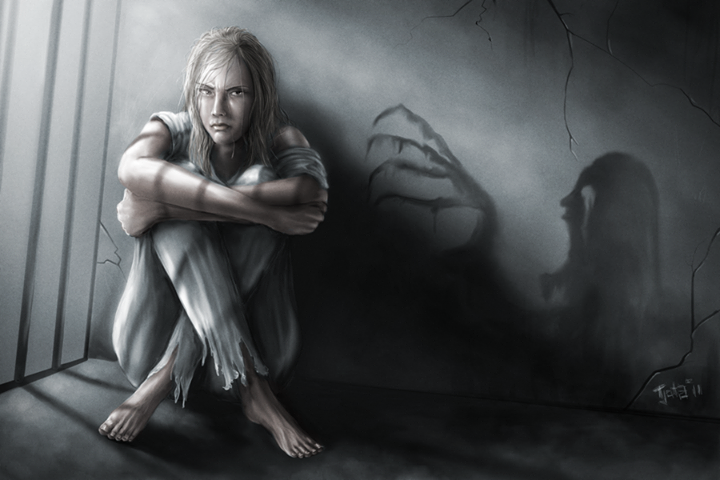
In the end, my point is that every person almost has a disability. The inner demons we all have are our disabilities because those demons make us less able in some situations. The difference is that if the inner demons are worked on, they can go away but other physical disabilities are permanent. So, it will be wrong to say the disabilities we have within ourselves are the same as chronic illness or other serious disabilities. But anything that interferes with our ability to be the normal version of ourselves meaning being at your full potential is a disability.


There is a common misconception that being disabled is only physical. In reality, it can also be a mental or emotional difficulty. For many, feeling like you’re never quite enough or constantly lacking confidence can be an invisible disability. Despite our best efforts, for many people, the prospect of never feeling ‘enough’ can be a paralyzing disability. Everyone experiences moments of insecurity, but for some, I believe it can be an ongoing struggle that affects life’s decisions, relationships, and future prospects. It can also prevent us from fully engaging in our own lives and creating the experiences we want to have.
If society were more forgiving, not only divergent people would have an easier time navigating the world, but all people would. Less people would be ostracized from society for the victimless “crime” of being different, and we could progress as a society.