
This previous summer, I was diagnosed with celiac disease. For those who don’t know, celiac disease is “a chronic digestive and immune disorder that damages the small intestine. The disease is triggered by eating foods containing gluten.” Essentially, gluten destroys the villi in my small intestine. I have been living with this for almost 21 years at this point, but I only got it confirmed less than half a year ago. And I’ve been looking back on a lot of the symptoms I thought were normal.
For starters, there have always been a lot of foods that I never liked, and sometimes felt ostracized for not liking them. This included: plain paincakes, animal crackers, Cheez-its, goldfish, croissants, fortune cookies, pizza, and a variety of other bready foods. A lot of peers would always ask “Wait, you don’t like (insert food here)? Why not? What’s wrong with you?”
When I was in elementary school, I remember getting headaches in the morning after eating breakfast. I brought this up to my parents, but since I had no fever they just assumed I was tired from waking up early. The headaches didn’t stop.
In middle school, the stomach aches started. I attributed it to stress and being overworked with the massive homework assignments we had to do. I had also begun to develop insomnia, which made it hard to get enough sleep at night. We also weren’t allowed to eat in class, so I always made sure to eat an egg for breakfast to tide me over for the four hours until lunch. Even so, I was still hungry. I was still tired. In eighth grade I got into the habit of, whenever the teacher asked how we were, I would calmly respond “tired and hungry”. Eventually she got tired of my complaining, and she had what can only be described as a fit of anger that morphed into a mental breakdown, and by the end both of us were crying (since I was 12 and she was a grown ass woman yelling at me). I stopped complaining after that. The hunger and tiredness didn’t stop.
In my junior year of high school I started developing nausea, but I attributed that to the fact that I was going through my hardest year of high school. The nausea didn’t stop.
Last year, I thought everything was going relatively okay. I still got frequent stomach pains and stopped eating donuts because they made me sick, but I still thought everything was fine. Then I suddenly had a seemingly unprompted mental breakdown. I couldn’t shower for a few days, and it took about a week to eat a portion of food somewhat large enough to call a meal. In the weeks that followed I still couldn’t finish meals. I called my parents to let them know what was going on.
That winter I had a doctor’s appointment, and we found out I had lost 20 pounds. After I explained how I was feeling and she checked my medical record and family history, she suggested I get bloodwork: A full metabolic panel along with testing for thyroid and celiac.
The bloodwork came back positive for celiac antibodies, and the metabolic panel showed that I was pretty damn anemic too. A few months later I got an endoscopy and biopsy; we already figured that I had celiac disease, but they needed to see the extent of the damage and make sure I didn’t have something else like parasites or things like dysplasia (something that, if untreated, can lead to cancer). The good news was that I only had celiac; the bad news was that my upper intestine was flat since all of the villi were basically destroyed, and while it would heal on a gluten free diet, it could take up to a year before it’s fully healed.
So I switched to a gluten free diet, and also read up on the information the doctors had provided. I researched the symptoms and, after everything, it all clicked.
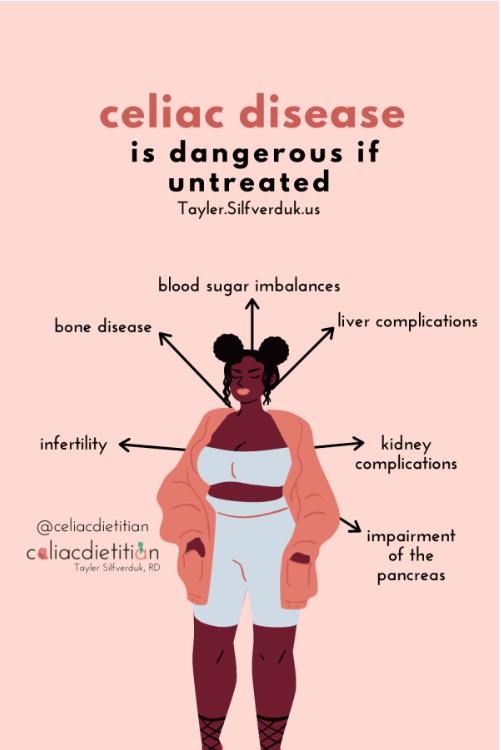
I realized that almost everything I felt was likely contributed to celiac disease. The headaches, stomach pain, insomnia, nausea, anemia, and heightened anxiety are all symptoms of celiac. I was probably hungry and tired all of the time because my intestines were actively and continually being destroyed, and that was causing malabsorption (a type of malnutrition), so I wasn’t getting enough energy.
And one way or another, various people who were supposed to help me brushed me off, and taught me to ignore my symptoms. Particularly in middle school. I remember telling teachers that I had frequent stomach aches, and they were the ones who told me it was likely stress. And for the one teacher: every day I told her I was tired and hungry, and she didn’t care. Every day I was experiencing symptoms of celiac disease, and I mentioned it to her when she asked how we were doing. She knew I ate “enough” food, but she didn’t care that I was in pain, and just wanted me to shut up. She didn’t stop and think “Hey, if a child is hungry and tired all the time, there might be something wrong.”
I am fine with the fact that I have celiac. I’m not fine with the fact that I could have realized it sooner if people just listened to me and took my symptoms seriously.


thank you for sharing your story. I am so sorry you had to deal with individuals completely disregarding your pain and your complaints. It isn’t fair. Especially when you were a child. I was recently diagnosed with IBS which is very common and doesn’t cause damage like celiac disease, but it is still very painful. I’ve had symptoms that you have described for as long as I can remember. I have went through stages of just not eating for days due to the pain I would get afterwards. I now also don’t eat/drink guletin, dairy, and caffeine. I spent years before my diagnosis telling my doctors and parents about my symptoms but they were always ignored and I was told I was being dramatic or there was nothing I could do. It is so frustrating not being heard and Im sorry you have gone through that.