
The subject of neurodivergence is a huge issue, not simply because it reveals the incredible breadth of how the human mind can function, but also because of how that is situated within the intricacies of our very diverse backgrounds and upbringings, infused with social constructions of race, gender, class, and generations. Nature and nurture take on whole new meanings here because they can no longer be perceived as bifurcated aspects of human development. Our neurological configurations are primed and shaped by our environment, and our environments were molded to hold, or not hold, our neurology. In this way, the term “neurodivergent” vastly oversimplifies the entirety of what it means to be something other than neurotypical.
This is the blessing and the curse of having labels to help us define things. When we give something a name, an amorphous concept can suddenly have grounding and shape through language and become a topic of discourse we can then begin to understand it through. Giving language to an inner experience can be hugely impactful in validating what sometimes feels like isolating events that exist only in our minds. However, that very same label can be a restricting device that limits our ability to truly grasp the enormous landscape that a term like “neurodivergent” encompasses. What becomes imperative here is how we allow that word to be representative of something that it cannot possibly adequately convey.
When we think of the Pacific Islands, what does that thought come with? Tropical islands? Palm trees and coconuts? Resorts and vacation getaways? Sunny skies and sandy beaches? Volcanoes? While these are definitely aspects you could find throughout the Pacific, in no way do these elements define what the Pacific Islands actually consist of: nuclear devastation in the Marshall Islands and French Polynesia; phosphate mining in Banaba; military occupation in Hawaiʻi; coup deʻtat in Fiji; island extinction by sea level rise in Kiribati. There is so much history and context and culture to each individual island and atoll, much of which has nothing to do with the greater categorization of these places as a geographic designation. Yet that is often what this region of the world becomes delimited to.
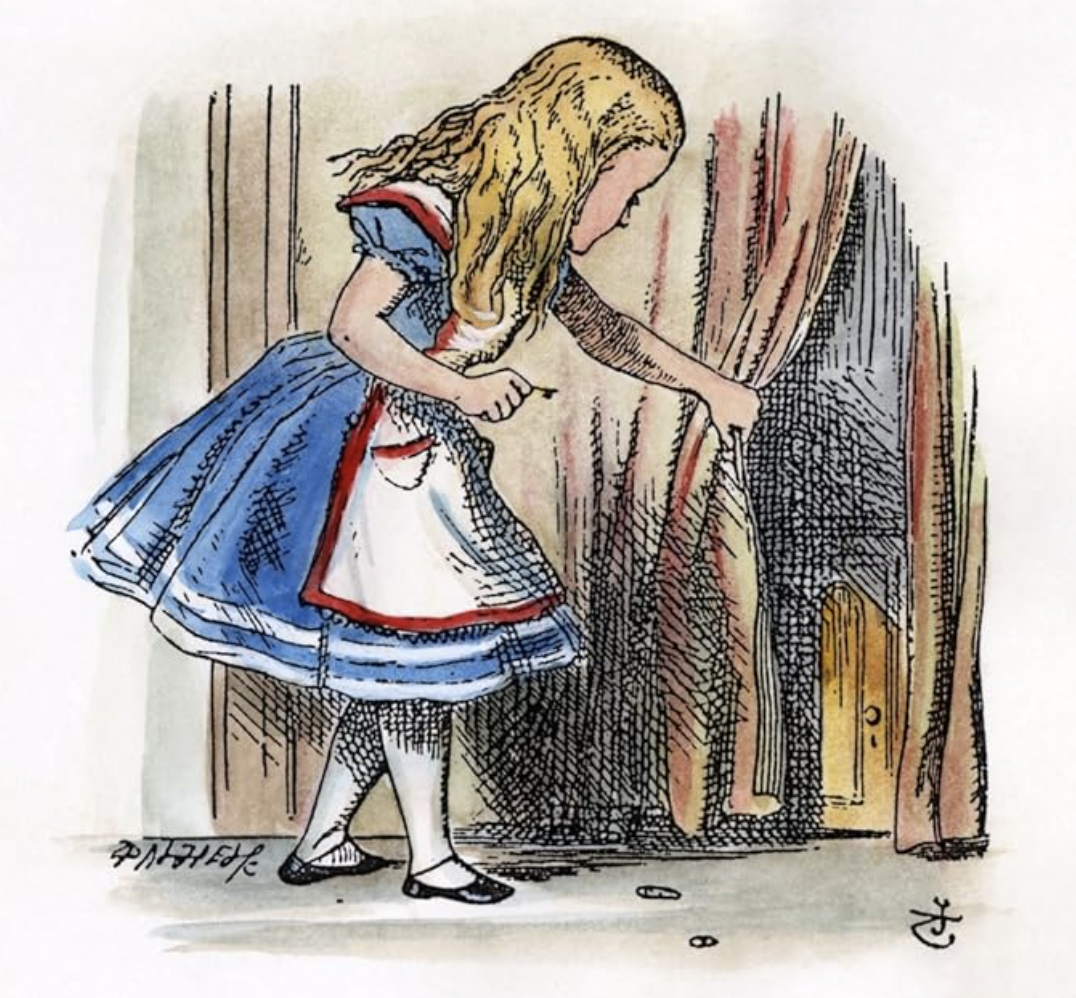
“Neurodivergent” risks having that same delimiting effect. Perhaps what might be helpful is how we view what labels represent. Instead of seeing umbrella terms as something that encompasses many things, maybe we need to understand them as small doorways into whole other realities where new and unfamiliar worlds exist. In this way, the assumption is not that we possess a single word that consists of many elements – an approach to knowledge that suggests what we already know and thus, can simplify – but rather that we can use a single word to help us enter into a space that we must now learn about – an approach to knowledge that centers the possibility of what remains to be known.


Hi, I really like how you speak on how language works to highlight what may not have been previously well known and can simultaneously silence many important realities and histories. I am reminded of Antonio Gramsci’s concept of hegemonic knowledge and what we know to be fact is only fact because dominating structures in society have determined what is legitimate and true. Like you said, it is important to question what is presented as reality because there is often so much more to learn beyond simple labels and popular discourse.
I agree with you, there are a lot of different and nuanced experiences that exist under the heading of neurodivergent, and while they share some similarities and often overlap with one another it can be reductive to generalize them all together like that. I feel this same way about Autism Spectrum Disorder, because it describes such a large range of ways of being that it can almost describe any group of neurodivergent traits. I wrote my blog post about something similar so I won’t belabor that point, but you are write to acknowledge the ways that grouping all these categories of people with different needs together can create problems.