
Background
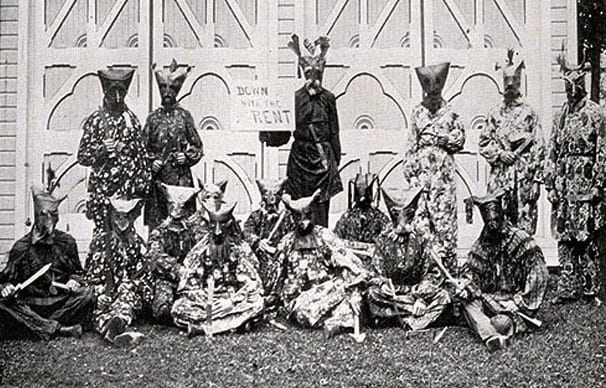
One of the Disability Visibility Project readings titled “Unmasking Mask Hate: The Racial-Criminal Pathologization of Dissent” by Leah Harris and Liat Ben-Moshe brought up the spread of anti-masking legislation and its impending arrival in Maryland. The right to mask at protests is not a new debate; the first U.S. anti-masking law can be traced back to 1845 in New York. That law made it illegal to be “disguised and armed,” though reports on the motivation behind the law can differ by source. According to Robert A. Kahn, a law professor at St. Thomas University of Law, the law was put into place to combat KKK terrorism. The Antebellum (pre-Civil War era) was from 1820-1861, so the timeline seems to check out (Kahn). The Anti-Defamation League also referred to the KKK as the reason for the first anti-masking law in New York (“#UnmaskhateNY Enough Is Enough”). But according to AskALibrarian on NYCourts.Gov, the anti-masking laws were in response to the 1845 anti-rent riots in which farmers were unable and unwilling to pay rising rent prices to their landlord, tension rose between the landlords and the struggling farmers, and what followed was a protest made up of young men and boys of the group dressed up as their interpretation of Native American people rioting against law enforcement (“What Was the New York Mask Law? – Ask a Law Librarian”). The law enforcement officers had come to the farmer bearing legal documents and the intention to sell their land, but the conflict escalated into a riot with multiple deaths (Rey). A detail that helps distinguish the law’s intent is that the Governor who signed it, Silas Wright, has been remembered for his harsh stance against the violent actions of the anti-rent riot movement.
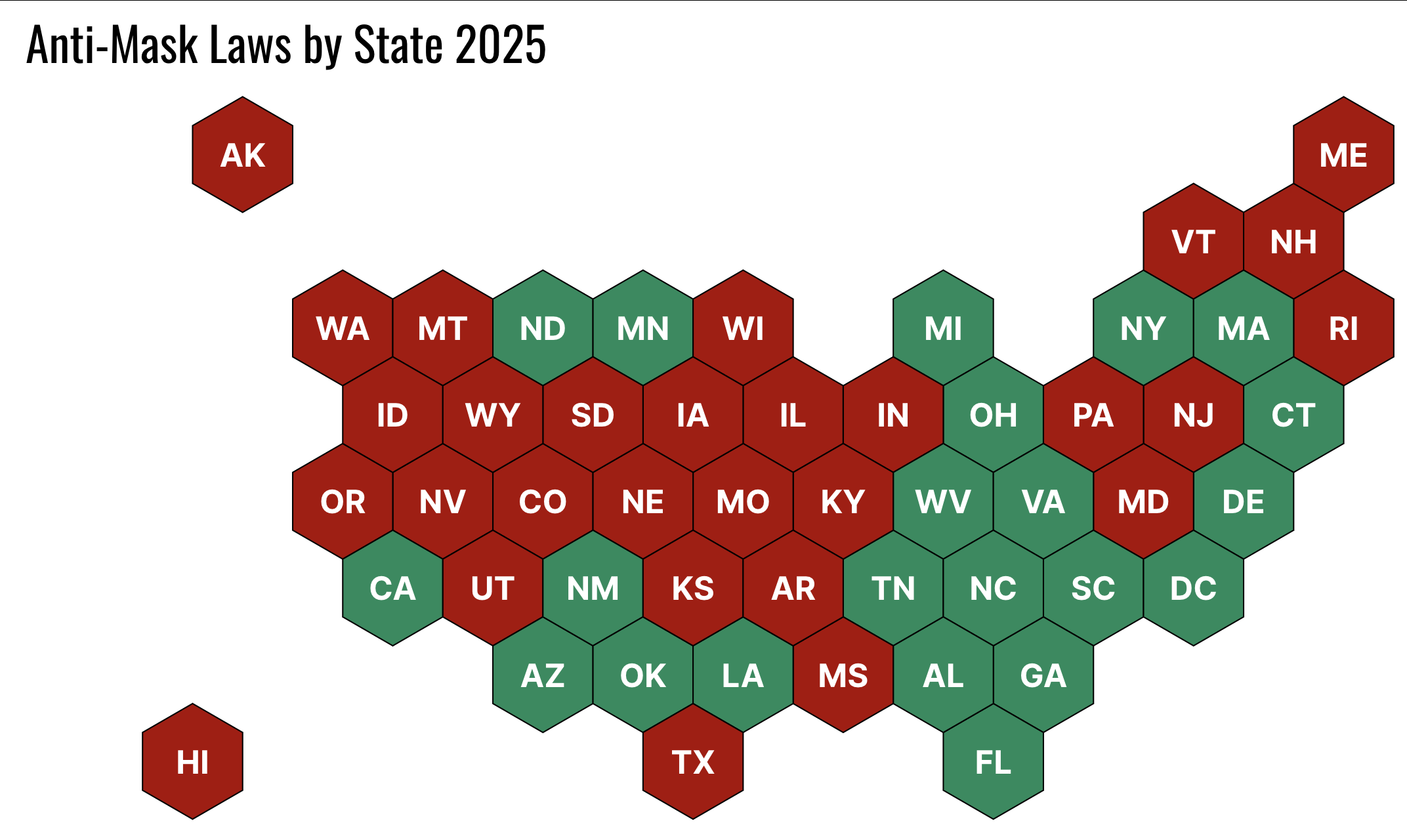
Currently, 22 states have anti-masking laws (“Anti Mask Laws by State 2024”). Most of these laws focus on the intent of the person using the mask, banning the use of a mask for the purpose of intimidating others, loitering, and hiding one’s identity during a crime. Maryland does not have an anti-mask law, but that may not be the case for long. The Masked Intimidation, aka the Unmask Hate Act, has gone through its first reading by the House as of February 2, 2025, and has 9 more steps to go through before landing on the Governor’s desk. Let’s review this law and consider its potential implications for peaceful protestors.
Masked Intimidation AKA The Unmask Hate Act
SUMMARY OF THE LAW
The anti-mask law prohibits people from intentionally intimidating, harassing, or threatening others when wearing a mask to obscure their identity. The law outlines excusable reasons a person may be wearing a mask: holiday celebrations, protective equipment for a trade, weathering elements, religious purposes, or to prevent the spread of an airborne illness (“Legislation – HB1081”). At first glance, this law seems like it could help with the issues of political violence, racial violence, and hate crimes, but how will this be used in the legal and judicial system? Does a peaceful protest count as intentional intimidation to some police officers and court officials? Are the potential 90 days of imprisonment or $500 upon first offense meant to deter dangerous extremists or silence activist action?
UH, WHO WROTE THIS?
To better understand legislation, I research the person behind it and their values. This law was proposed by Delegates Boafo, Simpson, Toles, and Vogel, all from the democratic party. Delegate Boafo has contributed to notable laws around protecting underserved minority communities. Most notably, the Maryland Values Act, which puts strict rules against ICE entering private areas of sensitive areas if they don’t have a judicial warrant (“Legislation – HB1222”), and the Eric’s ID Law, which gives disabled adults the option to add a butterfly to their Maryland ID as a way to communicate to cops that they have a hidden disability (“Legislation – HB0707”). Delegate Boafo’s work towards anti-discrimination legislation in Maryland suggests that this newly proposed law was intended to prevent antisemitic masked intimidation incidents, as outlined by the Anti-Defamation League about perpetrators in New York (“#UnmaskhateNY Enough Is Enough”). But, with a few cases of protestors being arrested at rallies, and the current president putting out social media statements including “MASKS WILL NOT BE ALLOWED to be worn at protests” and “What do these people have to hide, and why???”, who’s to say that this law won’t be interpreted differently than Delegate Boafo may have originally intended (Harris and Ben-Moshe).
…So, Do We Love It or Hate It?
This law is in its first of many steps before it reaches the governor. More information and official writing on how this could affect peaceful protestors is needed. What do you think about this law?
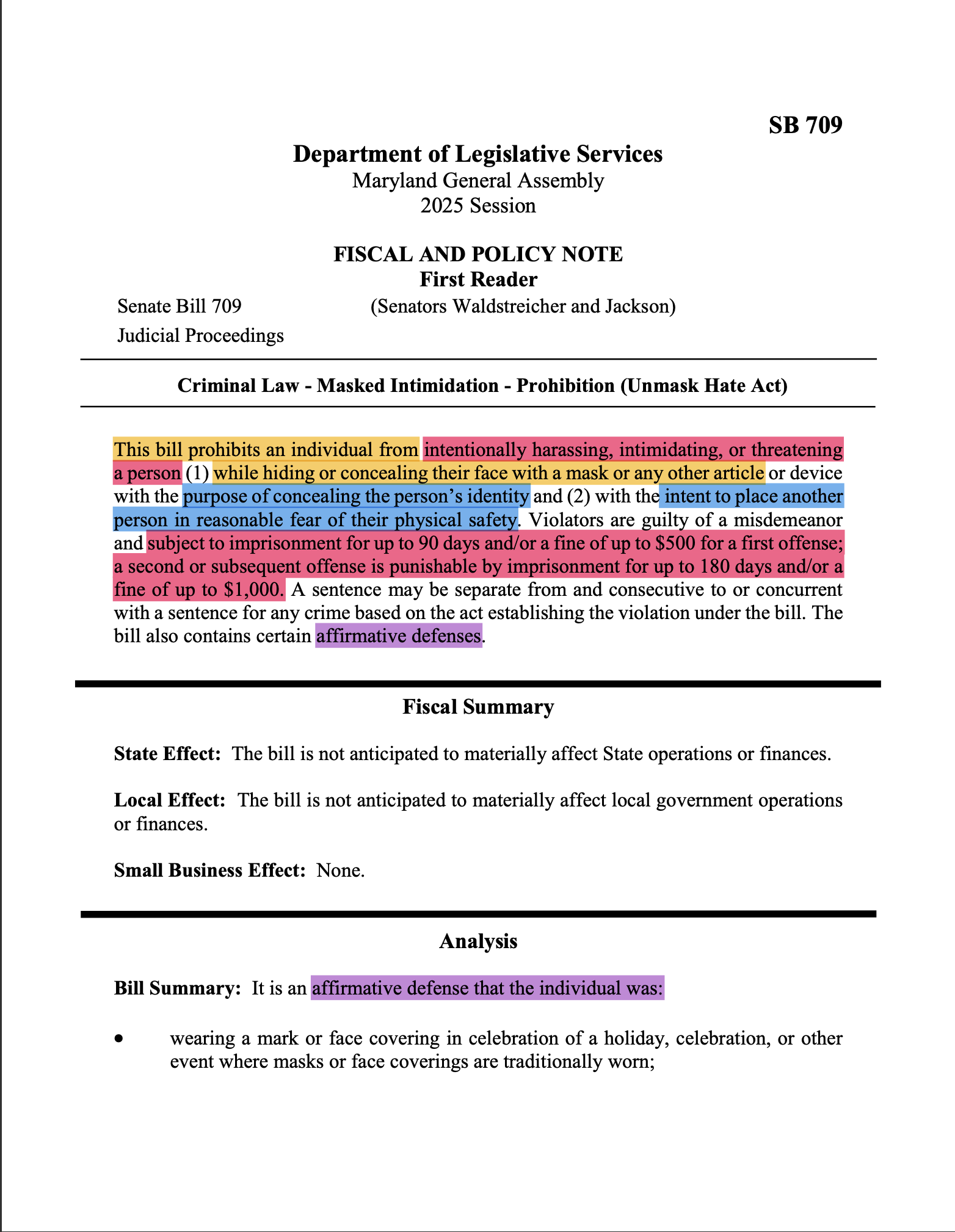
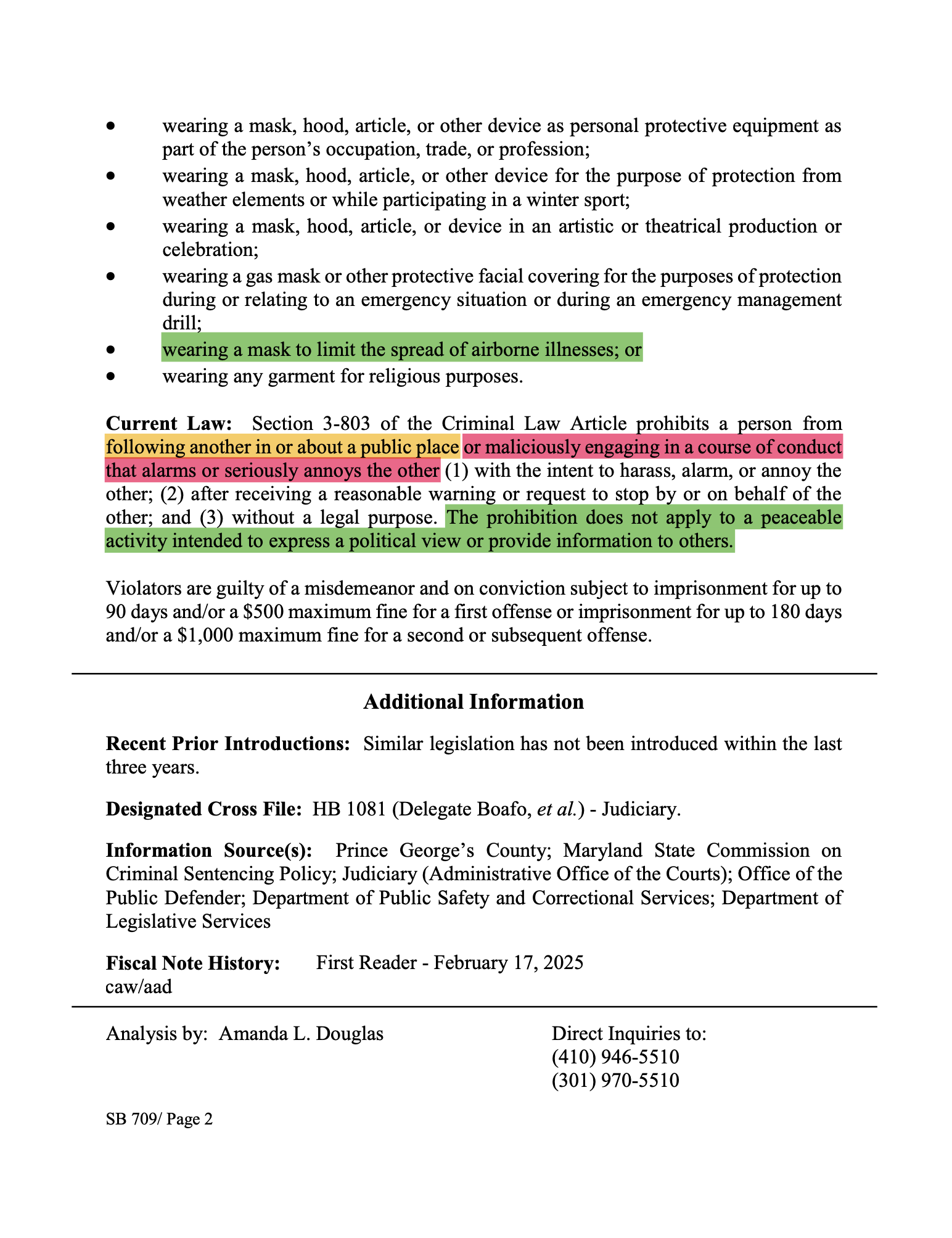
(“Legislation – HB1081”)
Works Cited
“#UnmaskhateNY Enough Is Enough.” Anti-Defamation League, http://www.adl.org/unmaskhateny. Accessed 8 Oct. 2025.
“Anti Mask Laws by State 2024.” Worldpopulationreview.com, 2025, worldpopulationreview.com/state-rankings/anti-mask-laws-by-state.
Harris, Leah, and Liat Ben-Moshe. “Unmasking Mask Hate: The Racial-Criminal Pathologization of Dissent.” Disability Visibility Project, July 2025, disabilityvisibilityproject.com/2025/07/13/unmasking-mask-hate-the-racial-criminal-pathologization-of-dissent/. Accessed 8 Oct. 2025.
Kahn, Robert A. “Anti-Mask Laws.” The Free Speech Center, 9 Aug. 2024, firstamendment.mtsu.edu/article/anti-mask-laws-mask-bans/.
“Legislation – HB0707.” Maryland.gov, 2025, mgaleg.maryland.gov/mgawebsite/Legislation/Details/hb0707?ys=2025RS. Accessed 11 Oct. 2025.
“Legislation – HB1081.” Maryland.gov, 2025, mgaleg.maryland.gov/mgawebsite/Legislation/Details/hb1081?ys=2025RS. Accessed 11 Oct. 2025.
“Legislation – HB1222.” Maryland.gov, 2025, mgaleg.maryland.gov/mgawebsite/Legislation/Details/hb1222?ys=2025RS. Accessed 11 Oct. 2025.
Rey, Oskar E. “Antimask Laws: Exploring the Outer Bounds of Protected Speech under the First Amendment—State v. Miller, 260 Ga. 669, 398 S.E.2d 547 (1990).” UW Law Digital Commons, 31 Dec. 2018, digitalcommons.law.uw.edu/wlr/vol66/iss4/10/. Accessed 8 Oct. 2025.
“What Was the New York Mask Law? – Ask a Law Librarian.” Nycourts.gov, 2020, askalawlibrarian.nycourts.gov/legalresearch/faq/410210.


The anti-masking laws serve as a potential threat to bodily autonomy, and the guidelines seem unclear. Although it states that it prohibits an individual from intentionally harassing, intimidating, or threatening a person while concealing their face, I feel as though this could be very easily turned against people. Police enforcement or otherwise could argue that it is subjective; there are many cases in which police have committed brutality against those who truly have no intent to threaten or harm anyone. If a police officer claimed that there was a threat, who is more likely to be listened to: an authoritative figure or a protestor?