
Limitarianism. is a concept I encountered in one of my classes this year, and it has stuck with me ever since. A quick summary of limitarinism is that it argues that there should be a limit to how much wealth any individual can accumulate. We constantly hear claims that “there isn’t enough room in the budget” or “there simply aren’t enough resources” whenever social problems arise, but I refuse to accept those statements at face value. The truth is that scarcity is often manufactured. The number of people who have suffered or even died unnecessarily is devastating, not because their problems were unsolvable, but because the solutions were deliberately withheld because of greed. A small portion of the population controls an absurd and unjust share of wealth. Redistributing that wealth into public programs could revolutionize society and drastically improve the quality of life for the average person.
In the text “Framing Long Covid Through Patient Activism in the United States,” we follow a father who expresses deep frustration at no longer being able to fulfill the role he once had before developing long Covid. His struggle is not only physical but financial, revealing how illness in America often leads directly to economic hardship. What makes me frustrated however is that these forms of suffering are treated as inevitable. We see cases like his and respond with sympathy or admiration for the individual’s resilience, yet we rarely question why such suffering exists in the first place. If we allocated tax revenue more effectively and, more importantly, if we regulated how much wealth individuals and corporations are allowed to accumulate—these problems cease to exist to the level they are at now.
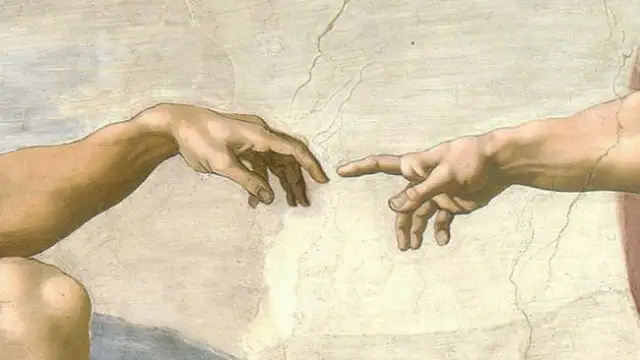
There is a kind of soft-core suffering embedded in our current system, an illusion that sacrifice is necessary, that we must simply make do because resources are limited. But that illusion is intentional. Change is just a finger tip away yet we see excuses rise frequently. The average worker is being exploited and conditioned to believe there is no alternative. The only reason we cannot access that help is because the ultra-wealthy and the systems designed to protect their interests refuse to extend it. Instead, they rely on excuses, fear-mongering, and division to maintain the status quo.


Refusing to accept blanket statements such as the ones you outlined in your blog post is a good first step to researching what lays behind them. If there aren’t “enough resources”, why not? How are there not “enough resources” when one person holds an abundance of them? Our society is full of systemic disadvantages that have been in place for centuries, and when they have been so firmly lodged in place for so long, it can be incredibly difficult to tackle them at the root – you can’t transform concrete once it’s dried, you can only rip it back up and start from the beginning.
I like when in class Dr. Kate drops something that is totally cool and not the way I had though about something earlier. Like when in class someone was talking about their experience with a queer individual who was being exclusive and then Dr. Kate was like wow I don’t have those people in my life. I have had 50 years to curate the life I am living and the people in it.
And it’s like duh! that’s what living and aging is. A curation. So pretty.
Anyways I like when in class Dr Kate reminds us that borders and rules are made up by us and people have control over those changes. There’s nothing that the universe or god or any power beyond human power that says rules need to be the way they are.
I really love the insight in this post, it reminded me so much of the video documentary that we watched on prison hunger strikes, how the change that they wanted was so simple, to literally be treated like human beings, and there would still be excuses that would arise. There is so much of an ignorance is bliss mentality when it comes to change even though we all know what the solution is.
This piece was very insightful to me. I took sociology 101 this semester and to hear the topics talking about real people going through real suffering and for it to just be a statistic or said to be for the “greater good” always disgusts the empathic side of me. It’s truly awful how the government chooses to let the rich get richer by hurting the people who are already down.
Huge Yes to all of this. We often are met with a, “that can’t be done” when talking about solutions to problems like wealth disparity. I think we as members of this society desperately need to start asking why that is.
This gave me a feeling of how cruel this world is. We have all control but yet are made to believe that we don’t because of greed. With just the snap of our fingers we can change anything. Of course we are not led to believe that because those above don’t want to become those below. We give too much power to people who have no reason to have it and nothing is what it seems to be. Say one day we decide to not follow the rules anymore? They can’t stop us all.