The illusion of sacrifice

Limitarianism. is a concept I encountered in one of my classes this year, and it has stuck with me ever since. A quick summary of limitarinism is that it argues that there should be a limit to how much wealth any individual can accumulate. We constantly hear claims that “there isn’t enough room in the budget” or “there simply aren’t enough resources” whenever social problems arise, but I refuse to accept those statements at face value. The truth is that scarcity is often manufactured. The number of people who have suffered or even died unnecessarily is devastating, not because their problems were unsolvable, but because the solutions were deliberately withheld because of greed. A small portion of the population controls an absurd and unjust share of wealth. Redistributing that wealth into public programs could revolutionize society and drastically improve the quality of life for the average person.

In the text “Framing Long Covid Through Patient Activism in the United States,” we follow a father who expresses deep frustration at no longer being able to fulfill the role he once had before developing long Covid. His struggle is not only physical but financial, revealing how illness in America often leads directly to economic hardship. What makes me frustrated however is that these forms of suffering are treated as inevitable. We see cases like his and respond with sympathy or admiration for the individual’s resilience, yet we rarely question why such suffering exists in the first place. If we allocated tax revenue more effectively and, more importantly, if we regulated how much wealth individuals and corporations are allowed to accumulate—these problems cease to exist to the level they are at now.

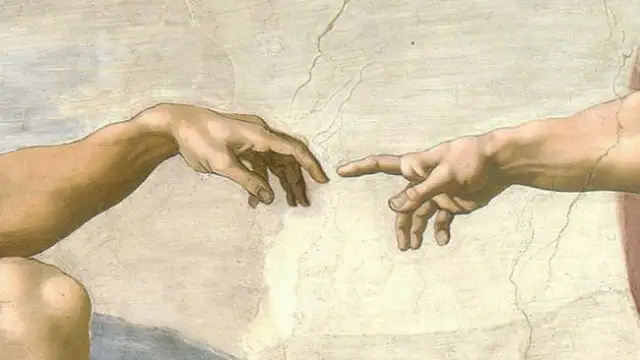
There is a kind of soft-core suffering embedded in our current system, an illusion that sacrifice is necessary, that we must simply make do because resources are limited. But that illusion is intentional. Change is just a finger tip away yet we see excuses rise frequently. The average worker is being exploited and conditioned to believe there is no alternative. The only reason we cannot access that help is because the ultra-wealthy and the systems designed to protect their interests refuse to extend it. Instead, they rely on excuses, fear-mongering, and division to maintain the status quo. 
Hunger strike for the evening

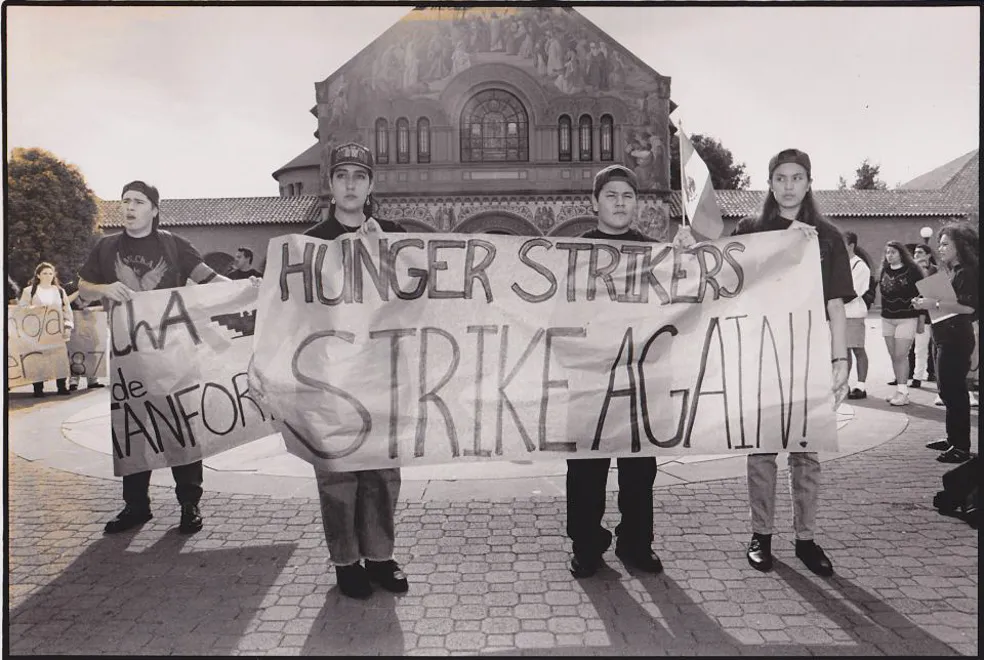
A hunger strike — what is it exactly? According to Google, it is “a prolonged refusal to eat, carried out as a protest by a prisoner.” I find the whole concept of a hunger strike very interesting. Why would we, as humans, intentionally refuse to eat as a form of persuasion or protest? At first, it seems strange, but maybe it’s not as unusual as we think.

Think back to when we were kids. Have you ever had a moment when your parents said, “You can’t leave the table until you finish your food”? That used to happen to me all the time, and I can confidently say that I would stand my ground. I’d sit at the table for as long as it took, not taking a single bite until my parents agreed to let me eat something I made for myself.

Now, let’s go back to the definition. The first part mentions a “prolonged” period of time — would an evening be considered prolonged? Probably not. And the second part mentions a “prisoner.” Would I be considered one? In a way, maybe. I wasn’t locked in a cell, but being unable to leave the dinner table could feel like a small form of imprisonment, especially since I didn’t want to face the consequences of disobeying my parents.

So, considering these two factors, I wouldn’t call an evening of childhood stubbornness a hunger strike. However, this small example might help us understand something deeper about human nature. Even as children, we use our bodies — in this case, refusing to eat — as a way to express resistance and assert control when we feel powerless. On a larger scale, hunger strikes work the same way: they become a form of protest when words or actions no longer seem enough to make change.

I don’t want to live in a hole anymore

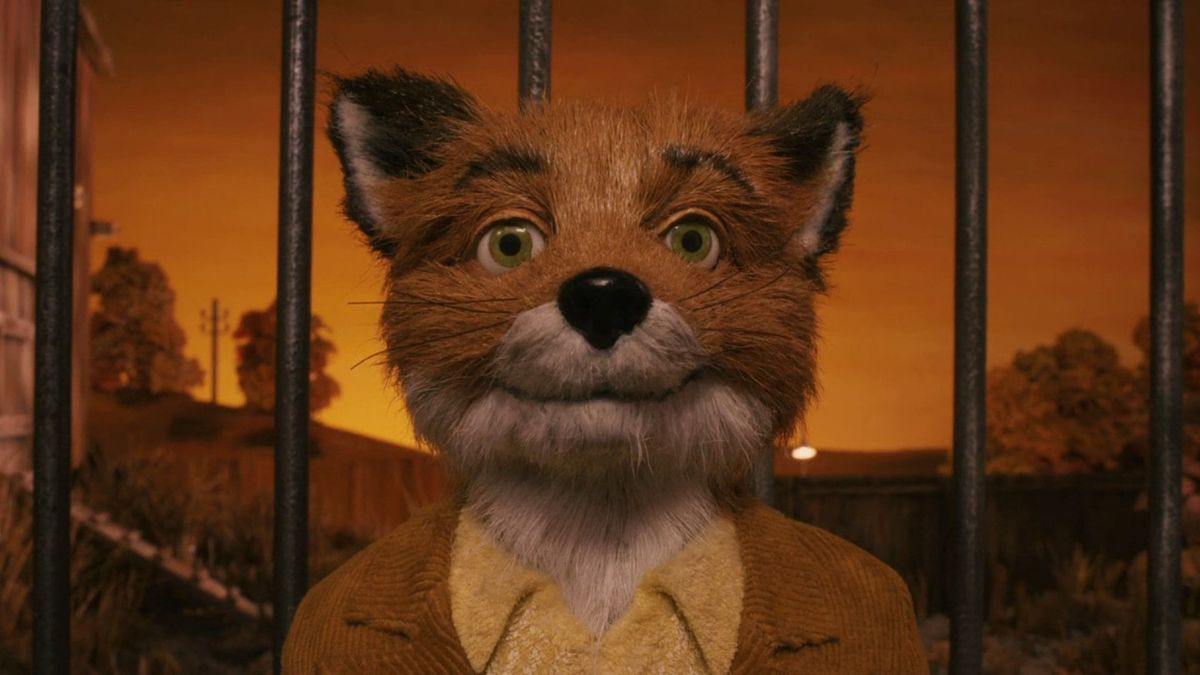
Fantastic Mr. Fox a movie made in 2009 that depicts a fox who changed occupations to provide for his family in a safer manner… Until he’d gotten tired of his role and wanted something new. The hole he lived in where he had a normalized routine became insufferable. He didn’t want to live in a hole anymore. When we get normalized to being portrayed in a certain way or stereotypes we get accustomed to hearing we unconsciously may begin to adapt this perception onto ourselves. We put ourselves into a hole metaphorically. I don’t want to live in a mental hole

When I was younger I was often seen as to be one of the “smart kids” much of this was attributed to the fact that I was Asian more specifically brown where the internet often associates a common stereotype of brown people as being “smart” this was something that people had repeated towards me so much as a kid that it stuck to me, I gave myself a label. This label that I had given myself became detrimental as if I couldn’t adhere to the standards of being a “smart kid” I would lose value in myself. This is a common problem that comes along with labels we tend to put on ourselves. We try to stick to them as much as possible but when we don’t meet someone else’s standard of what that label means we are looked down upon or we are expected to act a certain way because of the label we have. 

Lowercase q brings up the example of labels throughout the chapter, for some it can be fulfilling, being finally able to understand yourself and be a part of something. But to others it can feel claustrophobic as if you are being put into a type of position. Labels are a double-edged sword and can be both beneficial and harmful. The choice whether or not you want to put a label on yourself is entirely on you but it’s not something that permanent and it’s something you can always change. 

A New Breath

Recently, over the summer, I began trying out sprinting and running. I’ve never really enjoyed the idea of doing cardio; what could possibly be so enjoyable about running in a circle or running long distances? Nonetheless, I gave it a shot anyway, and to my surprise, it was one of the best feelings imaginable. Don’t get me wrong, the actual running part was horrible. I felt like I was going to collapse at any moment, but the feeling of not giving up and completing what I set out to do at the first point was an amazing feeling that I just wanted to run after (no pun intended). What amazed me the most, however, wasn’t the liking I took towards running but how my body kept adapting. I would avoid taking the steps to classes because I hated the feeling of being out of breath, but the stairs no longer caused that reaction out of me. I began to experience things differently, with all the running I was doing, I noticed that I was more eager to go eat then before. I noticed how I started preferring taking longer routes to my classes just so I could get more steps in, and overall, I noticed how much happier I was. As my body adapted more and more to longer distances and faster paces, my perception of time and distance changed. I could judge things based off how far I personally could run in a certain amount of time, if I could beat a car in traffic to its destination, and my sense of rhythm seemed to get better as well. My perception of the world around me changed drastically and it felt like I caught a new breath of life.