So I am taking a sociology of death and dying class currently, and a lot has stuck out to me. There is this thing called “advanced care planning” which involves things like DNR’s, advanced directives and setting a legal healthcare proxy. Through this class I not only thought about this for myself; I considered sociocultural aspects of planning for worst case scenarios. As a disabled person, I end up in some scary healthcare situation, and often have to think about what happens if I end up unconscious and unable to make my own decisions. Then throw being queer and living a ways away from family on top of that, and it really makes one think. So I have discussed my wishes extensively with family as well as my partner, but that does not mean all is fine and dandy. The family aspect isn’t really an issue when it comes to this as there are inherent legal protections involved with family making medical decisions for a loved ones. For straight couples, an opposite sex partner is often regarded as someone trusted to make some decisions, and in marriage those protections are even more solid. When it comes to queer couples, we face inherent stigma, and less marriage protections. In my particular situation, my family could get to me in an emergency in roughly an hour in perfect conditions. That is an hour unable to have my wishes known if I am unconcious. On the other hand, my partner is much more local. If it was a boyfriend being the emergency contact and someone to speak for me, it wouldn’t be as big of a deal. But I am with a woman, a trans woman at that. This scares me as our relationship will likely be taken less seriously. This is a very common fear for queer couples, as demonstrated in research. A study done by Thomeer et. al studies the occurance of legally binding advance care planning in queer vs straight couples. I will try and link it for the readers out there. Anyways, the researchers found that queer folks are significantly more likely to have legal documents in place, likely due to fears I have highlighted above, supporting my argument that queer folks face healthcare inequality and that is one of many ways sociopolitical factors hurt queer people.
Author: mybodyisaforestfire
Harm reduction and social stigma
So, it has taken me a while to write this due to not knowing what to write about, and this post may turn into a ramble. Anyway, let’s get into it! I figured I would talk about harm reduction because that is something I am a big advocate for. Harm reduction is the practice of intentionally making choices to be safer in harmful behaviors. One example of this is using condoms for hookups. It is not often seen as harm reduction because of how normalised hookup culture is. You can still get hurt emotionally from hookups, but condoms make it less likely to get pregnant or transmit STDs. I personally volunteer in the realm of harm reduction by means of being lead of the medical team for a local rave collective. People will inevitably get too drunk, or take too much of a substance or get dehydrated at a rave, and our job is to assist these people and help keep them safe. There are risks to drinking such as impaired judgement that can make it more hazardous to get to your ride, or posing a health hazard by vomiting everywhere, and we mitigate that by helping people to their rides, providing and holding trash bags and monitoring people that black out. Every med volunteer has narcan (an opiate overdose reversal agent) due to the prevalence of laced substances, and is educated on how to use it. We also provide and assist with testing for fentanyl and xylazine in substances. These things prevent and respond to overdose. In terms of other substances, we also have syringes and clean straws. We cannot mitigate the risks that the drugs will have on the body, but we can at least respond to its effects. People often demonise harm reduction, calling it enabling but that really is not the case. There is so much stigma around drug use, often seeing addicts as less than human, or not worthy of help because they “did it to themselves.” This completely overlooks the societal and personal reasons as to why someone started using substances. Another thing that surprises people is the fact I don’t preach sobriety to anyone despite being in a twelve-step program. When working in the medical tent, I ask people seeking help what substances they may have taken so I can better assist them. I have to explain that am not going to judge or get anyone in trouble, I just need to know so I can better monitor symptoms and assist. The fact that people are hesitant to tell a medical volunteer at an event that is very against law enforcement presence what they have taken speaks a lot to the stigma around drugs, as well as how prison-happy law enforcement is. People are inevitably going to drink, use drugs and have sex, no matter what our personal opinions on it, but we can help these people be safer. When it comes to people with substance use disorders or chronically use a substance, I have the mentality of keeping them alive long enough to choose to change their ways, we cannot force sobriety on anyone. (If anyone is interested in narcan training or obtaining narcan, please let me know, I can connect you with resources.)
Why are breasts so sexual?
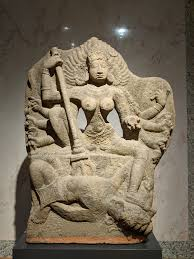
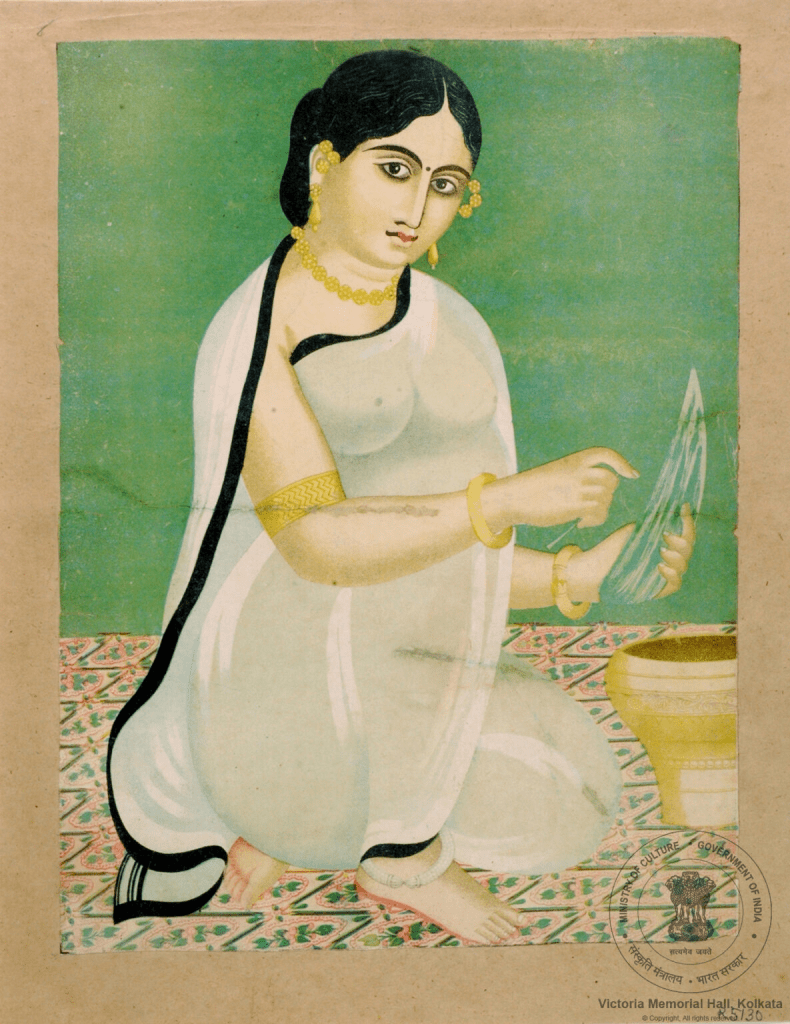
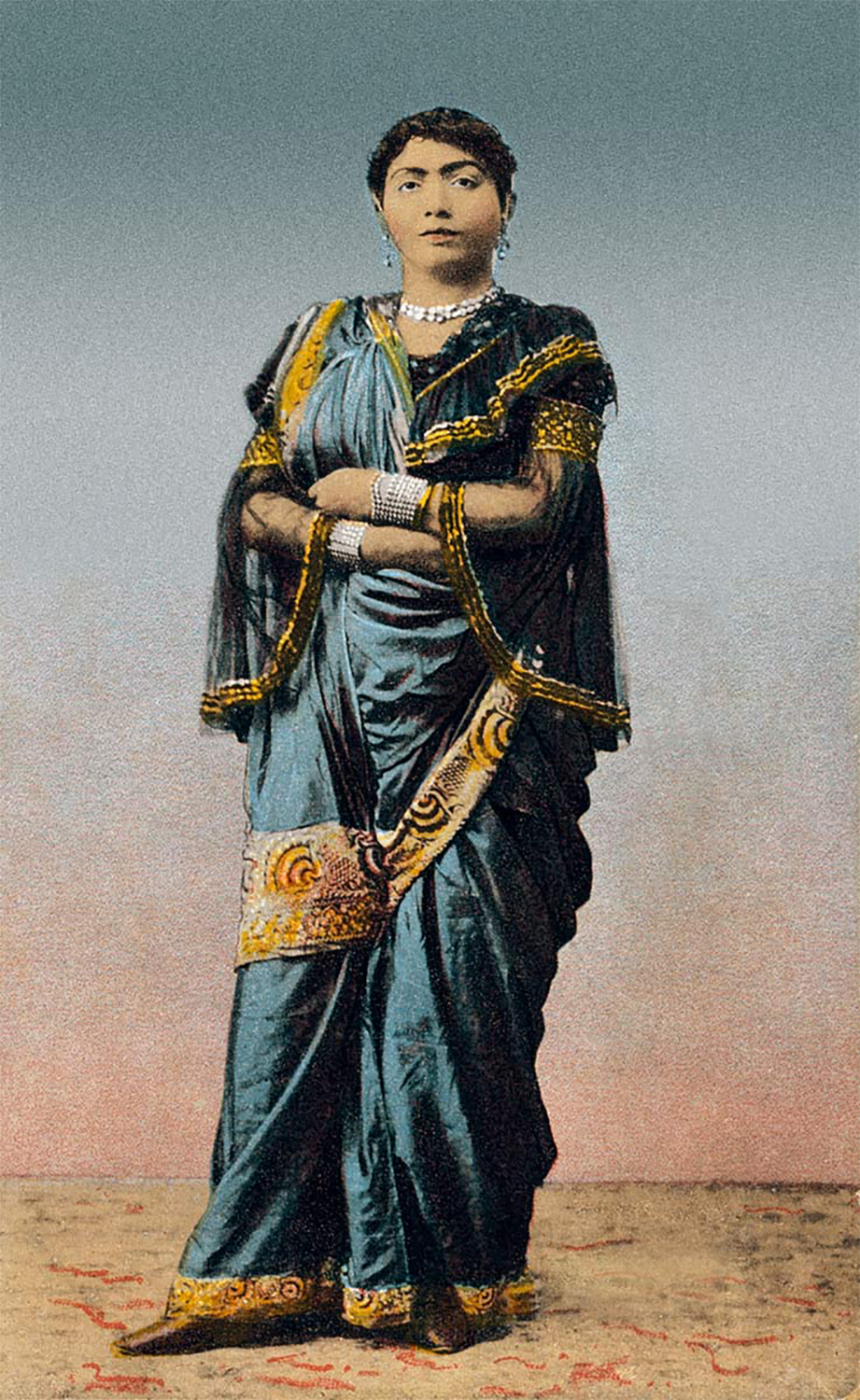
Growing up Baptist, I was always told that my body was to be hidden, especially the breasts. I always wondered why that is. AFAB people have breasts, consisting of tissue and mammary glands to give life, to feed their young. Why is that sexual? As a lesbian, I understand the appeal, but once again, why is there such a deep seated sexualization of these two orbs of tissue? An example of the sexualization of breasts is seen in the change of saree styles pre and post British rule in India. Before the western influence, sarees were often worn without a blouse under it, simply consisting of a long piece of cloth draped around the body. With the British rule came the western ideals of modesty, leading to sarees being worn almost exclusively with blouses in the modern day, ensuring there is no breast visible. I remember being 15, babysitting for an Indian family that taught me this. The mother who is now a dear friend of mine showed me historical portraits of Hindu deities, many of which had breasts visible, specifically the goddess Durga. She is a warrior goddess, seen as a symbol of feminine strength, depicted in ancient sculptures with breasts uncovered, the breasts being a part of symbolizing feminine strength. In this sculpture, she is seen slaying a buffalo-headed beast called Mahisha. (See photo.) Durga was a fierce warrior while simultaneously being a symbol for motherhood and maternal love. She is the Hindu maternal protector of the universe itself.
The first photo is a painting of a woman wearing a saree in the 19th century. The second photo is of a woman wearing a saree in 1910.
Breasts themselves are not sexual, rather they a reflection of the broader societal issues regarding women’s bodies. Sexualizing breasts gives men power over them by making women uncomfortable with them being visible or sexualised, leading to a change in women’s behavior, in this case, covering the breasts. If men are ogling something about your body, you will feel pressured to hide it, therefore the men have the power over what of the body is shown. It all goes back to the patriarchy.
Phenomenology Field Research
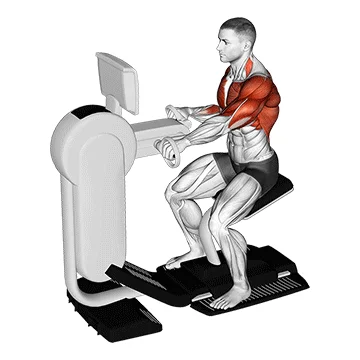
The gym is such an interesting place from an academic’s point of view, as each person experiences it differently. So as a fem-presenting disabled person, I decided to do some field research in regards to the gym (aka I needed an excuse to suck it up and go) So off I went in my wheelchair, leg braces in tow to get some walking practice in. As I arrive at the RAC, I am greeted by the out of order door opener!! What a great start… way to encourage disabled people to be active. I got some (a lot of) stares, because disabled people being active is outside of the norm to which people perceive. Where I see opportunity, and things I can do and adapt, able-bodied people see what I can’t do, and get all surprised when I do something outside of their idea of what disabled people are capable of. To me, I was just minding my business working out, but to others, I may have been perceived as inspirational or extraordinary simply because of phenomenology. What I experience and the people around me experience are two totally different things. Going to the gym is normal for me, whereas its not “normal” to see a disabled person in the gym for many able bodied people, making it seem out of place in how they experience the world. I also experience gym equipment differently, and it is evident that those who designed the gym and it’s equipment designed it from their own experience. For starters, there was a hand cycle in the gym (think of a stationary bike, but with the pedals at about shoulder height, a photo will be attatched) At least the gym had one, but that is not without faults. A wheelchair user like myself needs to a) transfer onto the seat on the machine and b) have enough lower body and core strength to balance on the seat. As someone that is ambulatory, it is not an issue for my own lived experience, but to someone else it very well may be. The hand grips also require a LOT of hand strength to hold onto, and I found it to be quite difficult. There are hand cycles out there that a wheelchair user can roll up to, and I just wish that was the case at the RAC. There were also no tactile buttons, braille or a headphone jack for audio instructions on ANY of the machines throughout the gym, making it so someone that does not experience vision cannot use the machines unassisted. I think learning about the concept of phenomenology is something that a lot of people that design gyms and other spaces should learn about. How you experience things is not the same as others for so many reasons, whether that be race, trauma, upbringing and ability. Growing up I was told to “put myself into the shoes of others” and that is the very basics of phenomenology, which gets built upon by looking into factors that I mentioned previously. Understanding how another person may feel is great, but understanding how someone may experience your creation, words or actions is a great step to bettering the world. Rather than connecting to course materials in the form of articles, I decided to conduct some field research to apply the overarching concept of the course so far: phenomenology. It felt fitting considering phenomenology is all about experiencing the world, and I think that it was a success!