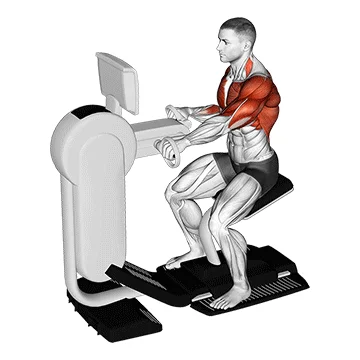
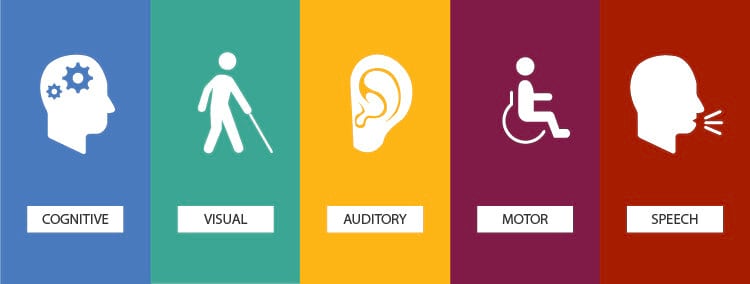
The gym is such an interesting place from an academic’s point of view, as each person experiences it differently. So as a fem-presenting disabled person, I decided to do some field research in regards to the gym (aka I needed an excuse to suck it up and go) So off I went in my wheelchair, leg braces in tow to get some walking practice in. As I arrive at the RAC, I am greeted by the out of order door opener!! What a great start… way to encourage disabled people to be active. I got some (a lot of) stares, because disabled people being active is outside of the norm to which people perceive. Where I see opportunity, and things I can do and adapt, able-bodied people see what I can’t do, and get all surprised when I do something outside of their idea of what disabled people are capable of. To me, I was just minding my business working out, but to others, I may have been perceived as inspirational or extraordinary simply because of phenomenology. What I experience and the people around me experience are two totally different things. Going to the gym is normal for me, whereas its not “normal” to see a disabled person in the gym for many able bodied people, making it seem out of place in how they experience the world. I also experience gym equipment differently, and it is evident that those who designed the gym and it’s equipment designed it from their own experience. For starters, there was a hand cycle in the gym (think of a stationary bike, but with the pedals at about shoulder height, a photo will be attatched) At least the gym had one, but that is not without faults. A wheelchair user like myself needs to a) transfer onto the seat on the machine and b) have enough lower body and core strength to balance on the seat. As someone that is ambulatory, it is not an issue for my own lived experience, but to someone else it very well may be. The hand grips also require a LOT of hand strength to hold onto, and I found it to be quite difficult. There are hand cycles out there that a wheelchair user can roll up to, and I just wish that was the case at the RAC. There were also no tactile buttons, braille or a headphone jack for audio instructions on ANY of the machines throughout the gym, making it so someone that does not experience vision cannot use the machines unassisted. I think learning about the concept of phenomenology is something that a lot of people that design gyms and other spaces should learn about. How you experience things is not the same as others for so many reasons, whether that be race, trauma, upbringing and ability. Growing up I was told to “put myself into the shoes of others” and that is the very basics of phenomenology, which gets built upon by looking into factors that I mentioned previously. Understanding how another person may feel is great, but understanding how someone may experience your creation, words or actions is a great step to bettering the world. Rather than connecting to course materials in the form of articles, I decided to conduct some field research to apply the overarching concept of the course so far: phenomenology. It felt fitting considering phenomenology is all about experiencing the world, and I think that it was a success!