I am making one extra post because I just remembered a song I should’ve added to the class playlist. Coincidentally I made it my username for WordPress at the beginning of the semester. For me this song means hope and transcendence. I used to listen to it all the time before transitioning. The lyrics really spoke to me:
“And if I die today I’ll be the happy phantom And I’ll go chasin’ the nuns out in the yard And I’ll run naked through the streets without my mask on And I will never need umbrellas in the rain I’ll wake up in Strawberry Fields every day And the atrocities of school I can forgive The happy phantom has no right to bitch”
The line “I will never need umbrellas in the rain” was super important for me because it felt similar to my desire to take my shirt off and feel the rain on my chest. It was all I dreamed about before getting top surgery.
Now looking at the lyrics I think of the word transcendence. Being a happy phantom seems to Tori Amos like she would not feel the limits of being in a human body. She sings about how she can do anything she wants: “I’ll run naked through the streets without my mask on.” That line in particular paints the picture of a mask giving her the feeling of immanence. Wish I remembered this in class!
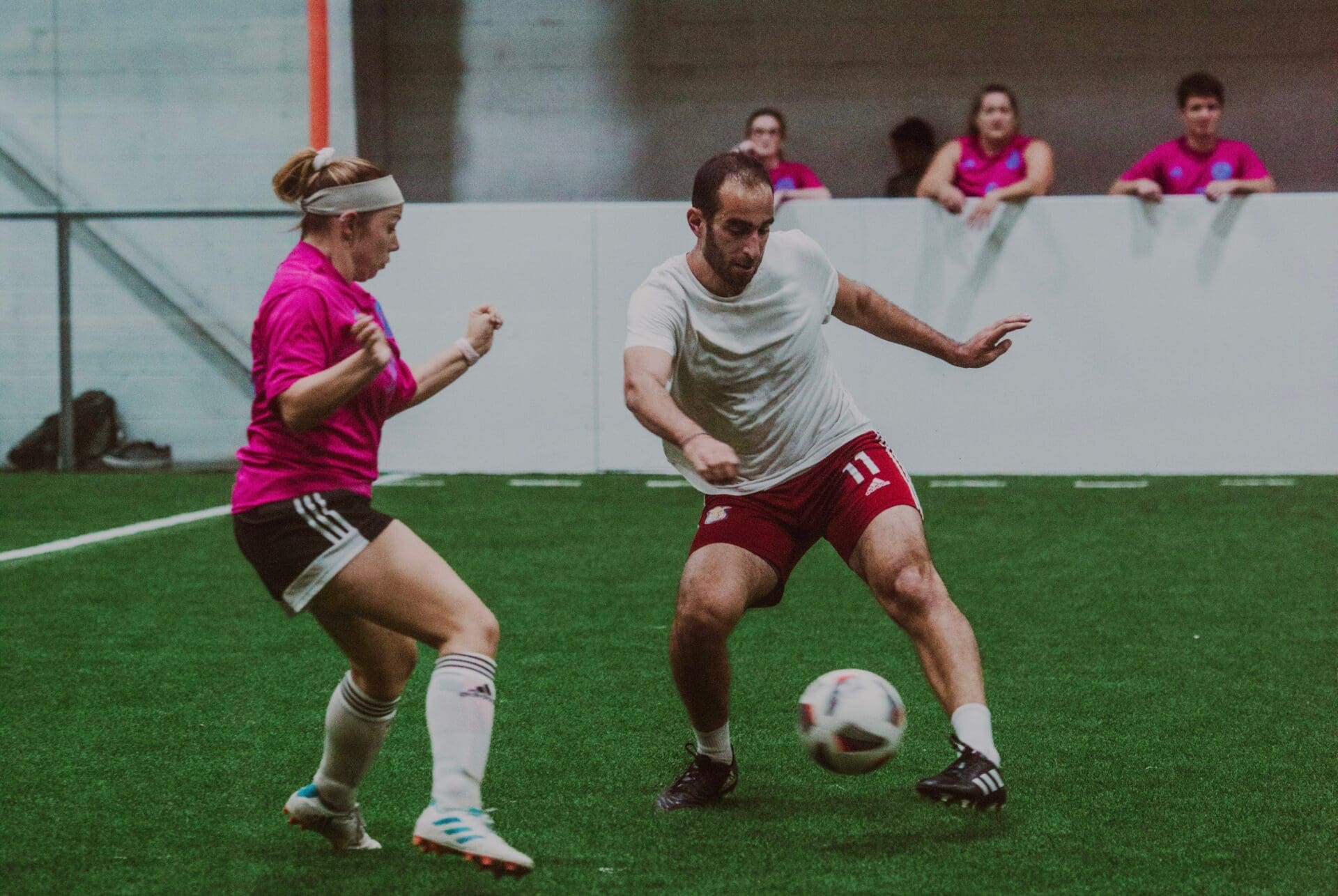
The reason I like the coed 7v7 soccer league that I play in is because I get to play the sport that I have always loved, it makes my body feel good to move and run and think all at the same time, I get to play with all kinds of people and bodies, and no one is really policing gender. No one is really policing gender until there are not enough girls that show up. The rule the league goes by is that there should be a max of 5 men on the field. Even though I am non binary and I “used to be a girl,” people read me as a boy when I show up to play. That is fine with me because no one is counting us off as men and women/boys and girls. I am safe under the radar and no one is picking apart my gender. But a few days ago we had 7 total people, and only one girl. My sister is usually the second girl, but she was out of town on a work trip. Her boyfriend, however, was set on all of us playing because he knows I am not a man and the rule only stated 5 men max can be on the field. He told me he was going to talk to the referee about it and that was cool with me. After he talked to the ref, he walked over to the other team and talked to them as well, presumably asking for their permission for me to play as a non-man and for their trust about there actually being a non binary person on our team. When he came back he told the team we could all play. Naturally, they asked how/why, since we have 6 guys and 1 girl, right? I was hoping he would say that maybe the other team was okay with just letting us all play just to have a fair game instead of playing a player down. Instead, he told them all that I was non binary. I just kinda stared off into space. Then I thought to myself… “I think maybe I was just outed?” Then the ref blew the whistle and we all ran onto the field. I was shaking and wondering if I was overreacting. I just felt very anxious and was hoping that my teammates weren’t still thinking about the conversation.
On the car ride home he apologized because I think he realized I was uncomfortable. I was glad he checked in and we got to talk about what he could have done differently.
Now to the point of this post. Once I dropped him off, I was sitting in my car and decided to put on 100 gecs. As soon as the song Dumbest Girl Alive started playing, followed by Money Machine, I immediately relaxed and felt so much better. The music got me back into my body. 100 gecs is not usually my go-to artist. The music is very electronic and experimental. It serves very specific purposes for me, the moment in the car being one of them. The group is made up of 2 people, and one is a trans woman. I like listening to her voice and the sounds of the songs. 100 gecs uses autotune and pitching on their voices, and a lot of electronic sounds. The techniques they use are often considered fake or unnatural in music, and the fact that this is the case makes it even better that they lean so hard into it. Their music embodies a lot of trans experiences. At that moment in the car, I was feeling really anxious and nervous and unintelligible to my sister’s boyfriend and my teammates, and playing the music immediately put me at ease. It was like I was in the room with Laura Les singing about how she “did science to [her] face.” Most 100 gecs songs are almost too much for me because of how experimental they are, but that honestly makes them even better. They are a big “fuck you” to what you would expect, just like being trans is.
I think a lot about the position of many older folks when they describe how “bad they had it” or how hard their younger lives were when justifying why they don’t think accommodations or care should be given to people presently suffering from a disabling world. I think it is a very defensive thing to say and to assume that if someone gets access to what they need, it will somehow be taken away from someone else.
The first time I heard someone explain “zero sum thinking” was in a podcast that one of my favorite people, Alok Vaid-Menon (they/them), was featured on. They spoke in the podcast about cis peoples’ reactions to trans and gender non-conforming people existing. Alok explained that when trans people ask for basic humanity and respect, cis people view it as an “attack from a zero sum ideology that makes you think that if other people thrive, you must somehow lose something.” I recommend listening to this episode, I have probably listened to it 10+ times and forced my dad to listen to it on a car ride once 🙂 !
The term “zero sum ideology/thinking” that Alok used throughout the podcast exactly encapsulates my thoughts from the first paragraph. I think this sort of reaction can apply to many different marginalized identities, especially those we have been discussing in class in the recent weeks. A lot of times communities that society has disabled have to do a lot of extra work to create support structures that work for them. Because of the extra care they give to themselves and the thinking required to meet their specific needs, often times their curated support structures benefit them in ways that our society cannot achieve even for those it was built to favor. Zero sum ideology I think is more a reaction to the mirror that these communities hold up to the privileged. For example, someone might be frustrated by the fact that people with autism get to take breaks from work to recover from overstimulation, that trans people can wear whatever they want outside and still be treated normally, or that someone with a chronic but invisible disability does not have to give an excuse each time they need to work from home or take a day off. The frustration that someone would experience from this seems more to me like they are realizing that they would also benefit from similar accommodations/treatment to what these people have been given. However, it is super hard to come to terms with the fact that you have not been treated right by others or treated yourself right, and the introspection that it takes to understand your negative reactions is much more intense and uncomfortable than remaining complacent and following the status quo.
I am a part of a 7v7 co-ed soccer league called Volo in Baltimore. This league was marketed as a social league and even invites you to go to the bar across the street after games with your team. My team had played multiple games together, and we had no real hierarchy up until the last game – it was pretty much just a free-for-all and we got to know each other well enough to have a good time. The last game was different though, as one of my teammates showed up with the idea that he would be “coach.” This changed everything. He decided the starting line up and everything was normal for the first few minutes of the game.
The shift happened a little later. It was about time for substitutions to be made. Usually we make subs quickly and by our own decisions. “Coach” decided that a few specific people were best to sub in, and so they did what he said and the others waited patiently on the sidelines. No one was making their own substitutions. Everyone was listening to “coach.” This continued throughout the first half. I was frustrated that he did not decide to tell me to substitute, so I went ahead and picked someone to substitute with. The game ended with some people not having played much at all. They whispered under their breath how annoyed they were.
What I found interesting about this is that no one agreed that “coach” should make the decisions or call the shots. Yet everyone did as they were told because of what he called himself. The only reason I was able to break out of it and make my own substitution was because I realized in the moment that he had created a structure of power and we have all been conditioned to act accordingly when power commands us. By letting us know his new label as “coach,” and using his body to play the part, he gave himself permission to make the decisions and took that permission away from us. The team did not even notice how we were no longer allowing our bodies to move freely in the same space that we had just last game. It was truly fascinating.
An added outcome after ruminating on this experience:
For some reason, this experience playing soccer and making my own substitution instead of waiting for someone to “let” me has also allowed me to start correcting people on my pronouns. I have never ever! ever! been able to do it until these past few weeks, and now I have done it twice. I think that it was very powerful for me to see the way power acted in this way, realize that it was nobody’s intention to take anything away from anyone else (“coach” never got mad at people for not doing what he expected), but still see everyone so paralyzed because of the way we have learned to act in response to power. In personal interactions when I am misgendered, there is a similar paralyzing feeling that I am not allowed or not supposed to correct someone, but really we are just two people and it is okay. I am glad to have learned this and continue to think a lot about what it means for me!
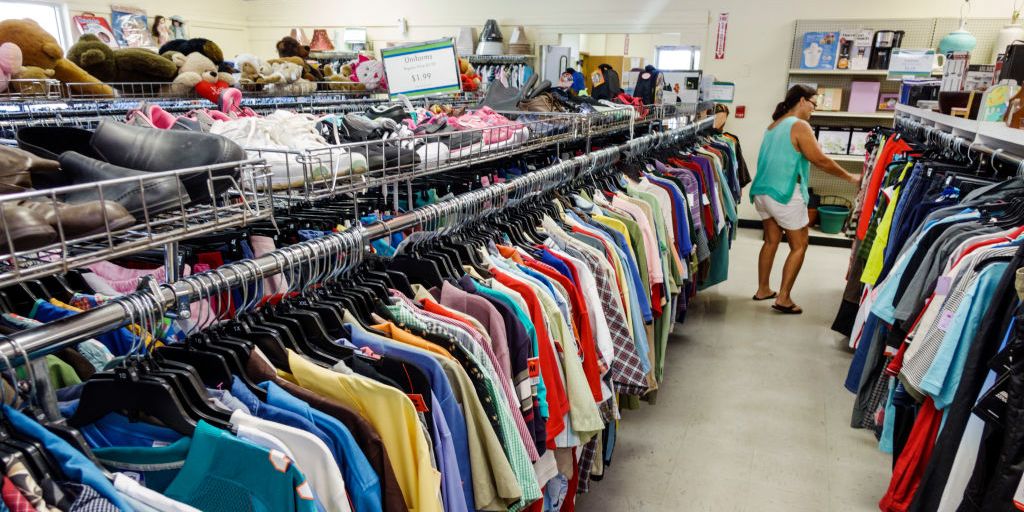
When I find myself in need (or want) of new clothes, I often find myself in thrift stores. Early in my transition, this was where I shopped. As soon as I could drive, I would make my way to the local Goodwill and buy a $4 oversized rugby shirt. It was low stakes, high reward. I did not have to drop $20 every time I was curious if I might like to wear something, especially since I was still figuring out my style and tended to wear something for a week before burying it in my closet.
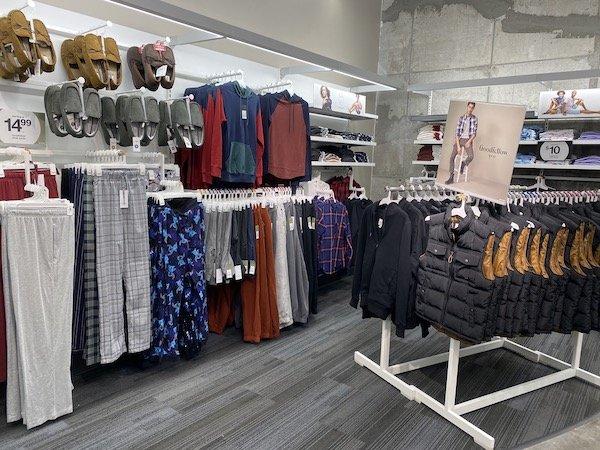
Now in my life, I can comfortably buy brand new clothing from target, but I rarely do. Something about thrift stores is so inviting and comfortable, and on the contrary, something about department stores has such Bad Vibes. Foucault kind of helped me understand why.
Discipline is written all over department stores. Everything is in its place, to a meticulous extent – clothes folded or hanging from hangers in neat rows, sleek monochrome mannequins with ironed outfits, identical products stacked in rows of tens. The bodies of the employees have to work on their feet, constantly scanning to see if anything needs to be refolded or if they can smile for a customer or answer a question. The clothes themselves are even surveilling the customers, with tags that will sound an alarm if one step is taken outside of the store with them. I think the worst part for me in department stores is how much power I can feel being taken from me when I look at the options of clothes I can buy. The ultimate reduction of individuality is a stack of the same exact shirt in any size.
Alternatively, the relaxing, comforting feeling of walking into a thrift store is unmatched. There are so many ways thrift stores subvert discipline and control. Thrift stores defy the intended life cycle of a piece of clothing or product. Our society wants us to buy new, use, and buy new again, and by ignoring this rule, we can escape a kind of control. Further, thrift stores neglect little details – there is imprecision everywhere! Stains on clothing, clothing you can tell has been worn for a lifetime, clothing that has been out of style for at least 20 years, differently gendered and sized clothing all mixed up together. The maximization of time and money is not evident, either. Employees take their time checking out customers, sometimes impressively slow, and products are usually less than $5! Even considering all of these glories, my favorite thing about thrift stores is the community it takes to curate what is inside. Anyone can contribute to what a thrift store/consignment shop sells, effortlessly ignoring trends in society, providing a vast array of options, and encouraging people to listen to their own desires.