My Experiences with People from All Walks of Life.

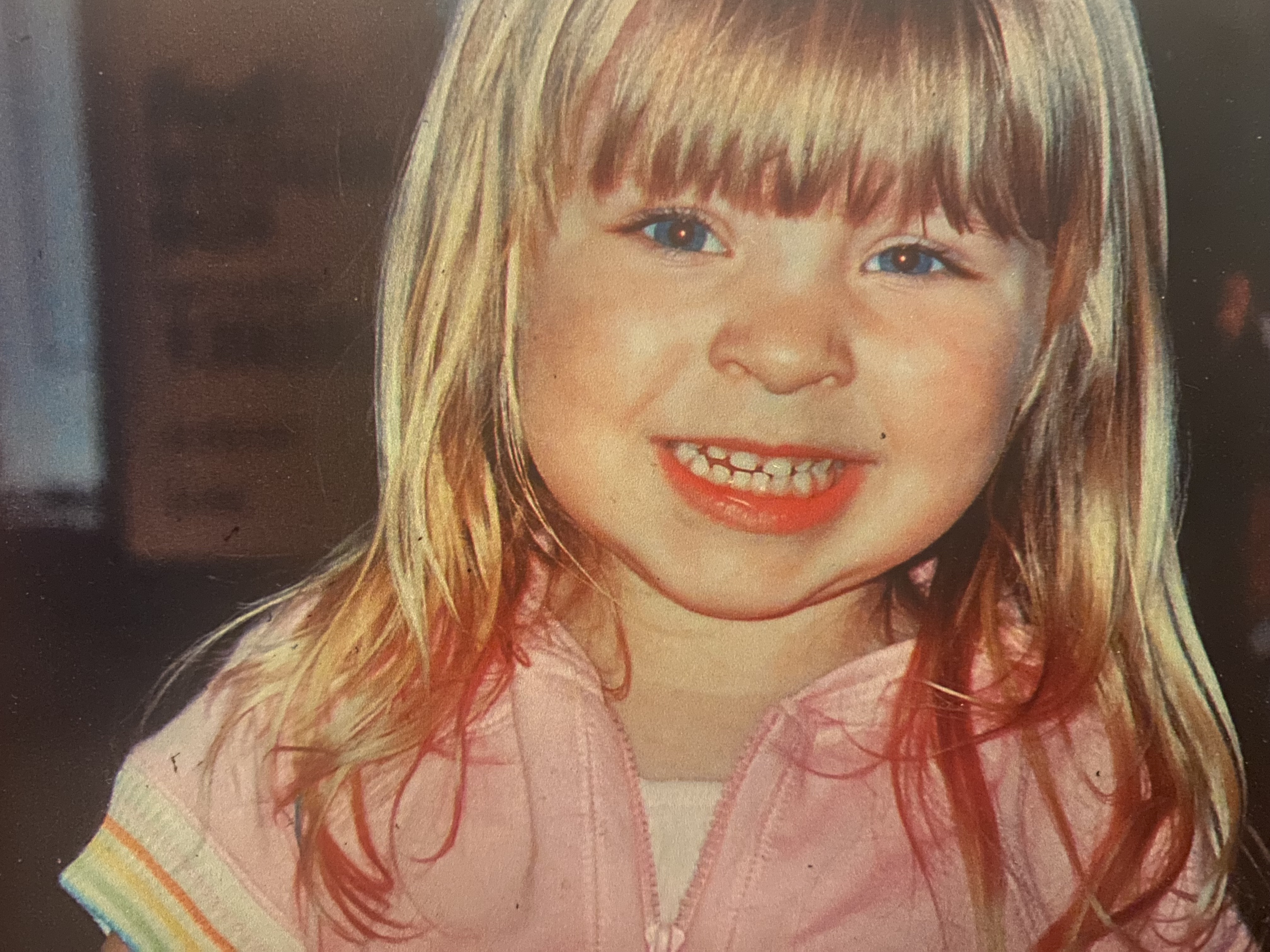
My parents were older when they had my sister and I. They, as a couple, decided to wait until they were mentally and financially ready to raise children. When we were born, my mom was the type of parent with a ridiculous number of books to learn how to be the “perfect” parent (which does not exist). My dad followed my mother’s lead while using his teaching skills on us.

From a young age, I understood that love comes in different forms, which are all valid. My parents are friends with biracial, gay, and lesbian couples, etc. When I would ask my parents questions about these friends, they would explain it to me in a kind, respectful manner. After they answered my questions, it was normalized to me because my parents treated them like any other person, which was essential. After all, parents teach children by example.

Later, in elementary school, my mom had my sister and I join the 4-H club. This club taught us a lot about social and physical skills, like sewing, baking, working with hardware tools, etc. We also did fundraisers where I would help cook and serve food to the homeless shelters, gather and donate food for people experiencing homelessness, and clean parks and beaches. 4-H would have competitions where I would have to give speeches and demonstrations. These competitions helped me to be more confident and learn how to communicate with others effectively.

My parents made sure at a young age that we could adapt to the world and be open to everyone around us. They continued to improve themselves for us, which is what my mother did until her last breath. I am thankful I had a childhood with parents who sincerely wanted the best for my sister and me. I am grateful for a father who continues to try to support us in every way possible while struggling with the loss of his partner of over ten years. I am thankful that I can eat delicious food with my immediate family. I am thankful.

Happy Thanksgiving!
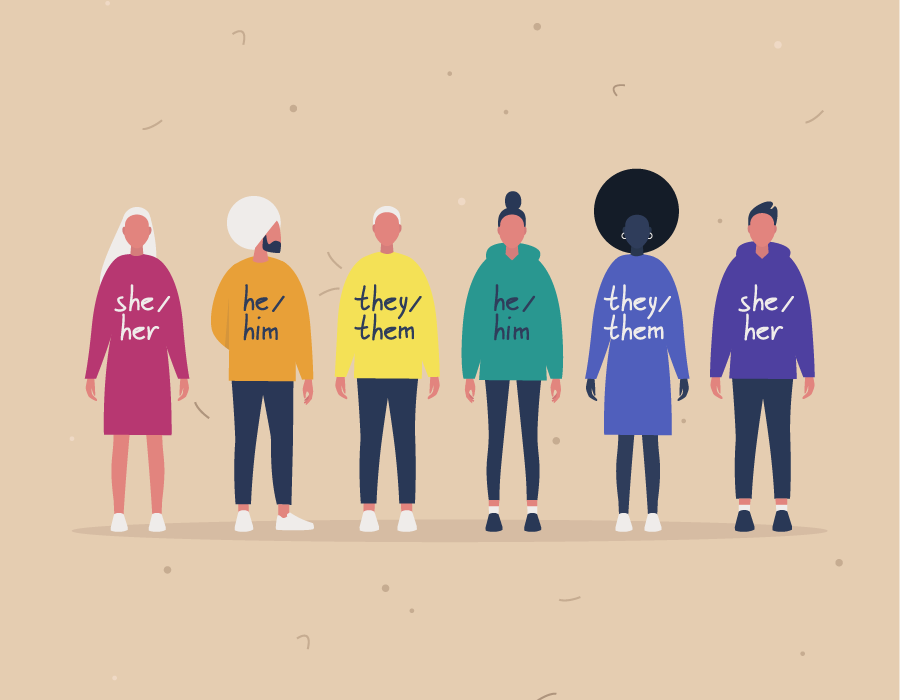
Image from Openverse.

Sorry, My Disabilities Are Invisible.

As a child, in old pictures of myself, I had a crooked smile. My bottom jaw would swing out to the right side. Although my smile is usual now, I still must deal with the aftermath of it. One of the many issues I have that make me who I am is my Temporomandibular disorder, which is that the jaw joints and muscles have issues that can affect jaw movement. It changed how I functioned with the world since it impacted my speech. It comes with an array of symptoms that I experience daily, such as extreme pain in the chewing muscles and jaw joint, which is the most common, but the pain does spread to my face, neck, and head. The jaw stiffness causes limited movement, which causes painful clicking, popping, or grating in the jaw joint when opening or closing my mouth, which I call my party trick. Ringing in the ears and hearing loss, for me, starts with an auditory trigger. Dizziness and headaches with light sensitivity happen often. It changes the way my upper and lower teeth fit together. This disorder has many symptoms that can be caused in many ways.

Now, this is a somewhat common issue, and in most cases, it is a short-term issue. For me, it is chronic, so I needed to adjust in my life to avoid my constant pain, which can be debilitating at times. I eat soft foods in small bites; I say that I eat like a baby bird. I must go to physical therapy often. I have tried so many different treatments to help this issue. Still, sadly, this will be a constant issue in my life, which was solidified to me when my physical therapist used the term chronic for me. They believe I need to get more testing to see if I have a joint disorder as well since some of my limbs are hyper-extended, which is why my jaw does not want to stay put. My disorder is a forever thing for me, and since that is the case, I try to joke about it to alleviate the severity of my issue since having a positive mindset is essential.

I deal with these issues the best I can without letting others know for the most part because the person cannot see my problem only if you observe the way I open my mouth. After all, it still swings to the right. Since I do not think it is necessary to disclose that information when I do not need to. I wear sunglasses and do things to help reduce my pain, but some days, the pain is debilitating. I do try to push through, but it can be so disappointing trying to go above and beyond just to be judged in front of a group of people.

For example, my community college photography professors called me out in front of everyone to ask what my deal was because I was staring at the ground, closing my ears, and rubbing my jaw since my ear was ringing and I felt nauseous from dizziness. He was the only person who noticed and brought unwanted attention to me. Once I told him I wasn’t feeling well, he got annoyed, and the rest of the class was awkward. Later in the semester, he took me outside after class to say I was a terrible student ruining the course for everyone else for having different opinions from him and not being respectful to him because sometimes I am looking at the floor. I told him about my disorder, and he was glad I was in pain because he thought I was making an excuse to be rude. It was the first time someone told me they were happy because I was in pain. After that conversation, he kept asking me about my disorder because I do not think he fully believed me. I was in my second year of trying to understand my diagnosis and trying to treat it. That experience was frustrating to have to over-explain myself to a person who controls my grade the rest of that semester I felt uncomfortable.

This is just one of the many issues that make me who I am, and these uncomfortable, weird, and painful experiences make me a resilient person.

All my teeth touch on the right side but not my left.

Race, Age, & Gender Determine Medical Importance.

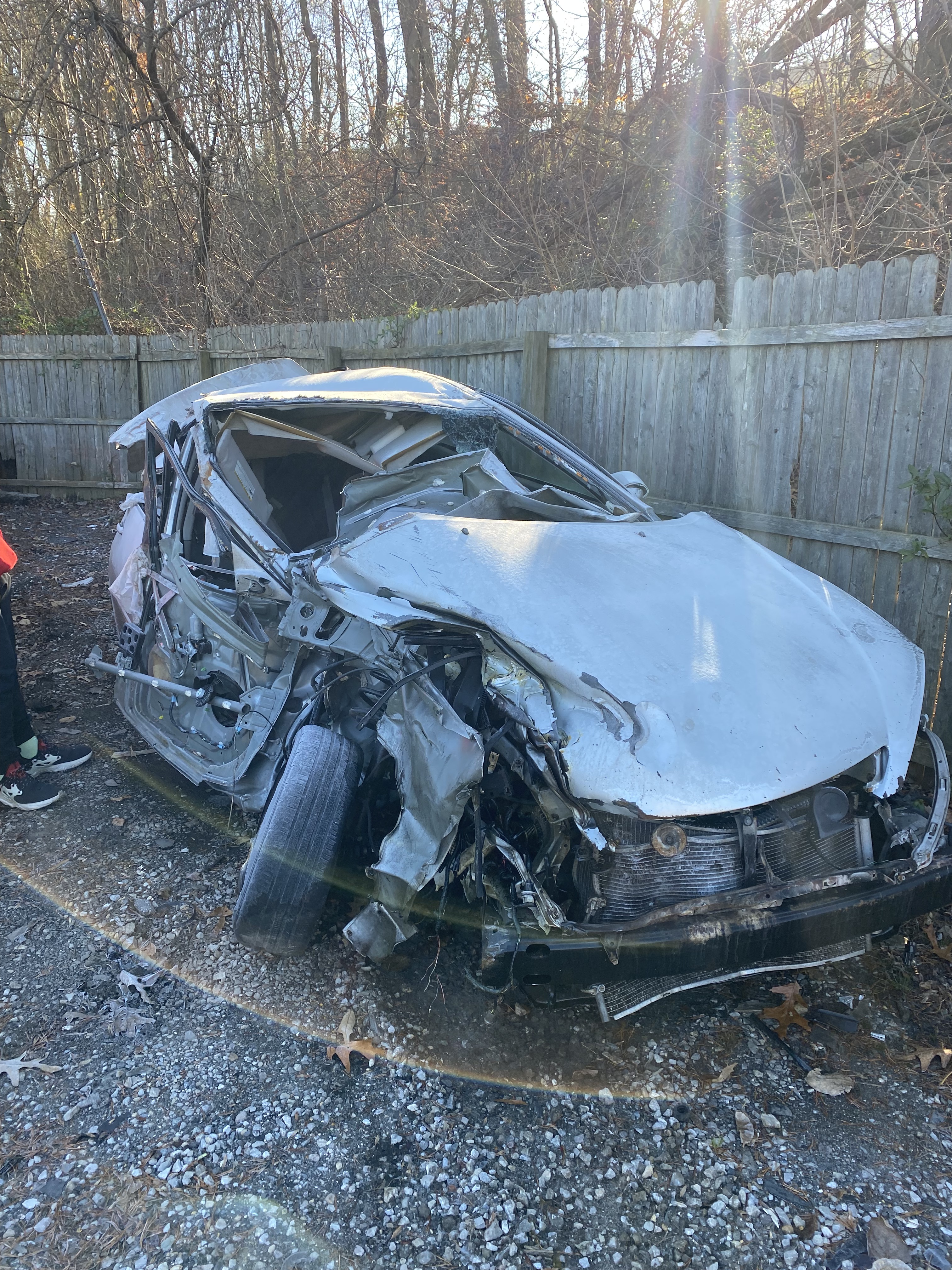
Race and age have played a significant role in the medical care that people experience. I have seen the different treatments people have dealt with within the medical industry. Unlike young white men, the old, other races, and genders have a significantly more challenging time making their medical concerns heard and taken seriously. My friend is an African-American woman who had a severe car accident over a year ago. After she showed me the image of her car listed below, I questioned how she survived since her vehicle was completely destroyed. Although I am thrilled she is okay now, seeing that she still has physical and emotional trauma and debt from that accident is upsetting. Doctors and police officers pushed her aside, believing her symptoms were insufficient to help immediately. A police officer was called to the scene by a bystander. The officer was not helpful and did not advise her to get to the hospital even though she had visible open wounds all over her body, which should have been taken more seriously. The police officer drove her and left her at her house as she was weak and bleeding severely. When her male African-American partner found her, he immediately took her to a hospital, but the medical staff did not take her legitimate concerns and symptoms seriously. My friend and her partner kept fighting for her voice to be heard because she kept getting worse with new disturbing symptoms. She went to the hospital often and was sent home with little help each time. The last time she visited the hospital, she had extremely concerning symptoms. While they were there, her partner pleaded, and once the medical team listened, they realized how bad her symptoms were. They flew her to another hospital for significant surgery since that place did not have the facilities to do this surgery on her abdomen. If left untreated any longer, she could have died. I was so upset and frustrated that the hospital kept dismissing her when she had many visible physical issues. Her partner would call me in a panic because he felt so helpless when trying to get the hospital to care for her. I was outraged because I understood feeling helpless since my grandmother had died from medical negligence years prior. Deciding whose lives are more important based on race, age, and gender is a prevalent issue. The medical industry is vital, and how they are trained can determine someone’s fate and leave an impact on their loved ones. The medical industry needs to improve to help improve our society’s future.

This picture above is the car that was wrecked during the accident.

Where Do Women Belong in Places Like the Work Field?

Where Do Women Belong in Places Like the Work Field?

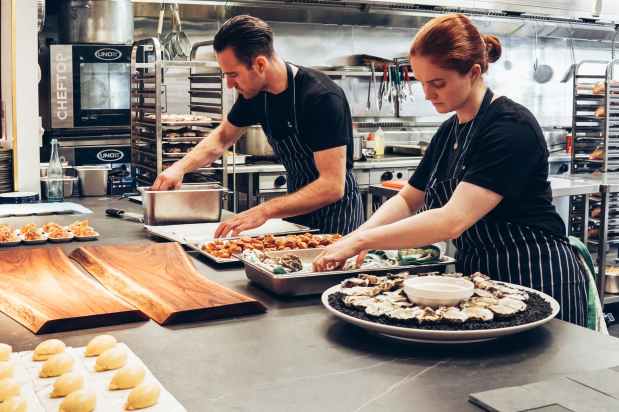
As a cis woman, I have personally worked in multiple jobs, primarily full of men. I gravitate towards more physical jobs, meaning I work with more men. Throughout my life, I’ve heard many phrases to try to put down a woman for expressing an opinion different from the male’s perspective. Some of the insults they use to try to shut up women are, “Go back to the kitchen where you belong.” or “Shut up and go make me a sandwich.” some men will even refer to women as objects like dishwashers. However, in the work industry, those two tasks of cooking and cleaning are dominated by men. While working in the kitchens over the years. I have had to work and train grown men twice my age. While instructing these grown men, I was constantly disrespected and was not listened to during instruction, which ended up causing safety problems. I was only treated with respect when the male manager noticed them actively ignoring and disrespecting me. He called them out and explained that I was well-trained in my job and that they needed to take me seriously since I played a role in whether they got to keep this job. During these experiences, I had men flat-out tell me that I don’t belong in the kitchen due to my gender and size, which is ironic because I’ve heard men tell me that I do belong in the kitchen. While working my shift, I had to listen to their opinions about my inability to get things done due to my body not fitting the standard for someone to work in the kitchen. I heard, “She is too weak to do this,” “She is too bubbly to work back here,” or “She is not going to make it long in the kitchen because she is too sensitive.” It made me feel like I needed to constantly prove to myself and my male coworkers that I was someone to be respected for my work ethic. I always worked the hardest, and my personality started to change to be more aggressive and louder for my male coworkers to listen to, but then I was labeled as a “bitch”. However, if I told my male coworker to do the same thing I did, he would be seen as “forward” and “direct.” It is just a simple example of how readings like Not Just the Reflexive Reflex and Throwing Like a Girl mention how we still have these situations where women are still faced with this issue that we are seen as somewhat less than compared to men because of the body women are born with and their potential capability to have children.