Regarding Sick Girls, Women, and All Those Perceived as Such

The body perceived as a ‘woman’ is the body assumed to contain a hysteric mind. While this concept is pervasive in every aspect of our society, one can especially see the ways in which past thoughts on the ‘gendering’ of bodies determine how one is treated when looking at medical settings. Looking at this from a phenomenological point of view, others’ perception of one’s body leads to a complete denial of one’s internal experiences.

Continue Reading →

A Nightmare in Healthcare

Before reading I just want to put a warning that my emotions were high during this post and I hope I don’t offend anyone who is going into healthcare or have family in healthcare.

As a little kid you are taught the basics; police officers arrest the criminals, firefighters put out the fire, dentists clean your teeth, teachers teach and lastly a doctor “helps” you with a stomach ache or something.

Well this can be true and untrue at the same time considering that we have this huge issue of doctors refusing treatment that occurs in the healthcare system since the 18th century. Sadly this is a recurring nightmare for POC because it continues to be a problem that POC don’t receive the same fair treatment as a non-colored person in the healthcare system. 20-30% are more likely to experience negative healthcare outcomes due to racial bias, now this percentage is continuing to be documented as research continues so this number could be higher or lower. But after hearing Lovejoy’s story about how she went misdiagnosed because she had something that only “white people” can have is sad and the fact that she had to endure the pain that she did because of that.

Now you’re probably thinking what does this got to do with me well I’ll tell you. Now I didn’t experience this first hand but I saw with my own eyes happen to my mother in 2019. My mom at the time had kidney stones that bothered her that entire year. She went in for multiple tests while it was still at its early stage of development and I think you can guess that of course the doctor’s found nothing wrong at the time. During that entire year of back and forth hospital trips they couldn’t seem to figure out what could be wrong with her (all they had to do was check her blood) and when they did start finally doing that after months my mom had endured severe bruising on her arm and it swelled up because they spent a whole 15 minutes poking her with IV because they couldn’t find her vein on my brown skinned and veins showing at all times mother. When they finally found the issue by switching through different hospitals and instated her in the hospital I had to hear the news from her doctor that she was even lucky to be still alive since she went so long being untreated.

The fact that I almost lost my mother to a system that you’re taught will help when you’re ill is frightening to see as a young black woman. Those memories of my mother being treated unjustly and watching and hearing her be in pain for months and feeling hopeless because there was nothing that professionals can do for her something I will never forget. I was 16 when this happened and now I’m 21 still in fear of what could happen to me if I were to fall ill and have to go to the hospital.

Misdiagnosed

My mom has an understanding that her medical concerns may not be taken seriously as a woman of color. At the time of this event, my mom had just recently gotten her U.S. citizenship, which only made it more important for her to find a doctor for her three young daughters who would simply listen. So, she made sure to find a Latino pediatrician who would care for her concerns.

It was nearing the end of my kindergarten year when I started to express pain in my lower abdomen to my mom, and with worry and concern, she decided to take me to the doctor to get an answer. But something was different. This time the doctor who saw me was a white man, training under my actual pediatrician, who diagnosed me with a UTI and prescribed over-the-counter medication for the pain.

However, my pain continued to get worse; I constantly stayed home from school, I was constantly vomiting, and it eventually got to a point where it was difficult to walk and my dad had to carry me around everywhere. As my pain continued, my mom continued to look for answers from this doctor, which he brushed off as “exaggerated” and was even hesitant to give my mom any sort of medication for my pain. He had somehow concluded that my mom was just seeking a way to gain access to drugs, completely overlooking the five-year-old girl in agonizing pain and her mother, who was concerned for her health. 

Eventually, because of my incorrect diagnosis, I had gone untreated for several days. My parents had no other choice but to take me to a hospital in hopes that they would provide an answer. At this point, my appendix had already burst; the woman at the front desk knew exactly what was happening without even asking further questions. Luckily, I was properly diagnosed with appendicitis and given treatment on time; if we had waited any longer, I would have likely not survived. Yet, I can’t help but wonder how this experience could have been different if I had been white or if I was a boy. Would the doctor even think of a UTI as a possibility? Would he have cared more about my mom’s concerns? Could have this near-fatal experience been avoided entirely?

As I reflect on this experience and our class discussion surrounding healthcare and the medical system, it becomes even more clear how gender and race shape not only the experience of pregnancy and birth but various levels of health issues and medical complications. While my experience does not surround labor and pregnancy, it does point out how gender and race impact the medical attention that women of color receive. Evidently, medical professionals frequently overlook women of color, particularly Black women, due to preconceived notions about race and gender. Consequently, they are neglected and placed in situations that could be avoided, and tragically, the situations are often deadly.

Race, Age, & Gender Determine Medical Importance.

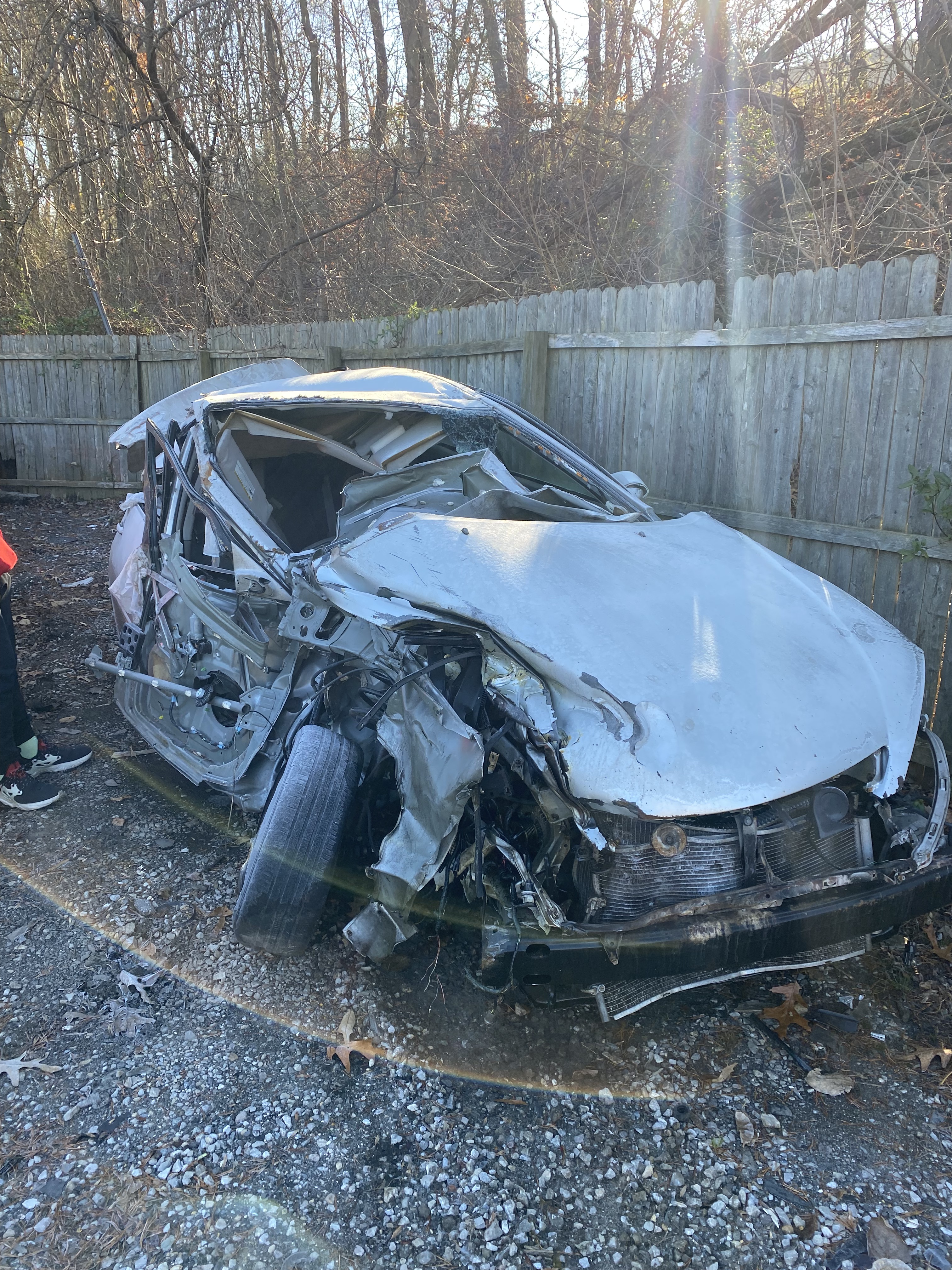
Race and age have played a significant role in the medical care that people experience. I have seen the different treatments people have dealt with within the medical industry. Unlike young white men, the old, other races, and genders have a significantly more challenging time making their medical concerns heard and taken seriously. My friend is an African-American woman who had a severe car accident over a year ago. After she showed me the image of her car listed below, I questioned how she survived since her vehicle was completely destroyed. Although I am thrilled she is okay now, seeing that she still has physical and emotional trauma and debt from that accident is upsetting. Doctors and police officers pushed her aside, believing her symptoms were insufficient to help immediately. A police officer was called to the scene by a bystander. The officer was not helpful and did not advise her to get to the hospital even though she had visible open wounds all over her body, which should have been taken more seriously. The police officer drove her and left her at her house as she was weak and bleeding severely. When her male African-American partner found her, he immediately took her to a hospital, but the medical staff did not take her legitimate concerns and symptoms seriously. My friend and her partner kept fighting for her voice to be heard because she kept getting worse with new disturbing symptoms. She went to the hospital often and was sent home with little help each time. The last time she visited the hospital, she had extremely concerning symptoms. While they were there, her partner pleaded, and once the medical team listened, they realized how bad her symptoms were. They flew her to another hospital for significant surgery since that place did not have the facilities to do this surgery on her abdomen. If left untreated any longer, she could have died. I was so upset and frustrated that the hospital kept dismissing her when she had many visible physical issues. Her partner would call me in a panic because he felt so helpless when trying to get the hospital to care for her. I was outraged because I understood feeling helpless since my grandmother had died from medical negligence years prior. Deciding whose lives are more important based on race, age, and gender is a prevalent issue. The medical industry is vital, and how they are trained can determine someone’s fate and leave an impact on their loved ones. The medical industry needs to improve to help improve our society’s future.

This picture above is the car that was wrecked during the accident.

Autism and the Prevention of being Trans

Autism and the Prevention of being Trans

There’s a problem with anti-trans activists trying to deny gender-affirming care to someone diagnosed as autistic. While it isn’t impossible to receive gender-affirming healthcare with an autism diagnosis, some people have reported issues with being denied on the idea that autistic people do not know their own mind or bodies.

This is becoming a concerning issue when you have to either choose to be autistic or choose to be transgender. I do not mean that you have to choose which one to identify with, as I consider myself to be both, I mean in accessing healthcare. There’s been a trend between transgender people having to choose between gender-affirming care or mental healthcare. James Pisani has noticed an issue where trans people sign up for insurance with good transition care, but terrible healthcare. While it wasn’t discussed in the article I read, when it comes to making a choice, you face mental health issues either way. If you choose good transition care, you get more gender euphoria, you face less personal and public issues regarding how you present yourself, even if it’s at the cost of mental health care and autism support. Say you aren’t the majority of people who made the previous choice, and you instead sacrifice gender-affirming care for mental healthcare. Even if you have the best mental healthcare possible, you will still face the dysphoria or other issues that come from being trans. Being transgender is already a toll on mental health (for most people, I think).

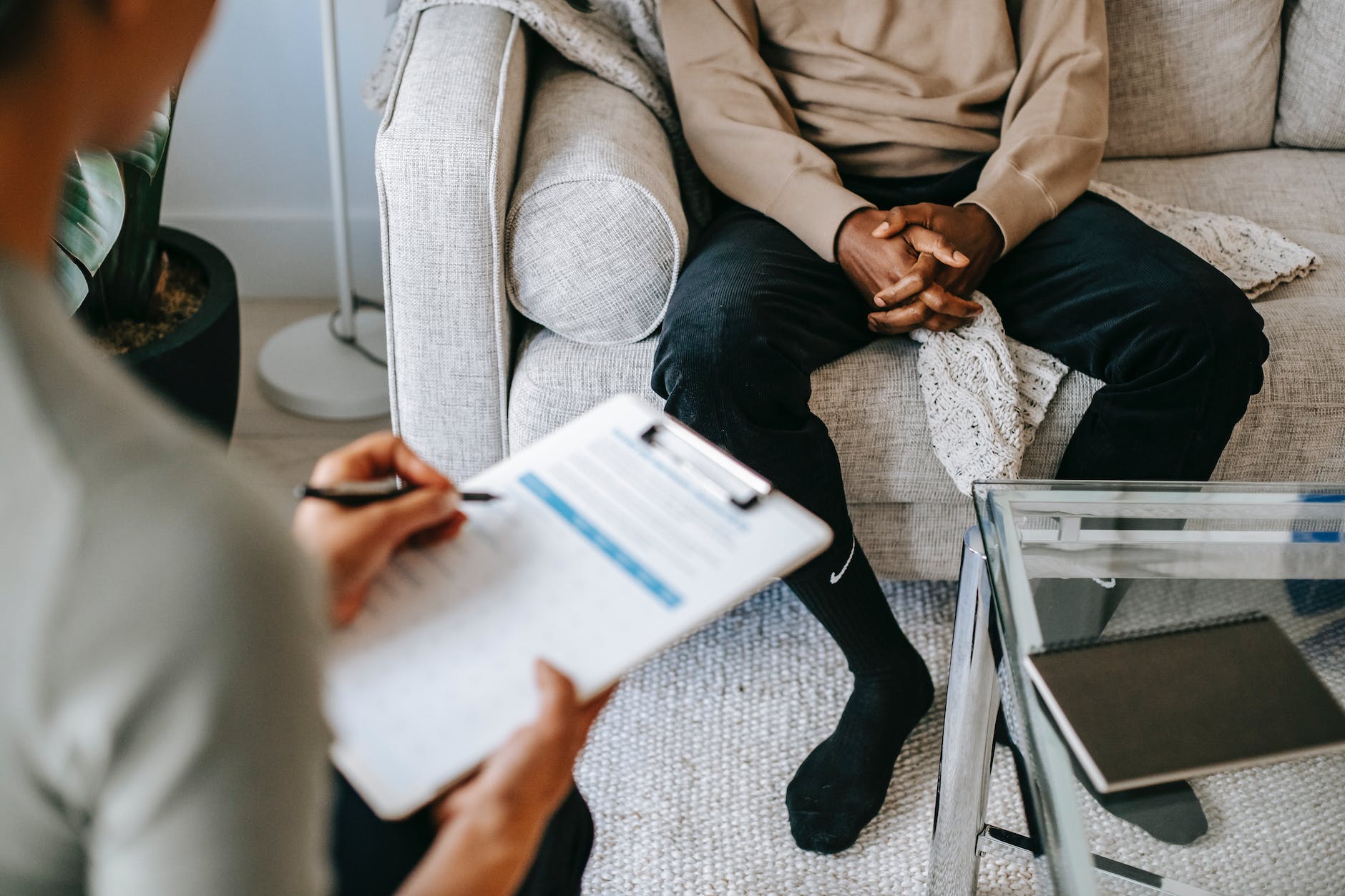
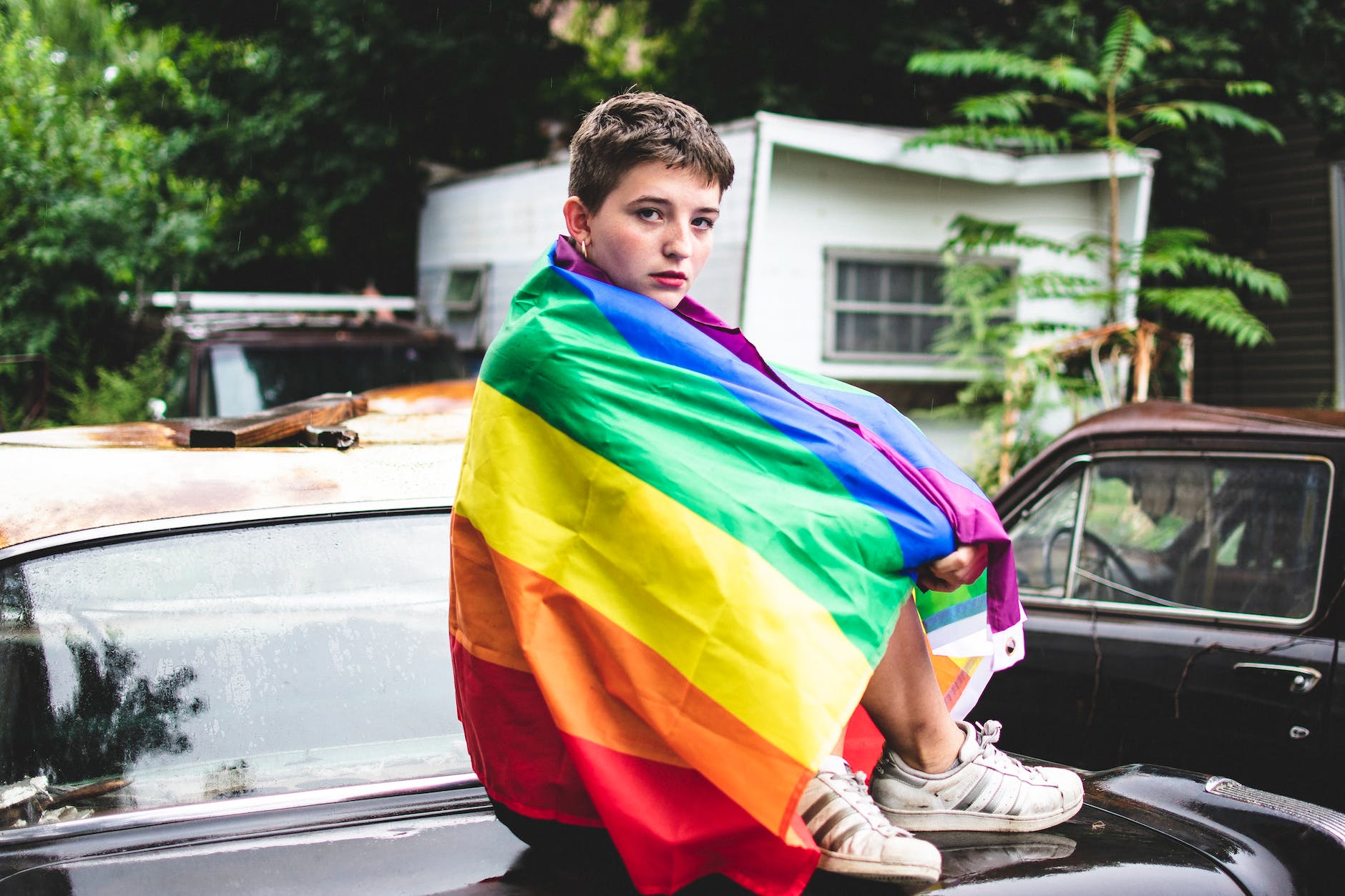
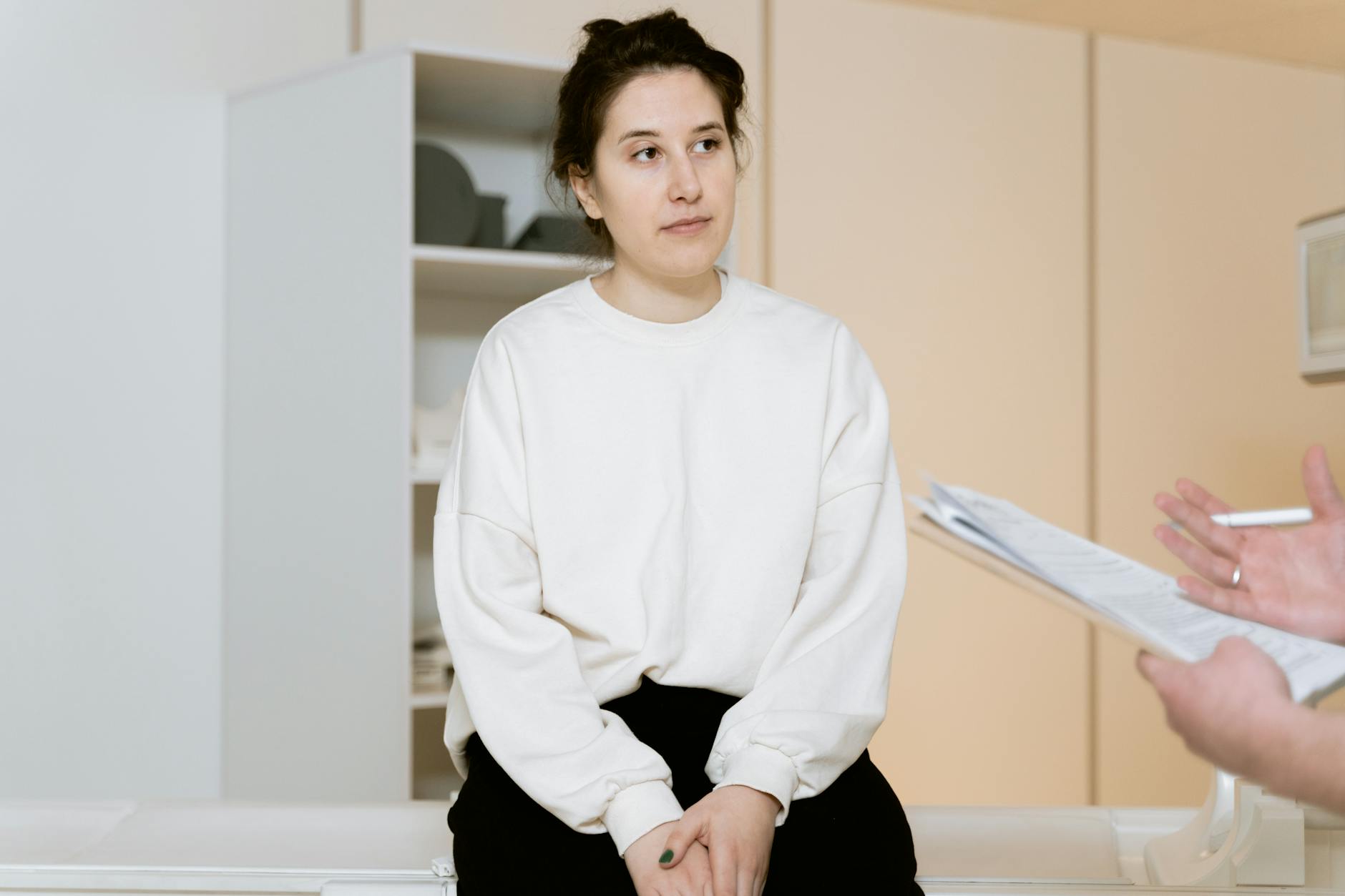
A slider image, with one side showing someone in therapy or similar location with another person holding a clipboard (This is meant to represent choosing healthcare). The other image is someone sitting on top of a car, wrapped inside a rainbow flag (meant to represent choosing transgender care).

Moving on, there’s already been a consistent problem in trying to deny trans identity for a long time. Especially when it become regarded as a “trend”, instead of wider visibility that made people consider their own idea. This exact thing occurs with autism, where some people see the rise in autism diagnoses and consider it to be a trend, rather than the fact they were always autistic and just never had the knowledge or resources to know beforehand.

Correlation between being gender-diverse and being autistic is still under-research. Some researchers, and myself, think that when someone identifies as genderqueer or autistic/ND in some way, that they are less concerned with fitting into society, and are more willing to consider their identity.

I want to wrap this up by the idea that although there’s an overlap in being genderqueer and autistic, that doesn’t mean either should be taken less seriously. I think there needs to be a pushback against the idea that autistic people are incapable of understanding themselves. Thank you for your time 🙂

Sources: