Hey Bitch!

An analysis on the reclamation of the word bitch, and if it’s doing more harm than good.
An old timey illustration of a pink rose with thorns.

In class we spoke about the British mental health movement, the “Mad Pride Movement”. In which participants reclaimed the word “mad”, a word commonly used against people with mental illness, to take back control and empower themselves. In relatively recent times the same could be said about the word “bitch”, an insult commonly thrown at women. Its increased usage being perceived as taking power away from the word and reappropriating it as something endearing or empowering. But is this true? Can bitch truly be reclaimed? Is it really empowering?

Firstly, we all know the history of the word “bitch”. It is the term for a female dog, but most commonly a term used for an argumentative, slutty, stuck up, weak, or normal woman. Bitch is thrown at everyone, regardless of age, race, or gender. It’s within the group of insults making reference towards women or women’s parts, such as “pussy” or “whore”. The word has probably been thrown at you, and it’s probably stung. For a while it was common knowledge this was a disrespectful and belittling word, a word mostly hurled at women to keep them down.

Continue reading
Being a caretaker

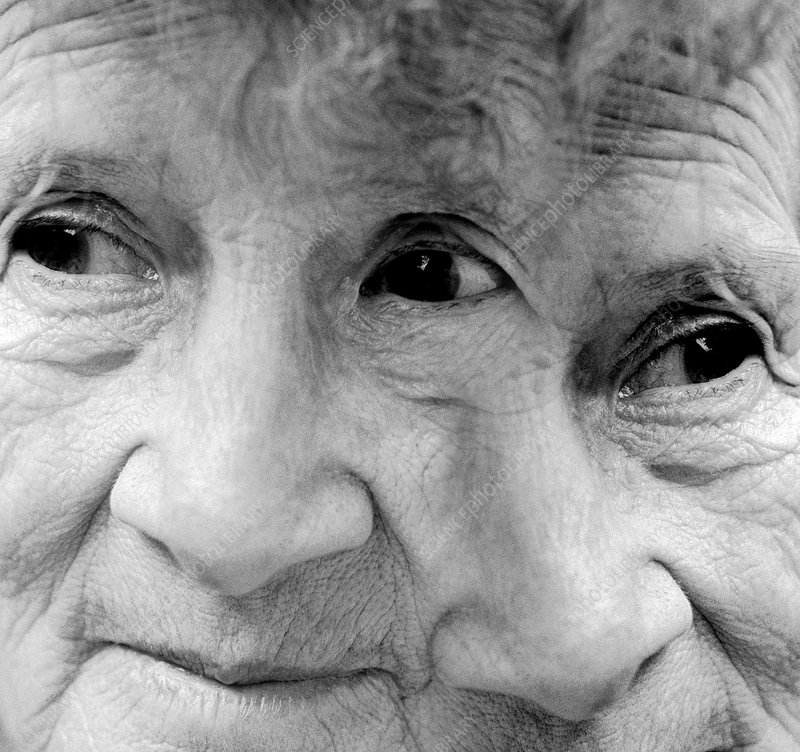
Dementia, conceptual image. Composite merger of two images of an old woman's face. This image can represent ageing disorders such as dementia and Alzheimer's disease, where mental faculties and memory decline due to degeneration of the brain.

Middle school through high school I helped my (immediate) family take care of my grandmother with dementia. It was hard to deal with, both emotionally and physically. My aunt and uncle told my mother, “if you wanna send her to a nursing home we understand”, but we didn’t want to. It’s so commonplace to just throw someone away when things get rough (not to mention the abuse that goes on in places like that!).

It’s like she lost value as a human being because she was old, because she had developed dementia. When my grandmother would get upset (because she was often confused about what was going on) it made people uncomfortable, they would stare, or they wouldn’t engage with her. 

Continue reading

Pregnancy Horror

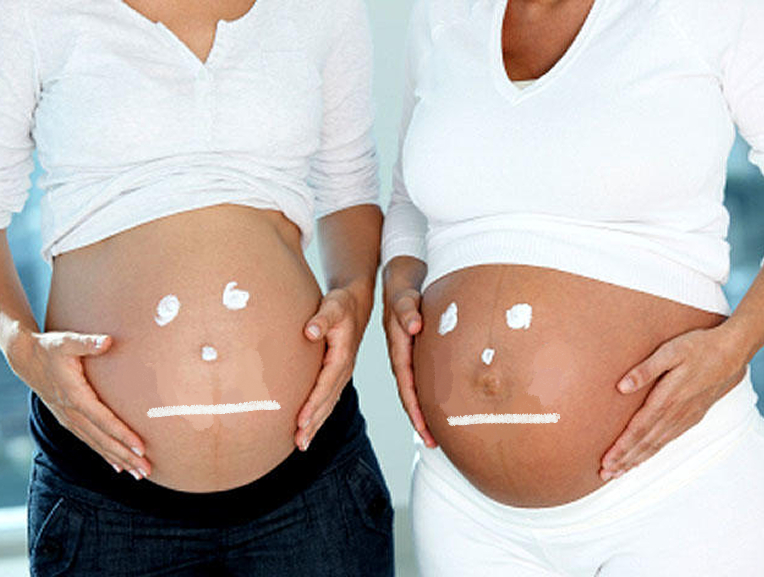
Two pregnant woman are next to each other with their shirts lifted to show their stomachs. On their stomachs is a drawn straight face expression.

Pregnancy is often celebrated, it’s a large spectacle with parties and extreme positivity. It’s presented in such a good light, so wonderful and magical. But then the pain comes, something will feed off your body to allow its own to grow, you’ll be surrounded by strangers as you have to force it from your womb and then you have to pay for it. That does not sound very wonderful at all… And if you’re a person with ovaries this will be expected from you. 

There are many aspects of pregnancy that are unappealing to me that I feel aren’t discussed enough. Physically, your body changes. Pregnancy takes a huge toll on your body as you are literally creating a new life. You could experience skin deep changes such as stretch marks, weight gain, hair loss and breasts sagging. To serious health effects including but not limited to: teeth rot, blood pressure increase, bladder issues, dislocated hips and heart failure. There is no list of risks easily accessible, as pregnancy and women’s pain is largely romanticized.

Continue reading

Boobs Of Shame

The sexualization and ostracization of the female breast and nipple.

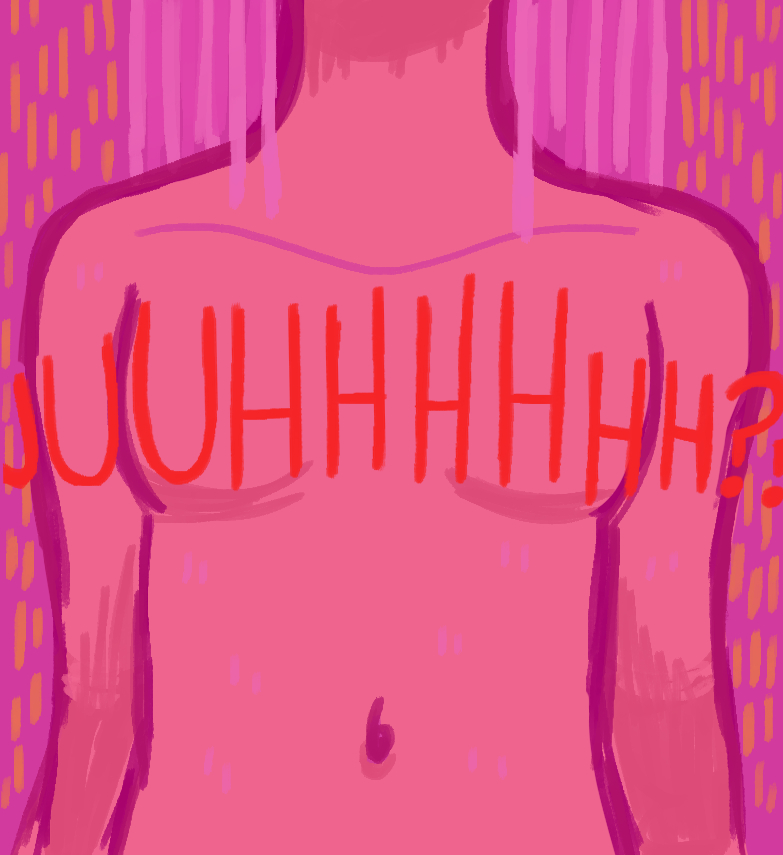
A woman's chest with "UUUHHHHH??" scribbled over her breasts.
Picture by me

Society places great importance on breasts as a defining characteristic of women and womanhood, but at the same time recoils at the sight of them. During puberty, growing breasts define the shift from “girl to woman”. But growing breasts also means a growing problem: alienation. 

This is because women’s breasts aren’t viewed as the fatty mass of flesh they are, instead they’re viewed as inherently sexual and provocative. This can be seen in art dating back centuries, up to modern day advertisements and media. Women’s breasts are considered totally different from men’s, even though men do and can have larger breasts than women. Why is that? Because one is sexualized and one is not. While men’s breasts can be sexualized, the difference is that they aren’t always thought of as sexual. Men’s breasts can be neutral, athletic, robust, while women’s are almost entirely thought of in a sexual manner, no matter the situation. Women’s breasts cannot be neutral without backlash. 

Depending on the size of your breasts, shape of them, color of them, you will be judged and assumptions will be made about you. Large breasts mean your sexual, seductive. Small breasts means you’re less of a woman or prepubescent. None of this is true though. Breasts do not define womanhood, are not inherently sexual, and do not represent the content of your character. 

Continue reading