Pregnancy is often celebrated, it’s a large spectacle with parties and extreme positivity. It’s presented in such a good light, so wonderful and magical. But then the pain comes, something will feed off your body to allow its own to grow, you’ll be surrounded by strangers as you have to force it from your womb and then you have to pay for it. That does not sound very wonderful at all… And if you’re a person with ovaries this will be expected from you.
There are many aspects of pregnancy that are unappealing to me that I feel aren’t discussed enough. Physically, your body changes. Pregnancy takes a huge toll on your body as you are literally creating a new life. You could experience skin deep changes such as stretch marks, weight gain, hair loss and breasts sagging. To serious health effects including but not limited to: teeth rot, blood pressure increase, bladder issues, dislocated hips and heart failure. There is no list of risks easily accessible, as pregnancy and women’s pain is largely romanticized.
I’m doing an application for an internship. It asks me–strictly for diversity data collection, it clarifies (I am suspicious)–if I have a disability. It then lists disabilities, most of them things I understand to be disabilities in the conventional sense, things I would list when asked for some examples of disability. I’m skimming the list for no real reason because I know I don’t have a disability. I get to the bottom: Anxiety, Depression. I pause. I have those things–in a clinical, diagnostic capacity, I have those things. I’ve never been confronted with the direct possibility that on me they are disabilities.
I remember in high school having a 504 plan recommended by my therapist that I would have to review with each teacher I had providing me with academic accommodations because my anxiety heavily impacted my performance in school. I google “504 plan” and The DO-IT (Disabilities, Opportunities, Internetworking, and Technology) Center at the University of Washington, Seattle tells me that a 504 plan “is a plan developed to ensure that a child who has a disability identified under the law […] that will ensure their academic success and access to the learning environment.” Oh. I guess I never considered it a plan for disability when I had it. It seemed more like a plan to make up for the fact that I couldn’t function like my peers, which I guess could define a disability. I never thought to legitimize that by naming it as one–others in my 504 testing groups had real disabilities, it seemed to me, and I could recognize that but didn’t find it appropriate to use a word so weighty for my experiences when I didn’t think mine were that bad.
The social model decides that “disability is something imposed on top of our impairments,” and it’s this that gives me pause filling out the form–is there another thing on top of my impairments? I think about what the thing would look like; the model tells me it’s a disadvantage brought on by social and cultural expectations of a body, of functionality. I have an impairment, and there are impeding expectations of productivity I am sometimes unable to meet because of these impairments, and it seems I can syllogistically conclude that this is a disability. But it feels like I’m missing some step in the middle. Drawing this conclusion beckons me to be aware of its gaps, and the ways my particular experience mitigates the effects of impairment; my socioeconomic standing provides me with health insurance that covers the cost of therapy and medication, and the support from my family allows me to find ways to cope with my impairment and be successful in spite of it. It still feels weird for me to claim a label so historically contingent and significant for those whose goals in their everyday lives are significantly impeded by a world that won’t accommodate them. Then again, my qualification for a 504 plan classified me as an individual with a disability. I have a tendency to distrust bureaucratic categorizations of identity, though, and recognize they’re more so for convenience and classification than anything. Plus I don’t have a 504 plan anymore in college, largely because I was too lazy to set one up, and I’m excelling in school regardless. I don’t know. I pause and click “No, I do not have a disability.”
I have been trying to get an autism diagnosis for 21-years. Well, not quite the entire time. I didn’t even know what autism was when I was going to see an autism specialist. I was 8-years old and I thought I was just going to see a nice lady who let me play with puzzles and asked me about school and my friends. Of course I knew I was seeing a doctor, but I didn’t understand what it meant at the time. When my parents were considering getting me diagnosed they told me I would have to take a bunch of long tests and talk to strangers, something I am definitely not into. Also I excelled in school and was able to keep one or two friendships. I think the biggest issue was the money, was it really worth it to pay thousands of dollars to get a piece of paper saying I was autistic? Outwardly, I was doing pretty well and I think most people though I was just an awkward kid.
If you are using the bathroom and someone walks in, do you stop peeing? For me, I stop. I try to make as little noise as possible because people can’t know that I, a human being, pees.
Let’s say we’re all at the same starting line, we did the same stretches, have similar good quality running shoes, practiced (some harder than others), and yet when the announcer says “Go!” I have to let others get a 30 second head start. He says go and the straight white males take off with the confidence only a straight white male could have. A couple seconds later black men get going, white women follow suit, the LGBTQ+ community, people of color, and people with disabilities are finally able to start sprinting to catch up. This is a very general list and the roadblocks people face to reaching that finish line could continue.
The preschool I attended did documentary-style videos throughout the school year and by the end of it, would sit us down in front of the camera and ask us what we wanted to be in the future. Without any hesitation, I answered that I wanted to be a mother. Growing up, I never let go of that dream. Of course, now, I have a career I’m pursuing and am receiving my education toward it, but I would still love to be a mom and raise my kids.
Emotional labor can be defined as the action of managing one’s emotions, thoughts, and outward expressions, in order to conform to the responsibilities and expectations of that individual’s position or job. Women have a number of expected positions that they hold and must fulfill because of the patriarchal structures that imposed that on them; mother, wife, daughter, sister, friend, healer, teacher, worker, and more. Though emotional labor comes with every job, every position, and every relationship, women face a heavier burden of emotional labor because of the exhaustive list of commitments that they hold.
we’ve all had to conform to a capitalist society where our value is placed upon how much work we can do. in the past few years, ideas of working and “hustling” have become romanticized, and its seen as a way of working hard while we can in order to see the fruits of our labor later on. my question is, when is later on?
Why is chronic illness a bad thing? But first, let us get a broad idea of what chronic illnesses are. Chronic illnesses are those with conditions that can last a long time such as 2 months or longer and require ongoing medical attention. This also limits the person from doing daily activities due to something such as back pain, sleeplessness, and more. I would say a lot of people have some type of chronic illness and it shows. At my workplace I see a lot of accommodated items in different desks such as some type of foot stool, special work chair to help with their back pain, odd looking keyboard, and an odd looking mouse to help with their wrist issues.
So back to the question on why people think it is a bad thing, specifically companies. In the article of, “Unhealthy Disabled: Treating Chronic Illnesses as Disabilities” by Susan Wendell, she says, “Most workers feel put-upon and frustrated by their working conditions and the demands of their employers on their time and energy. They have to stand up all day, or have few bathroom breaks, or work overtime or at night, and their employer refuses to accommodate to their aching backs, their family pressures, their sleeplessness or difficulty in concentrating. Many workers, that is, find the demands placed on them next to over whelming at times, and they feel barely able to cope. Rarely do they get a sympathetic ear to voice their frustrations, however, and the only agents they are allowed to blame for their difficulties are themselves” (Wendell, 2001). If people have chronic illness, then the company is forced to meet their demands and needs because of the law placed so they can work normally like others. If they don’t get what they want, then they would just simply leave. If a company did not heed my request, I would leave as well because I can only do my work so well if I am actually working comfortably. If I cannot get what I need, why work there in the first place? Before you start going into that job, make sure you do some research on how the company treats their employees. Otherwise, be that person to make some change which will impact the community in a good way.
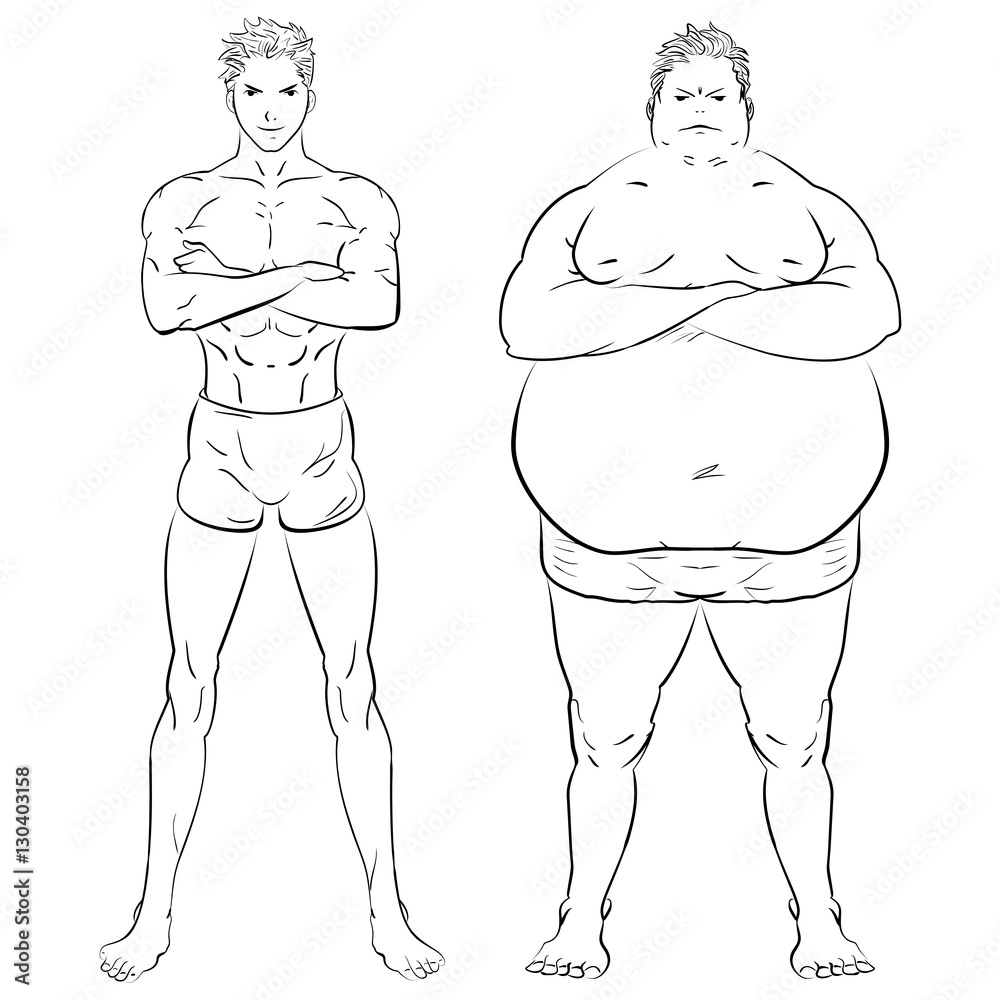
Am I skinny or are you just fat? I see quite often on social media on body shaming or just people looking for shortcuts on how to become skinny or fit. All of these “tips” I see come directly from Instagram for the most part. So whenever you do one search, more searches appear quite often with what you searched previously, so those recommendations will keep appearing until you search something completely different. From these searches, I see videos on how to lose fat easily which is through intense dieting which never works because it is more work than going to the gym and it makes you miserable. In a podcast, I listened to “Is Being Fat Bad for You?” and around 1:17:00 mark, one of the speakers says, “There is not a single method of weight loss that is non-surgical that meets the standards of being evidence-based treatment”. They mention that there are people that are like 250 pounds and are on a heavily strict diet, yet there is barely any progress to their weight loss. People get their weight loss done through surgical means, but it is costly. At this point, you are better off just going to the gym which helps you lose weight faster if you have a personal trainer to get you to the right path. That way, you won’t need to do intense dieting nor surgery. There are videos that show the same food you eat, but with less macros. I am skinny, so I am bulking which makes me eat whatever I want in order to grow. So, if you think you are not where you want to be, ask a doctor for meaningful advice or ask a personal trainer that can help you get on the right path whether you are skinny or fat!





 Unruly Bodies