Emotional labor is a real labor

https://www.contactcenterpipeline.com/Article/managing-emotional-labor-in-the-contact-center

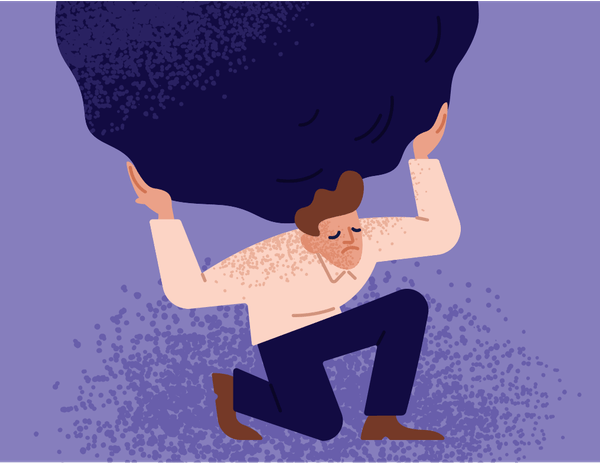
Jobs that require physical work are hard to some extent, but nothing can beat emotional labor. When one works physically others can see him/her working and they know their body is being utilized for the job. Emotional labor is more of behind-the-scenes labor that only the person going through can see and understand. If you’re physically tired from work, you can sleep it off and be better the next day. But the emotional level affects mental health in a way. For example, when I was working at chipotle which was my first job, I had to deal with a lot of emotions. While I was physically working, I would constantly get scolded by the managers for being “too slow” or giving “bigger” portion sizes. Or sending me to clean the tables off because I wasn’t good enough to be in the lane to prepare bowls. All of that took a toll on me because it was hard to manage my emotions and work in a busy environment. It was almost as if I didn’t even have time to unravel anything. That kept going on every day and the emotions kept building up. Physical labor was never an issue but the emotions that came with it didn’t do me any good. It is better to leave that job than it letting it get to your mental health because some of these people will keep reminding you that you are not good enough and can be easily replaced. However, I feel like some people are targeted and taken advantage of because they don’t retaliate in a serious situation and let the managers treat them however they continue to treat them. Not only that, but the race could be another reason, a try to get a certain person to stop working there by emotionally torturing them. I feel like sometimes, the managers and coworkers automatically put certain people in categories by how able they are, and I was “less able” for that job. It is human nature to judge people based on certain visible things and categorize them into categories and assume that they’d be bad at some tasks just because of the things they noticed in them. There is a lot of discrimination in the workplace which can lead to emotions being built up and starting to affect mental health.

A Guide: How to Ruin Your Life

Step 1: Get married

Step 2: Have kids

Angry parents arguing in front of crying child. abusive relationship between wife and husband flat vector illustration. unhappy family, conflict concept for banner, website design or landing web page
Image by pch.vector on Freepik

Now I will not lie, I dreamt of my wedding day since I was a kid. It is a want of mine but that want is slowly diminishing nowadays seeing the state of humanity. There is no compassion in people anymore, no empathy, no chivalry. Maybe I just have bad taste in men but why would I subject myself to entrapment if I won’t get all my needs met? Just like Dr.Kate said in class, more women now do not want to get married because men won’t do anything to help the house and more men want to marry in order to get out of doing housework. Why should I have to nag my husband to clean, to do simple chores? Wives are expected to mother their partners and later, kids. Not to mention that some fathers think of taking care of their own kids as babysitting. Frankly, it seems more like hell than a dream. The role of a wife is to cook, clean, and care for everyone in the family. The role of a husband is to work and do absolutely nothing after or cheat because life is too hard after having the kids they wanted. 

Currently, my new favorite show to binge is “Desperate Housewives”. This doesn’t help my views of marriage and kids either, all the characters have real struggles when it comes to marriage and kids. The children lie and are complete menaces to their mothers, the trouble they go through to raise young kids and teens would honestly make me lose my mind. It happened to three of the mothers in the show, one checked herself into a mental institution after her son falsely accused her of abuse and her daughter ran away to be with a boy, one committed suicide over a crime she did to protect her psychotic son, one started popping Adderall like candy to be the perfect wife and mother. All their husbands have affairs or work so much that they are never home to help with the kids, leaving their wives to suffer alone. I know it is an exaggeration but it is a struggle for wives and mothers to have all these pressures on their shoulders. As someone who already struggles with mental health issues, being a mother and a neglected wife would be my last straw. 

If your dream is to get married and have kids then of course follow your dreams but be realistic. The gender role of being a wife and mother makes you handle all the responsibilities alone, the husband won’t help much if even at all. Are you prepared to go down this path alone? Look at Dr.Kate, if she had kids she wouldn’t be able to go to Paris in January. Kids and marriage come with the cost of freedom and a whole lot of sacrifices as a woman. However, for men, it won’t devastate their life.

Family conflicts background with toxic relations
Image by macrovector_official on Freepik

Maternity mortality and Morbidity

Maternal mortality refers to the death of a woman from complications of pregnancy or childbirth that occur during the pregnancy or within 6 weeks after the pregnancy ends. Maternal morbidity describes any short- or long-term health problems that result from being pregnant and giving birth. Approximately 700 women die in the U.S. each year because of pregnancy or delivery complications, but an estimated 60% of these are preventable. Maternal morbidity affects approximately 50,000 to 60,000 women each year, and the numbers are increasing The United States which is one of the most developed countries in the would have such high rates in maternity deaths and there are extreme racial and ethnic disparities in rates of pregnancy-related death. Women of color especially black women are four times more likely to die during or after childbirth than their white women. 

Women of color are often not taken seriously when they talk about being in pain or discomfort. In addition, birth options are not even offered so, and these women have no choice but hospital delivery which usually tends out to be a C-sections. I would say as a black woman I haven’t had a child yet but when I hear experiences of black women during pregnancy and after childbirth it is really scary. My coworker shared her experience having a baby where more than 15 resident doctors where in the delivery room. She stated that up till date she experiences PTSD on the situation and even when she complained about being in pain, they weren’t taken seriously and was told she didn’t need pain relief and black women can handle pain very well. I think black women should be given the options and talked about these situations, because pregnancy and childbirth can be a traumatic experience and it is important to make this experience less traumatic. 

After watching the documentary “Aftershock” there is a lot I learned and took into consideration. Black women in between 845 and 1849 were used as experiments. Sims the father of gynecology used enslaved black women to develop his techniques for surgical repair and these surgeries were done without the use of anesthesia. This is really sad to know how much pain these women were in. 

Mothers who use midwives and doulas are more likely to experience physical, emotional, and informational support during labor, birth, and in the immediate postpartum period. Women of color should be given more birth options as to whether they would like to have a hospital birth or have their child in a birth center. Personally I would like to experience giving birth at a center and having a midwife and doula throughout my pregnancy.

Gender parity society: An unrealistic dream

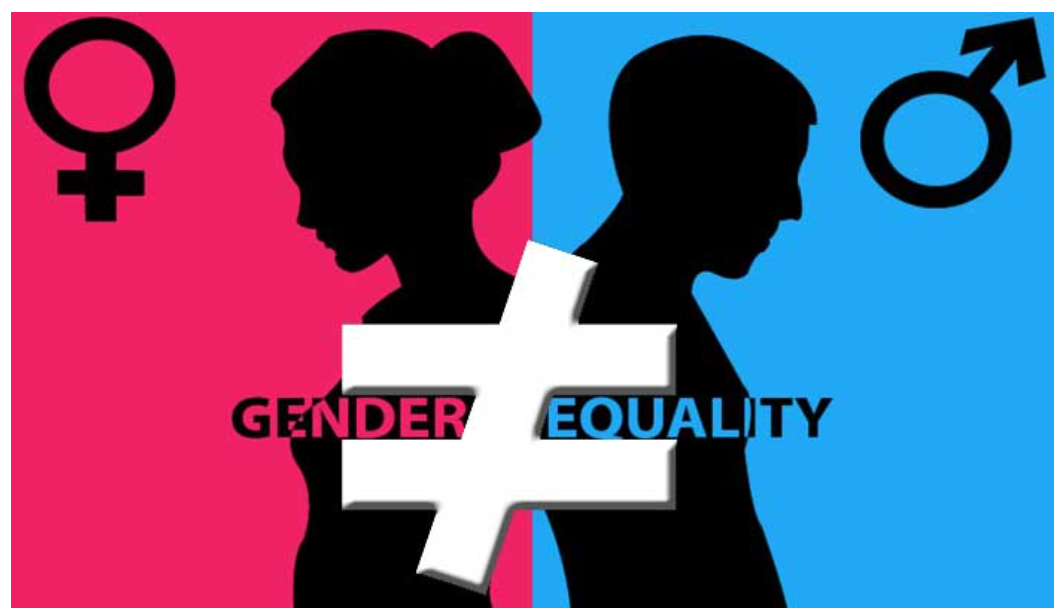
It is no secret that, despite decades of progress toward gender equality, chauvinism is still a prevalent force today.

“We need to stop buying into the myth about gender equality. It isn’t a reality yet.”

Though it is believed that primarily women suffer because of this, it would be naive to say that men are exempt from its effects. Indeed, gender discrimination can have a profound impact on both men and women, often in ways that are not immediately obvious. Men are often expected to be strong and independent, while women are often expected to be nurturing and gentle. This double standard can negatively impact them in a few ways. It can lead to men feeling diminished and devalued. For example, some people may think that all women are irrational and emotional, or that all men are irresponsible. It is difficult to know where to begin when discussing the topic of gender bias. One could start by discussing the history of sexism, how it has evolved, or even how it is defined. Mostly because of sexist stereotypes, it is thought that gender inequality only harms women. However, sexism can also be harmful to men. It is not uncommon for men to be made fun of for being weak or for being overly sensitive. These jokes are often considered to be benign, but they can have a lasting negative impact on men. They can also lead men to feel that they must hide their emotions to fit into society’s expectations.

It can also be referred to as the double standard when it comes to expectations for what men and women should do. Although it is not always easy to spot sexism, it is easy to identify a double standard. When a man behaves in a sexist manner, he is seen as acting in a sexist manner, and when a woman behaves in a sexist manner, she is seen as acting more naturally. Men who are strongly sexist can be caught in a double bind: their sexism leads to behavior that is socially unacceptable for women, yet socially acceptable for them due to their social context. This can leave them feeling confused and guilty. If they are unwilling to break the pattern, they may also feel ashamed and humiliated because they are being viewed as “chauvinist” by their peers. When this happens, they may feel overly punished or may simply feel that they are in an impossible situation.

Gender bias can also be exhibited in stereotypes and jokes about one gender. Some of these stereotypes have become so rigid that we no longer even recognize them as stereotypes.

Does my disability offend you?

Source: http://www.monicagarwood.com/06unzanwj02x4l72zo5a83tix6m8to

This week’s discussion regarding people with disabilities and the social and medical model of disability was very eye-opening and emotional for me to learn about. My mother is a burn victim that lost all function in her left hand, and still has some function in her right. Her incident happened 21 years ago, so she has adapted very quickly, although when she is in public some people stare or give her weird looks. The video of Judith Butler and Sunuara Taylor reminded me of me and my mother, and it was emotional for me to watch. My mother is an empath and she is very sensitive to how people perceive her. If she gets a disapproving look from anyone, she will automatically stop running errands and go back home. She will ask me to run errands for her instead. I get so worked up and angry at people, a look can say a thousand words. I would always ask myself, does her disability offend you? Are the slight imperfections in her skin becoming an inconvenience for you to look at? Why do people value being nice and accepting and preach about it but never practice what they say?

I have always stood for not changing yourself for others, but I supported my mother when she underwent all the cosmetic plastic surgeries to love herself. But, I believe it was other people’s perspective of her that needed altered, not her. The social model of disability focuses on making the world an accessible place for all kinds of disabilities. But I don’t think anyone would wait until everyone in the world got the memo, to be able to live life happily. To be able to feel comfortable, and not as a liability. I believe this is why some people depend on the medical model of disability, for an instant fix to a life-long impairment.

A happy ending that inspires me everyday, is after all the years of my mother struggling with her disability, she finally overcame everything and is now completing her Pharm. D. to become a pharmacist as she was pursuing before her accident. My views and opinions of disability fall in-between the social model and medical model of disability. My mother needed both to lead a successful life. She needed to somewhat conform with societie’s views by changing her appearance through surgery, which is what the medical model of disability stands for. But she also needed many accommodations throughout her undergraduate and graduate education to succeed, which is what the social model of disability stands for. Although the system of getting accommodations is not perfect, because it almost shames students for needing help. It is better than what other countries, as we’ve experienced, have. I believe in the soon future we will see a normalization for people who need are not totally independent, because it is about one third of the population. We need better education in schools about disabilities and how treat people with disabilities. There also needs to be a way to educate people about what accomidations are, because a lot of people do not even know it is available for them. Having an impairment is a struggle that no one should over come alone. Especially in today’s time, we have the resources and ability to make any opportunity the world accommodating to everyone.

Dispair / *Despair

I have many impairments. I need glasses. I need tasks repeated, written down in planners, reminded of multiple times throughout the day, written in front of me, with a harsh deadline in order to get done. I even had braces, and should be using my long-lost retainer inside a hot-pink case to keep that “aesthetic impairment” in check (sorry to my future dentist). But I don’t think I would have ever considered myself disabled until now that I’m facing mobility issues.

Read more: Dispair / *Despair

To be frank: I still don’t consider myself disabled. I just think the possibility is higher now. I’m older (not too old), and have had incredible stressors placed on my body (an example being COVID in May, as well as the mental stressor of work and a deteriorating friendship) – it’s natural for things to start “falling apart” or “not working as well as they used to”. 

But buddy, if you have these impairments – surely you’ve been disabled this entire time! Like, sure, I guess. Except for the fact that my visual and cognitive impairments are the “more manageable” impairments that I face. I have glasses, although I need to go in to update my prescription every few years. I have ADHD, although I need to constantly ensure I can get access to adderall without jumping through ten thousand hoops – not to mention admitting my amphetamine results on drug tests are because of medication, something I am always embarrassed of (another conversation for another day). Mobility impairments aren’t in the same ballpark solely because the “solutions” are less accessible. 

In order to check that my ankles are chronically messed up, I have to have routine conversations with my doctor. This means testing out theories of new/different shoes, stretches, exercise plans, and pain medications. Some of which could help, but only for a few periods of time. Others can have no impact whatsoever, or even make my pain worse. Once these are all ruled out, then comes the tests. X-rays. Blood tests. Gait checks. Then the waiting. Then the results. Then the realization, whether good or bad – that I need help. Then the vulnerable accommodations. Begging to be taken seriously, if I was even given the advantage of being taken seriously from the get-go, which not everyone is privileged to. I’m fortunate enough to be working somewhere where the walk from my car and the building isn’t too harsh, but from Parking Lot 29/Walker Apartments (wherever there’s a free commuter spot) to Engineering is absolutely unbearable. So the disability pass – if I even qualify for one – would only be for school, which already feels like a debate that’s waiting to happen: are you really disabled? 

That’s when I circle the drain. Is it easier to just accept yourself as impaired, but not disabled? But then, how do you gain accomodations for such impairments? Do you just stick it out, saying it’s not worth it and continue suffering in silence?

Why has society ruined the idea of being disabled?

Working while in School

The other day I tried to explain to my roommate that it was a privilege to not have to work while you are in college so you can afford the next semester and she took offense to my statement because, when you point out people’s privileges that’s what happens. They start talking about all the things they have done throughout their life and all the other disadvantages they face that have nothing to do with the topic at hand, so they seem less privileged. But we forget just because you are not privileged in one area does not mean that in another area you aren’t. But she neglected to understand my point of view.

 Preparing myself the night before to wake up at 6am, and going to sleep early while she is still out with friends until midnight hours. Don’t get me started with the after-work hustle, friends getting upset with you because “you don’t ever hang out with us” are the same friends who only have school to worry about because the only time you have when you aren’t in class or doing the homework you are at work. The constant exhaustion and feeling of emptiness when you get off and try to wind down, just to have to prepare for your next days at work. The actual work is less exhausting that the “consequences” of working. The worry about if you got enough hours to pay off the school before the semester ends, but also have to save up for the following semester. The worry about if you are going to be dropped by your friend group because you are constantly socially unavailable and when you are you have no energy because you just got off of work. The worry about if you are going to be written up because you were having a bad day so you were emotionless during your shift heavily relies on customer service.

Working while you are in school is so mentally and physically draining to the point where you miss classes sometimes because you can’t get out of bed, which later affects your attendance score and you’ve missed a lesson. On top of that, it is very easy to fall behind on schoolwork. You pick a shift over an assignment because the 1 hour you have between the end of your shift and when the assignment is due “is enough time.” Constantly turning in sloppy work or half-finished work or even not being able to do the work at all. Having to email professors that you might be late to their class or not show up because your shift ends 15 minutes before class starts because you worked in between class periods since every cent on your paycheck counts.

So, when my roommate told me that not having to work during school wasn’t a privilege it kind of hurt because she sees firsthand how my work schedule is constantly fighting with my school schedule. How I don’t get out of bed on Sundays until well into the afternoon because I don’t have work that day but go to bed early because I have work the next. She sees the mental and physical exhaustion but still asked if I want to go out when my answer is always no, but then she complains that I’m never around. But she is the same person who expects me to buy the food, soap, trash bags, dish detergent, regular detergent, cleaning supplies, etc. because she doesn’t have a job not only that, but she offers up the stuff I buy to others in our hall i.e., cooking oil, pans, eggs, detergent, feminine products, etc. when she didn’t pay for it. I don’t mind sharing but she shares like it’s hers to give away. I also do most of the cleaning when I get off. I feel like someone’s wife and going “home” is when my second shift begins.

we all need a day off sometimes <3

Photo by MART PRODUCTION on Pexels.com

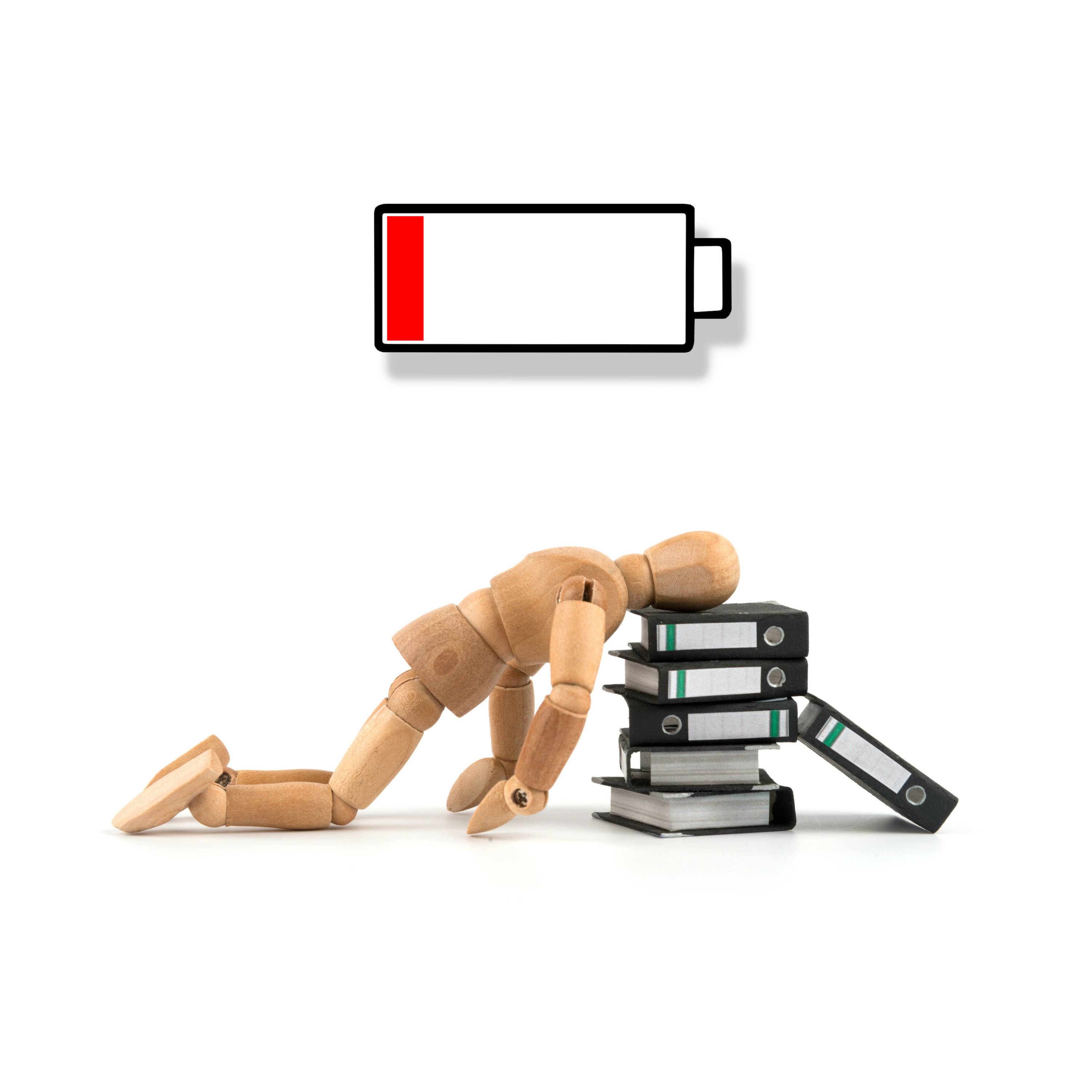
The loose definition of emotional labor is when you have to manage or suppress your emotions. This can be in any environment or around anyone including your family, friends and significant others. It’s used to fulfill the “requirements” or act how you SHOULD act. I grew up in a household where anxiety is just stress that’ll go away causing me to take on a lot of emotional labor in a lot of different environments. I am now in my very early 20’s and hadn’t been diagnosed with anxiety until just the beginning of this year after struggling with it for at least six years. I don’t think I realized how much additional emotional labor I was doing for the last couple of years. Since My family didn’t support the idea of me struggling with anxiety and I was undiagnosed, I often second-guessed and gaslit myself into thinking that I probably didn’t have anxiety, that I was just complaining more than everyone else. Forcing myself to deal with the struggles of anxiety while trying to keep up with the norms of being a 20 year old such as having a job, going to school, and trying to hang out with friends was completely overwhelming. I however felt that I had to push through those feelings so I wouldn’t be behind. A lot of the emotional labor that I encountered was self-inflicted; I was never forced into suppressing my emotions at work, school, or with friends. It was myself that felt the need to suppress my feelings so that I could be “better” at whatever task I was doing. This eventually caught up to me because I was skipping classes, breaking down in school bathrooms, and even at work i would have such bad panic attacks that they almost ended up taking to the emergency room because I couldn’t get myself to calm down, but after twenty minutes of being okay, i forced myself to go back to work despite really needing to take a nap. This is just an example of how I would cause emotional labor on myself. With that, there was also the emotional labor that comes with a job, especially ones that are heavy with customer service. I was forced to replace my intrusive thoughts and anxiety with a smile and be super attentive at all parts of the day. On days when I needed to give myself care, I had to give it to someone else because I was too scared to call out sick because technically I wasn’t sick. I mean I wasn’t even diagnosed so I didn’t even know if I was overreacting or not. At the beginning of this year I got diagnosed with anxiety and I have since been learning how to lighten the amount of emotional labor at my work so that I am not harming myself more than benefitting myself. I now do check-ins with myself and see where my head is at because I now know that if I continue to suppress the stress that comes with my work, it can result in a very bad panic/anxiety attack that can wipe out my energy for the day. I wish that I had gotten help earlier so I could have learned more tools to help manage my expectations of myself and lighten my emotional labor in every environment. To conclude my post, although we naturally experience emotional labor no matter where we are, there has been a period of time when i was taking on more emotional labor than i could handle because I wasn’t listening to my own body and its needs (such as taking a day off or requesting more time for an assignment). 

P.S. as someone who has been working in different environments and wasn’t able to get diagnosed for a very long time because of financial and family support; take a day off at work sometimes just because you need it. I promise you nothing is going to change and they wont be disappointed in you. Even if you don’t have anxiety, you still need to make sure you have time to yourself!

A World Accessible to Everyone!

A world accessible to everyone! A claim that all people are approaching when going anywhere in the streets. A disability in a person affects everyone who surrounds this person. To support my statement, I would provide my personal experience. 

Thankfully, I do not have any disabilities that hold me back from doing any day-to-day activity but my cousin does. I do not know her medical condition by name but she has trouble talking, shakiness and walking. The combination of the last two makes her walking up stairs a hard time and does require some help. Sadly there are multiple places where there are multiple stairs and it’s the only way to reach them without making a mile run around to go through a ramp which would make it easier for her and the person going with her as it is a worry that she does not have to make huge physical necessities to reach x places. 

Stairs are not a problem that helds her back from going up or down to a certain place but as I mentioned it does require a lot more effort from her and we, as her family, are thankful for this because this is an issue that not all people are able to confront. It is a fact that there are multiple different disabilities that do not abilitate people to go up or down steps. 

The best place or scenario could be UMBC’s campus. It is located on a hill and it has full stairs, actually I counted them and there were more than 150, where the ramps are located at the administrative building entrance and the library which both go all around campus (at least from what I’ve seen. Imagining me showing my cousin the campus is stressful walking all those steps up and down (which we could go around but she is very stubborn with this aspect). The campus is a simple example but the world is full of the same or similar situations and usually the simple excuses to avoid changes are “go all around there are ramps there” or “it is too costly”. 

I hope at some point people really think for everyone’s abilities and disabilities when constructing common areas.

Continue reading