Even Researchers Are Confused About Body Modifications

Even Researchers Are Confused About Body Modifications

Tattoos have become increasingly popular in America

Practices of body modifications date back centuries ago. In some countries body modifications are sacred, separates class division, a set standard of beauty, or rites of passage; thus making it a ‘norm’ in their community. In the United States, some types of body modifications have become almost a standard norm, compared to past history. The body modifications that are becoming increasing popular within the U.S. are piercings, tattoos, hair coloring, body-building, tanning, dieting, and cosmetic surgery. 

What is the reasoning behind why these types (semi-permanent or permanent) of body modifications are becoming increasingly normal? Unfortunately, this it is a hard question to answer and it all depends on the individual. Some people may do body modifications to perfect or correct their appearance, some may seek to improve their body-image, some may just do it as an impulse with no reasoning behind it, and some may use it as a creative self expression (Swami 2011).Regardless of the reasoning, individuals may come to regret the unintended negative consequences that comes along with their body modifications.

Continue reading

Give me some elevator space!

One time, maybe a few times, or maybe every time you enter an elevator you get a weird feeling or is it just me. Sometimes it gets so crowded in an elevator that we as people are bumping in to one another accidently and accidently.  I have a story… one time in an elevator, I was so squished between people in an elevator that I was rubbing all on top of someone because people just kept coming in like I’ve never seen before. I didn’t know if everyone else felt the same way or if it was just me. I feel as humans we like to have a more space, but at the same time we like to get to places as fast as we can, so we try to all cram together to get as many people in as we possibly can.

            Well in the elevator during this specific time, a guy was touching my hair with his beard because he was taller than me. I couldn’t even move to see what it as touching me until some other people exited the elevator to see him there still way too close to me when there was more room at this time once people exited. So I had to say something to him because he didn’t understand my gestures, which were all hinting for him to give me some space to move.

            Specifically, from reading “the body reader”, in Arthur Frank’s piece of writing states “A medical anthropology unable or unwilling to examine how culture infolds into the body (and, reciprocally, how bodily processes outfold into social space) is not very likely to get far in the conceptualization and empirical study of the sociopolitical roots of illness or the cultural sources of healing.” I really like that quote because it proves to us that we feel the need to infold our bodily fluids and motions as humans because we don’t want to be judged in a bad way. It reminded me of my time in the elevator because I didn’t know whether to say anything to the man about giving me some space.

I definitely felt very awkward and couldn’t understand why he wouldn’t move. Just like we discussed in class about out body’s being open in any type of way gives off the impression that we are “dirty” or “unmannerly”. I just would love to know how other personality types feel about the elevator situation I had experienced. Body and mind both are connected and not connected at the same time, which is so mind blowing to me. As a human I feel like sometimes if we didn’t have certain norms about how our bodies are then there wouldn’t of even been that thought in my mind in the elevator.  As well as the others in the elevator witnessing this situation… did they even find it weird? That’s what so wild about all the different types of mind’s there are in the world. The mind is such a insane part of our body that no one will ever think the same. Has anyone else had these thoughts or a situation similar?

“The body reader” Edited by Lisa Jean Moore and Mary Kosut.

Twisted “Reality”

Twisted “Reality”

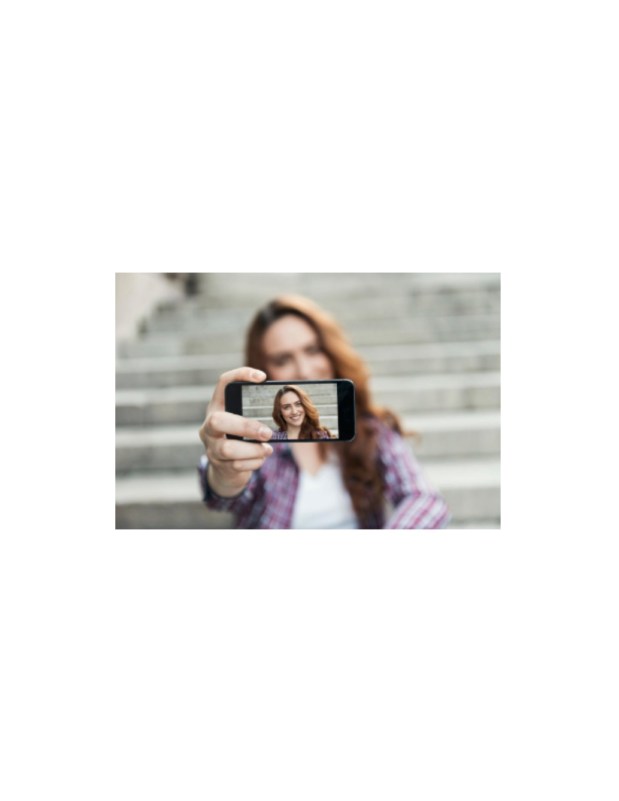
Are you consumed by social media? Media today has become a frenzy. Beyond the communication aspect the latest “alarming trend” described in an article published in the Washington Post describes the cyberculture as a new phenomenon not only for the “selfie-takers” but as a booming commodity on the rise for doctors and the plastic surgery market. A recent survey disclosed that “Americans spent an estimated 16 billion on cosmetically surgeries” alone.

Continue reading
I’m Really Not Gay Tho

I’m Really Not Gay Tho

The connections between race and sexuality that Patricia Collins mentions, for me, are really relatable. Even though she and many other feminist studies writers have focused on African American men and prison power dynamics, as an Asian man, I can see exactly what they might be talking about in my own history.

When I was growing up, I had a really high voice; it was really really high. Some people might have said things such as, “You sound like a girl”. It really was that high pitched. And ultimately, many people at my school assumed that “He must be gay”. It’s true. People even asked me about it.

When I told them “No”, many of my peers were confounded. “That can’t be!”, they said. They assumed I must be lying and this was big issue for them for a long while. But then, many people suddenly turned around and said that I wasn’t lying after all. And I was confused.

It turns out, according to some individuals, that my voice was so “feminine” because I was Asian. “Asian men are just much less masculine and we should just accept you because you can’t help but be that way”.

Now, I realize that this was an example of the connectedness between race and sexuality. Like African American women or the less masculine African American men that were called “bitch” or “dicksucker”, my say on who I was was ignored by my surroundings but instead got replaced by peoples assumptions. And conversely to African Americans who were threatened because of their race, I was “validated” as acceptable because of mine.

No one paused to think that my sexuality, a private issue, was being violated. And then no one stopped to think that “blaming” a whole race of people for my “situation” was sort of racist. Reading such passage has enlightened me that, in this scenario, there were interlocking systems of power at play. Race and gender, in my case and many others, were used as intersectional societal methods of control at the expense of those affected by such assumptions.

“The Body I Wear Is Not Perfect”

selective focus photography of skeleton
Photo by Chris Mitchell on Pexels.com

When thinking about the beauty standards of today it’s hard to ignore that bodies within magazines and television are rarely realistic goals for the general public. With bodies that range from what some may consider skinny to what others may consider thick, it’s important that we acknowledge all bodies contain a life within them. Looking at myself in the mirror can be difficult sometimes as I don’t believe my body is what society deems as attractive. Attractiveness is different for each gender as what is subscribed for males and females are different though this is changing it still holds today that men should be muscular and that women should be small and hairless. Focusing on the physical aspect of the

Continue reading

Walls and Not Wanting to See…Even on the Daily Show

“Do you think there is something we could do to improve how we see other human beings who are struggling?” –Trevor Noah, Daily Show, 01/07/2019

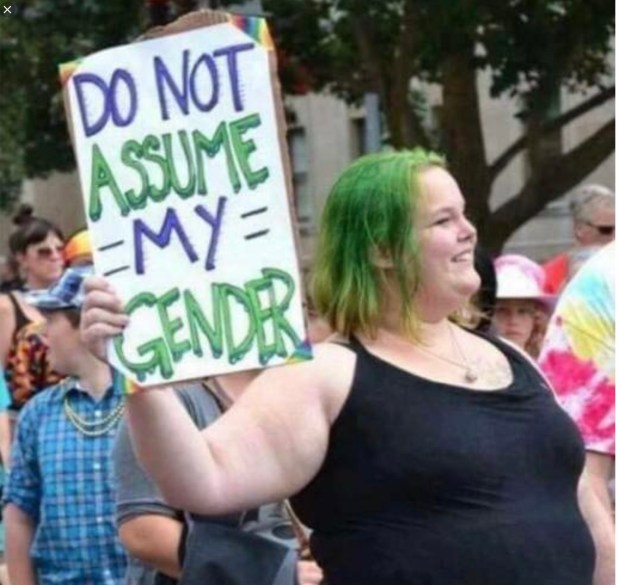
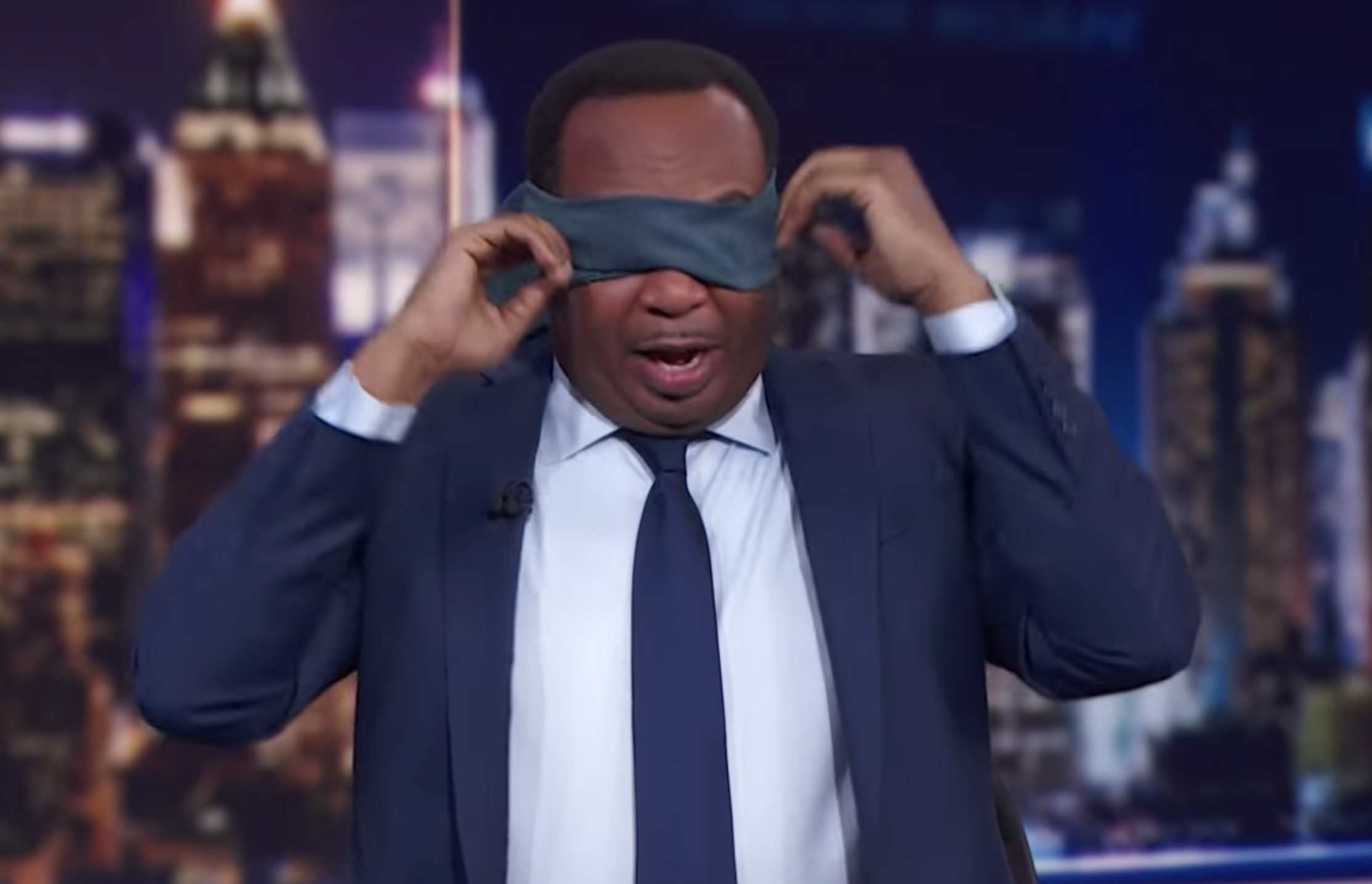
Collins picture     Image result for malala yousafzai   Image result for roy wood jr blindfold challenge

Watch Trevor Noah’s interview with Malala Yousafzai

Tonight President Trump will hold a press conference, presumably about the xenophobic wonders of the border wall.  Ahead of his desperate interruption, Malala Yousafzai’s new book, We Are Displaced, comes out today, telling stories of refugee girls around the world.  Yousafzai’s global focus developed from sharing her own experiences through discourses of media and academia into a project of listening and responding to girls victimized by terrorism.  Dr. Patricia Hill Collins has long been on a similar journey, sharing her own story and the story of her community.  She brings the layered cultural and physical constraints on Black women to the media and academy and now appears on the international lecture circuit, [1] affirming that intersectionality is a driving force all over the globe.

In Yousafzai’s January 7 interview with Trevor Noah, he noted “Being a woman or a girl who is a refugee exponentially increases how difficult that journey is.” He encouraged her to speak about specific refugee experiences, which she did, careful to use universal language when describing motivating factors—how it must feel to be without parents or facing the threat of unnamed violence. The studio audience showed appreciation for Malala; as viewers, we could feel good about knowing who Malala is, clapping for her and taking a few minutes to listen to her. To feel truly good about tonight’s episode though, is to get run over in the intersection, because Malala’s interview followed a segment on the new Lifetime documentary, Surviving R. Kelly, and in both the segment and the interview, the lived experiences of women of color were concealed even when they were ostensibly the subject under discussion. We need Dr. Hill Collins to guide us back, if not to safety at least to an awareness of the danger.
Continue reading

Am I real or am I a…computer?

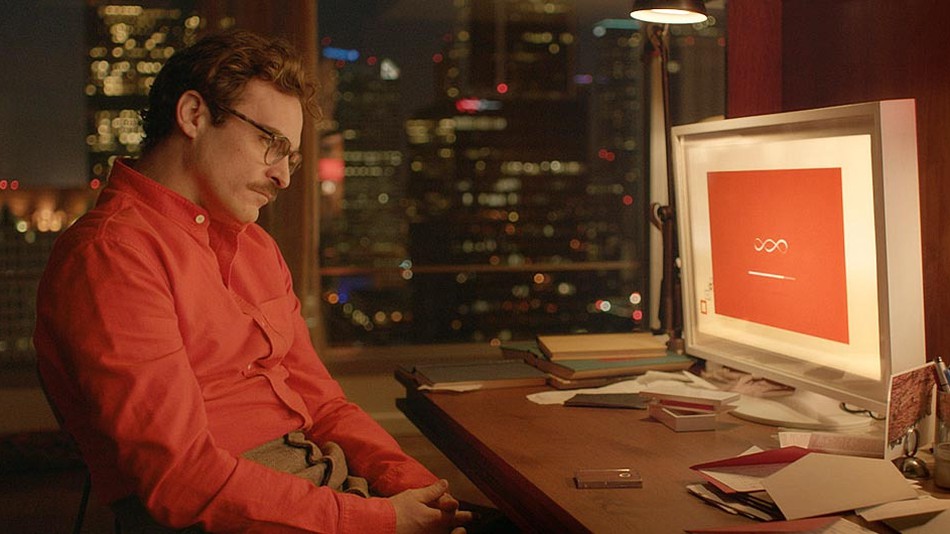
Joaquin Phoenix as Theodore in the 2013 motion picture, Her. Credit: https://mashable.com/2014/01/15/her-singularity/#vKn1ZI74NsqN

I remember when I first saw the movie Her in 2014. It does not seem like that was too long ago, but times are different now. Back then, I wondered if having a relationship with artificial intelligence would ever be possible. Nowadays with things like Amazon Echo, Google Assistant, and even Siri, it feels like that possibility will soon become a reality. Continue reading

Therapeutic interventions for dealing with mental health behaviors.

The increasing number of Americans living with some form of mental health Problem has prompted the need for treatment facilities to help tackle this problem. With the establishment of such facilities, ethical concerns has been raised about the available forms of treatment. Mostly, hospitals and other mental health facilities employ the use of a variety of treatments, including the use of anti-psychotic medications which are for the most part used in conjunction with other forms of therapy. In most cases, hospitals attempt to refrain from the overuse of such anti-psychotic medications, in favor of other less invasive methods. If a decision is made for it to be used however it is usually accompanied by some form of written or verbal consent from either a guardian or an individual that has been deemed mentally capable of consenting to treatment. Combing the use of medications and other forms of therapy is generally enough to effectively limit an individual’s symptoms, enabling them to return to the community and be productive citizens.

Sociologists view an individual’s body as an agent of communication, especially as it relates to mental health, and identify one problem with “the disciplined body”; the inability to maintain self-control. Unlike an infant with a complete lack of self-control, a fully grown adult is expected to have the ability maintain or conceal the loss of such control. However, when an individual has completely loss the ability to maintain self-control, a situation might arise in which there is need for use of medications without
consent from the patient. Others might arise in which the is dire need for
mechanical restraints such as in a situation in which safety can’t be
guaranteed .Implementation of such treatment routines often raises the
possibility of ethical violations, for instance what are some effects to the
mental health of an individual whose mental well-being is already compromised? How might such loss in agency through the trauma experienced from being physically restrained affect the overall well-being of an already compromised mental health? In such instances of complete loss of self-control, a facility designed for care of mental illness, and equipped with a team of Doctors psychologists and nurses is expected to come up with techniques that can be applied to therapeutically remedy the situation and allow  the body to adjust to a stressful situation at hand.

From inferences drawn from past experiences, mental health
professionals are beginning to design new and better ways to dealing with these problem. At the top of their list of priorities is coming up with ways that help prevent mental health behaviors from escalating in the first place. One technique is to instill policies with strong guidelines on procedures to follow when faced with such escalating behaviors. One of such procedures consists of the use of a set of choices termed “Triangle of choices” to help mental health professional deescalate seemingly agitated behavior. Such choices ranges from offering several therapeutic items of choice to an agitated individual like music or quiet time to allow for reflection. In some cases, prescribed doses of anti-anxiety medications can be used only after the first two attempts at de-escalation has failed. With successful implementation of these techniques, it is only on seldom occasions in which such behaviors escalate past the verbal stage and there is limited chances of a traumatic experience since there is no use of physical restraints or forced medications. With the sudden jump in number of incidents of police brutality due to alleged failure of compliance by citizens, implementing techniques aimed at deescalating evident loss of self-control could drastically reduce such incidents and limit the number of deaths from police brutality.