
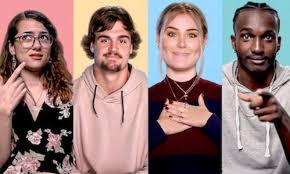
On October 9th 2020, Netflix released an 8 episode documentary about deaf college students who attended the most prominent deaf college, Gallaudet University in Washington DC. When the documentary was announced earlier in the year, a lot of the deaf community withheld their praise, as the show was being run by Nyle DiMarco, a famous model, actor, insert other things here, who is also deaf. He has a reputation in the deaf community for being… unable to read the room, so to speak. Most people who had heard about the show and who were not deaf or connected to the deaf community in any way were excited to see a show that gives them insight into the lives of deaf people and gives them an opportunity to learn more about deaf culture. I was curious to see what this documentary would be teaching hearing people about “the deaf way.”
The trailer already gives me (and some of the deaf community) cause for concern. There are zero, i repeat zero, Black deaf women featured in this trailer. There are deaf people in the trailer who place deaf experiences on a hierarchy. All in all, I had my doubts about the so-called documentary, but I watched anyway. (Blame boredom due to quarantine or something)
A documentary is defined as a non-fictional motion-picture intended to “document reality, primarily for the purposes of instruction, education, or maintaining a historical record”. Basically, a documentary is supposed to teach the audience something new. DeafU is not a documentary. DeafU is, at best, a reality show. This show teaches next to nothing about deaf culture or deaf people. There were so many instances where the show could have taken time to teach the audience about what they were talking about and where it came from or why it is important in the deaf community, but they just chose to film drama instead. One example of this when they bring up the ‘Deaf Elites.’ As a hearing person with no knowledge of the deaf community, this might be the first time you hear about the deaf elites, so as a documentary, the show could have taken a beat to explain what the deaf elites are and how they can affect the lives of other deaf people. The only time they actually explained something from deaf culture was when they explained what sign names are and why they are used. Other than that, the show was pretty much just like any other reality show you find on tv, with random people sleeping with random people, people hiding pregnancies, bullies, and everything in between.
Don’t get me wrong, I loveeeeedddd that part of the show, but the whole point of the documentary was to teach, and I feel like the message was intended to be “deaf people are just like hearing people.” Is this the right message to be sending? Is the goal here supposed to be assimilation? Should we as a culture embrace what is similar about each other or can we move forward by learning to incorporate our differences as well? I would encourage some of you to watch it (if you have time) and let me know what you think, if you learned anything from it, if you didn’t feel like you had to learn anything from it to have a good time.


Judging by your review of the series, I’m led to believe that tonal dissonance is definitely a major issue here haha. Perhaps if they would have promoted it as a standard, run-of-the-mill reality TV show about deaf college students getting into trashy drama as opposed to a documentary with the promise to educate, then there would be less accountability on their part to really teach the (particularly hearing) audience in-depth about various aspects of deaf culture – the audience would just simply know that they’re here primarily for the trashy drama and can Google the things needing education on their own time.
I feel as though this dissonance also feeds into the conflict with the manner of deaf representation in the show overall that you talked about. I’m a firm believer that minority groups are not obligated to make their media dedicated to social commentary or education because lived experiences do not begin and end with what makes us different and serves as the catalyst for our discrimination – we honestly do just do the regular shit the majority does a lot of the time. Making that assertion doesn’t necessarily mean that a particular minority group wants to assimilate into the majority, but rather, wants to (even for a brief second) decenter differences and discrimination and focus on simply living life. Though, of course, you can’t TOTALLY extract differences from the daily lives of individuals belonging to minority groups since they do hold great weight in shaping our experiences*. At times, you absolutely cannot avoid addressing it. I think what matters most is determining how much presence/attention you choose to grant them and how you handle addressing them. I believe going forth, what the show can do best is strike a balance between the two: Yes, deaf college students share many similar experiences with hearing college students contrary to popular belief, but also acknowledge that it’s important to give us some context as to how being deaf (and other intersections of social identity) might change the ways in which these experiences play out. It just feels like their initial conception of the show, how they actually went about executing it, and how the audience received it is creating a lot of ambiguity and drawing some criticism they perhaps wouldn’t have gotten otherwise if they were more clear with their intentions of what this show was supposed to accomplish and actually went through with it.
*A great example of how difference cannot totally be extracted from lived experience lies in the problem you presented with there being no deaf Black female representation in this show. Looking at the demographic info of Gallaudet University and D.C. in general, there’s really no excuse as to why they couldn’t have cast at least one Black deaf woman, so if the show gets renewed for a second season hopefully DiMarco and Co. will rectify this as promised. The differences in lived experiences based on race definitely exist amongst hearing people, so we can’t pretend as if they don’t exist amongst deaf people, too.
All in all, you definitely piqued my interest and I will be adding this show to my watch list for upcoming break!