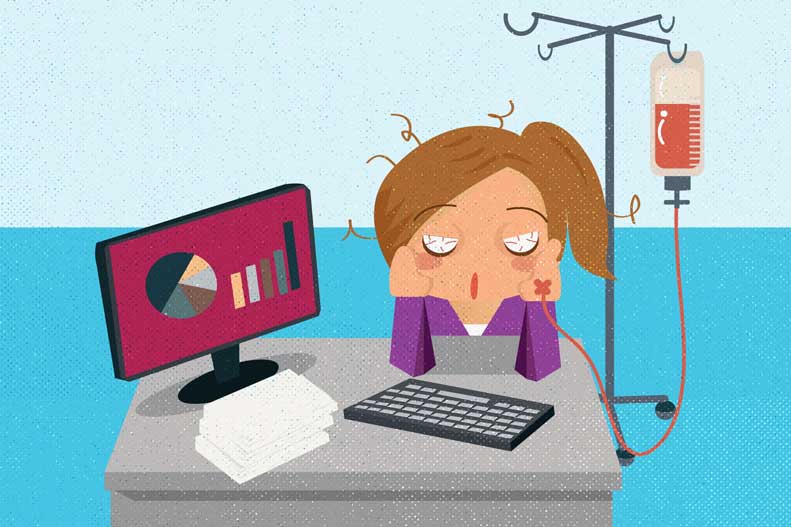
What Covid has taught me about being sick

It has almost been two years since the onset of the covid pandemic. While looking up the timeline of this pandemic, I thought “Really? Only two years?”. That sentiment shows how much covid has had an impact on our lives. Obviously covid has changed many things about daily life, but it has also exposed intrinsic problems within our society. Despite changing many things, one thing that has remained the same; American society has a huge stigma against being sick.

 On Wednesday of last week, I started to feel like I was getting a cold. Despite this, I started to get ready for class. I had already missed Monday and I didn’t want to miss another day that week. The entire time I was getting ready I felt miserable and I kept complaining about my headache. Finally my girlfriend made me stop and took my temperature; I had a fever. I was frustrated because I definitely couldn’t go to campus now. Instead of being worried about my health, I was worried about missing class. Looking back, it was a good thing I didn’t go to campus, the next three days I laid in bed with a 102 degree fever. 

While I didn’t have covid, it would still be extremely inconsiderate to come to campus and spread the yuck. This is when I realized how strange the sentiment towards illness is in America. In the precovid times, it was so common for people to go to work sick, sacrificing their health and wellness to make money and seek approval from their bosses. In the meantime, they are getting their coworkers sick too. When we get sick now we panic that it is covid and rush to determine that it isn’t so we can continue on. But shouldn’t we care about our bodies handling a cold just as much as we worry about covid? We view illness as an inconvenience and that is true; it disrupts our normal routine and makes you miserable. But instead of focusing on healing and protecting those around us, Americans “power through”. In short, covid has taught me that american society has their priorities in the wrong places. Why did we ever think it was normal to expose other people to a cold?
Asking For Help At Work

I finally asked for help at work. Between midterms and the start of the holiday season, I was starting to become buried in work. For me, the state of being burnt out is comfortably-uncomfortable. Despite feeling miserable, I tell myself it is easier to just power through and get to the end. And honestly, I am just afraid to ask for help. For some reason it is more comfortable to try and power through instead of telling someone I am struggling. In class we talked about the urge to just power through our obligations; it made me realize, why am I putting myself through this? 

During my most recent shift I stepped back from the register during a rush and walked to the back office. I told my store manager I was tired of being at the front every shift and she validated my feelings. It was so strange to actually have something go my way for once! What I don’t understand about myself in this experience is I knew my managers were accommodating. Yet I still let myself slip into burn out. People, including myself, can feel ashamed in admitting they need help, or they feel they have no other option. I convinced myself people would think I was being dramatic or just trying to get out of work.

While I knew my managers would be understanding, they still did not make consistent attempts to make sure their employees were doing okay. When I was hired, they told me they would do regular check-ins to evaluate wellness, yet I have not had one such discussion in the year I have worked there. I believe that managers need to regularly and empathetically check in with their staff and allow employees to rotate rolls as needed. This creates a trustful environment where the staff feels comfortable to approach managers for help.

Speaking Up in the NFL

Having a meaningful, long-lasting conversation with my father has always been difficult for me. Sometimes he can drain all the energy from you with his pessimism. Despite this, there has always been one thing the two of us can talk about animatedly for hours: and that’s football. My dad started bringing me to Ravens games when I was a kid; these times together allowed us to not think about any of our issues. While I have always loved the game, it is hard to ignore the glaring toxic and racist masculinity that occurs in the league.

Last week, the head coach of the Las Vegas Raiders, Jon Gruden, had been found using various racist, homophobic, and misogynistic insults in emails from 2011-2018. As a result, Gruden resigned from his position. I 100% agree that Gruden should have been removed. What I question more is; what does it say about the corporate NFL environment that he felt comfortable to use such language for such a long time? And if he gets removed for this, what about the sexual harassment allegations against Washington’s Dan Snyder? Furthermore, what about the countless players that have had domestic violence charges?

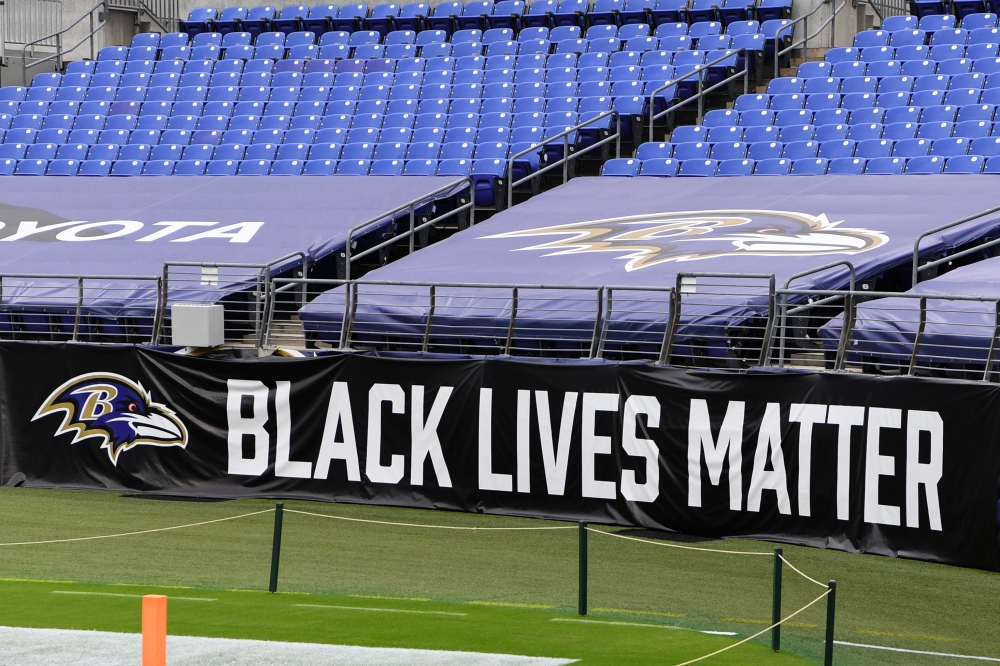
In recent years, athletes who speak up about racial injustices have been told to “just stick to sports”. When you speak out, you get ostracized and invalidated. While there has been some notable progress like player campaigns for mental health awareness, Carl Nassib coming out as the first active gay player (and receiving a lot of support), and clubs explicitly supporting Black Lives Matter, there is still a very noticeable tension about standing up for equality. This dynamic around the NFL is one I can correlate to the relationship I have with my dad; we watch football and try to repress the other issues of our lives.

I believe that combining dangerous “locker room talk” attitudes with the toxic masculine tendency to repress allows the issues of the NFL to fester. They have removed several leaders for controversies like Gruden’s, yet the scandals still occur. To engage in true progress, the organization must have an open dialogue with the administrations, players and even fans about the very important issues these “scandals” are about. It is difficult to talk about the uncomfortable issues of life but it is vital if we are to expect substantial change.

I’m Just Tired

I sit here trying to scour through my mind for anything substantial that my brain can focus on. I was trying to find a meaningful topic relating to my identity and phenomenology. But the truth is I am exhausted. I know I am not alone- many that read this may work and do school fulltime as well, and you know how draining the two can be. Most of the times when I am exhausted, I just want to distance myself from my body and mind. I can go days navigating the world, accomplishing the academic and work goals that I am expected to meet, without feeling fully conscious or present in my own mind. I lose massive chunks of my life to the draining monotony of exhaustion, depression, and the unconsciousness that follows.

Continue reading