Sinisterly Solitary

Something that I often ponder about is the utter chaos within our country’s prison system, and the many people who are severely wronged by this daily. While the U.S. seems to have an endless number of flaws, this one really gets me wondering. I haven’t done much research on this particular topic, but I do know that innocent people, or those who may have committed smaller crimes, are much too often wronged with extensive prison time. From what I’ve heard, it seems as though our country doesn’t allot enough resources to helping those in prison who may not actually be guilty.

What I wonder about is the fact that something this threatening and life-changing could truly happen to anyone. Who’s to say that you won’t be in the wrong place, at the wrong time, and end up being blamed for a crime? It’s scary to imagine that one’s life could be turned upside down so quickly, simply due to unfortunate circumstances. Being in prison is no life to live, and I’m sure many in prison would prefer death, which usually isn’t an option. I simply cannot imagine being trapped and isolated from the world, and any sense of freedom, especially knowing that you’re innocent.
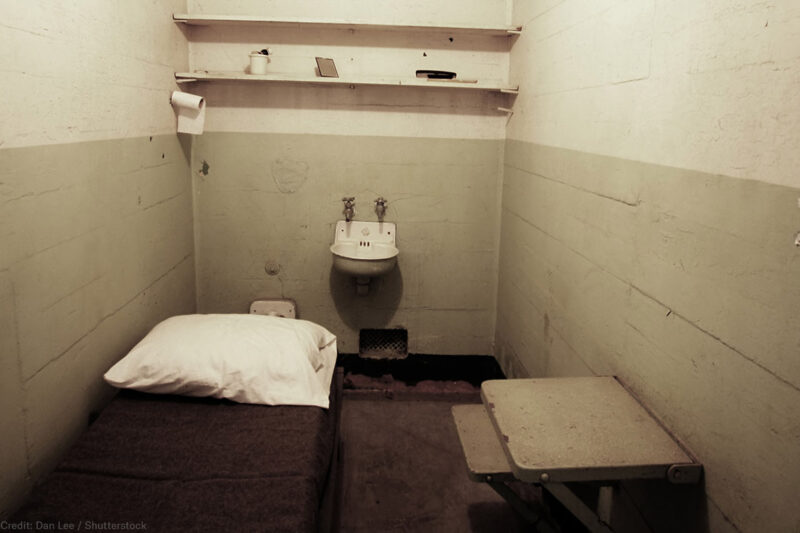
This relates to the film that we watched in class, The Strike. Another aspect of the U.S prison system includes the concept of solitary confinement, which is when prisoners are locked up and kept away from social interactions, pretty much 24/7. In The Strike, the prisoners discussed working out in their cells to stay busy, having food and books delivered to their cells, and talking to each other through the vents during their ‘outside time.’ While some prisoners truly deserve the worst of the worst punishment, people are too easily placed into something as mentally tormenting as solitary confinement. I can only imagine how a person would lose themselves and their identity, hobbies, dreams, and so much more by being put through this psychological torture.
The U.S prison system is consistently in need of major reform.

A Society Built on an Unattainable Standard

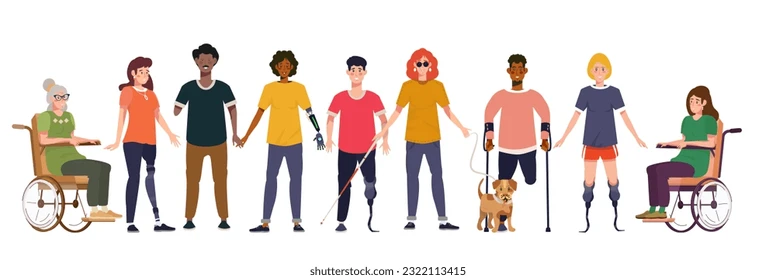
I’d like to know the who, what, when, where, and why behind the time in human history where it became a concept to have an ‘ideal’ type of person within society. Who’s judgement of another person decided that having a thinner body type is ‘normal,’ while having a bigger one is not. Or, are these judgements just an innate human nature, that was always bound to be unavoidable? I truthfully wonder why people’s judgements and opinions towards certain types of bodies became so prominent/trendy. These bounds within society seem nearly unbreakable, as in, can we ever really alter these narratives? This goes hand in hand with the question of: who decided what a ‘normal, nondisabled body’ looks like within society? Why was it never initially concluded that there can be multiple versions of ‘normal,’ and why isn’t being simply human, normal enough? Insecurities are oh so prominent amongst humans, particularly due to the crafted narrative that’s come to be, surrounding what the ‘preferred body’ is within society. It’s all too common for people in today’s age to feel the need to ‘fix’ something about themselves. Whether it be thinking that you’re too big, you’re too small, your nose is too big, your lips are too small, etc., it seems that hardly anyone is ever fully satisfied with how they look, and I believe that this didn’t always have to be the case. Obviously, society has always been excluding and hateful towards differing groups of people, so the current global dynamic full of insecurities and judgement is anything but surprising. The film Crimp Camp strongly supports these concerns as a sense of normalcy was experienced by the campers when they existed together in nature, away from society’s restricting expectations. The film emphasizes that ‘normalcy’ is not a simple definition, but a spectrum of human experience.

Growing Up Blissfully Feminine

The other day, I opened Instagram to a post by one of my grade school classmates, with whom I grew up for most of my life. They were discussing that they identify as “non-binary” and wrote a short piece describing their struggles growing up with these confusing feelings. I was happy that they were able to not only recognize how they were feeling, but also announce it to their mutuals on social media. The thing is, this story yet again reminded me that you truly never know how someone is experiencing life on a daily.

This experience in particular reminds me of Susan Stryker’s Frankenstein essay, as she explores the embodied experience of living in a gendered world that doesn’t quite fit one’s perceptions and feelings of their own identity. I can only imagine how frustrating these feelings must be, especially for a child.

I recall being in school with this person from elementary school all the way through high school. We were in the same classes, had the same friends, and even went on the same field trips together. I can still recall the time that we went on a canoeing field trip to observe the SAV (Submerged Aquatic Vegetation) in our local Chesapeake Bay, when we flipped our canoe and dumped ourselves right into the water. I always joked that we got to see the SAV “up close.”

I’ve made some good memories with this person, but until now, I hadn’t seen anything from them since high school graduation; I’d actually forgotten that I followed them on Instagram. Despite the joy that I felt knowing my old classmate had rediscovered themselves in a new way, I couldn’t help but think about all the times we spent together, while they were struggling with an internal identity crisis, and I had no idea. I absolutely loved my childhood. I’m so blessed to miss every part of growing up as a girl in the way that I did. My classmates’ post was yet another reminder of the sad truth that, ultimately, most people weren’t as blessed to have had the picture-perfect childhood that I did. I truly wish them the best with the rest of their identity journey and hope that they’ve gained some clarity and peace within themselves.

What Lies Behind a RBF

Little did I know when coming into college how many opinions were really out there regarding my resting face. Who knew that there’d be so many comments and concerns about me when I thought I was simply going about my day-to-day life?

I never thought much about the way that I looked while walking around, minding my own business in public spaces, but apparently, I don’t look as content as I may feel. I remember walking to Potomac Hall, where I lived during my freshman year at UMBC, when an employee from True Grits said, “Having a bad day?” I can’t exactly recall what I said or how the situation occurred, but I believe he followed with “You look mad.” This, of course, caught me completely off guard, and I’ve been aware ever since of how I come off in public spaces.

Truthfully, it bothers me most when my friends mention times that they’ve seen me out and about, unsure of whether I was doing alright or not. I also have a tendency to be ‘in the zone’ when walking about, so not only do I accidentally ignore my friends, but I do so with a certified ‘RBF.’ I always feel terrible and apologize, but times like these can’t help but make me laugh, as I know that my friends can see right through the RBF.

This ties into concepts from Iris Marion Young’s “Throwing Like a Girl: A Phenomenology of Feminine Body Comportment, Motility, and Spatiality,” and how women’s lives are often associated with confinement and enclosure. To those in public spaces who don’t know me personally, it’s probably easy for them to assume that I’m the closed-off, keep-to-myself type. Men may be quicker to assume from looking at my face that I’m not as happy as I actually am. So much is assumed about women based solely on their looks. While women certainly have a whole lot to be angry about, we don’t necessarily aim to visualize our feelings as we go about life on a daily basis.