Serendipity

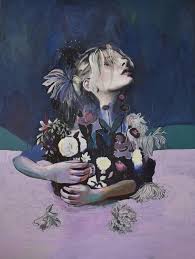
Artist: Alexandra Levasseur // Painting of a woman with fair skin, and white blonde hair in an updo, holding beautiful bouquet of flowers and looking away from them with eyes closed. Some flowers have fallen off of the bouquet, turned grey. Colors are muted with cool tones. This painting can encapsulate what it looks like to ignore a meaningful or beautiful coincidence–or a serendipitous occurrence.

As the semester is coming to a close and I’m so close to receiving a degree I worked for 5.5 years for… I find myself in deep introspection about my life. With this fast paced thing we call life, it’s hard to conceptualize it all–all of the things that happened in between then and now. Then being when I was a kid or teenager…from muddling through school, figuring out who I wanted to be and who I really am, building friendships and relationships–some ended and some flourished, making mistakes, making big decisions, accomplishing things I never thought were possible. To now: being a young adult, graduating college in about a week, living through a pandemic, thinking about my future (career, relationship) and my past (trauma and growth from that), the future of the world, thinking about who I’ve become and almost everything in between. After going through so much already, it’s scary to think about the future and to make plans for it. With this new step, I’m scared of failure and the unknown. But, I don’t want to not recognize the things I’ve accomplished, or what I’m capable of… or not recognize my worth. Despite the things that are out of my control, I should focus on the beauty of life and everything that comes along with it, right?

Continue reading

Chronic Illness & My Little Sister

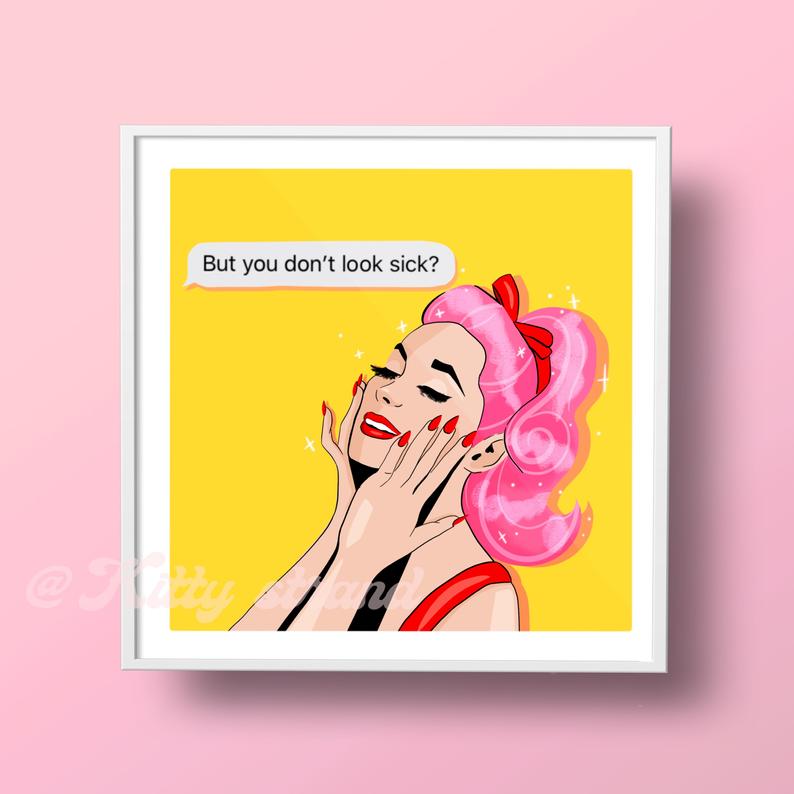
Art by KittyStrandDesigns on Etsy: https://www.etsy.com/shop/KittyStrandDesigns?ref=simple-shop-header-name&listing_id=818998658

My younger Sister suffers from a chronic illness, and has been for most of her life. There wasn’t a day within the last 10 years, at least, where it didn’t affect me, as her older sister–her protector, or my Mom–her caretaker, and her advocate and most importantly her. It has been debilitating for our family–in terms of our relationships with one another, her success and wellbeing, overall stress, and her future. I want her to be happy, I want her to live her life to the fullest, I want to see her grow, I want to see her laugh without masking herself… I wish she didn’t have this extra obstacle–I want my Sister.

Continue reading

Hygiene Product Shame: Pads vs. Tampons

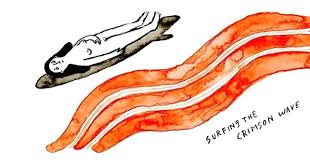
For as long as I can remember, I’ve always used pads when I had my period. I was NEVER able to get a tampon in– it was uncomfortable, hard to insert because of the shape of my vagina, and just–not something I was socialized to use, I guess. When I was 11 and had my first period, I was traumatized and in so much pain. I never knew really before then about hygiene related to periods. My Mom told me I wasn’t old enough to use tampons yet–so she bought me pads and explained how to use them, how often to change them, etc. I remember asking when I could use a tampon, but I don’t remember the response.

Now at 23, I’ve never used tampons regularly. Only if it was an emergency, and that was a whole process in the bathroom! But, whew, there have been times where I felt so shamed and weird when others would say, “OH. MY. GOD. You still use pads?” I remember my face getting hot and just being like, “Yeah…?” People would question my choice on how to keep myself “clean” when I menstruate saying, “Oh, are you too tight? Haha, tampons are better, and cleaner. You’re just not putting it in right.” Over time, I’ve just ignored that rhetoric about what people think I should be using because of the shame associated with their words, and lack of understanding. Some hold the stereotype that pads are juvenile, and tampons are for ‘grown women.’ But it still gets to me sometimes. This past summer, I went to the beach with my friend (who has always used tampons). I started my period and I wanted to be able to swim, so I reluctantly asked her at the age of 23 to help me put it in. She spent a good amount of time with me in the bathroom, literally watching me put it in–she even attempted to insert it for me. But, there was no luck. In the end she was like, “Wow, I see what you mean now. I’m sorry this doesn’t work for you.”

Out of all ways people with uteruses have been controlled related to their reproductive organs and health, this is another way I feel the patriarchal system has perpetuated how we should respond to menstruation and uteruses–the use of tampons. The idea of a phallic object being put in a vagina to control and catch bleeding doesn’t sit right with me, especially it being designed by a male doctor (Dr. Earl Haas in 1860). When the topic of reproductive labor was brought up, and I was reminded of my own shame surrounding my uterus, menstruation, and vagina. Especially with the aspect of men using women’s bodies for scientific purposes, and shaping the way we experience them through what they prescribe for people with uteruses.

People with periods should be able to use whatever they want if/when they menstruate. That includes using pads, tampons, diva cups, and doing free bleeding without a negative stereotype being attached to whatever method they choose. One’s reproductive organs are personal, and the what people decided to do with them and their health surrounding that is a personal experience and choice! Hopefully, one day we can stop shaming one another for what hygiene product they use for periods, and other choices related to reproductive autonomy and experiences.

Disconnecting Our Bodies from Our Minds Through Substances: Why Do We Do This? (TW: Addiction, Substance Use)

Disconnecting Our Bodies from Our Minds Through Substances: Why Do We Do This? (TW: Addiction, Substance Use)

How do we soothe ourselves when our bodies react to our mind? In discussing the relation to our bodies and minds, the concept of mindfulness comes up, and we think about our bodies reactions to anxiety, depression and distress. The pit in our stomachs, the sweating, the insomnia, the fast heart rate, forgetting to breathe, dissociating and everything in between. These questions and thoughts have permeated my mind since our class discussion on how each of us interpret our bodily reactions, and how we deal with this and work through it.

We often search for a solutions for bodily discomfort when our minds are the cause of the discomfort. ‘Healthy’ solutions are always at the forefront of the discussion when dealing mental discomfort. For anxiety, you could do deep breathing, or practice mindfulness. For depression, you could go to therapy or practice self-care (taking a warm bath, eating your favorite comfort food, lighting a candle). Some of these ‘healthy’ solutions are inaccessible. Some of us weren’t taught about these solutions.

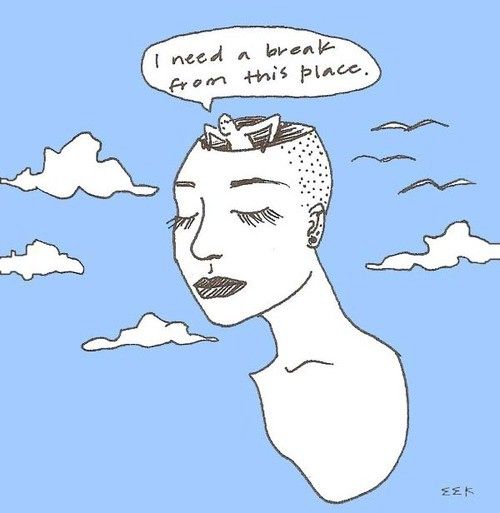
So, what about those who search for a solution with a substance? Substances such as alcohol, nicotine, or marijuana are feasible and accessible solutions for some who struggle with their mental health. I am someone who has relied on marijuana and alcohol for self-soothing and for an escape. For me, I grew up never wanting to drink, or smoke despite the mental/physical distress and trauma I’ve endured. But at one point, life took me in the direction to try marijuana for the first time–to drink for the first time. I remember the first times I smoked marijuana. I felt free. It felt like my soul and mind, were detached from my body–in an ethereal way, I felt my third eye open. I felt like I could analyze my life in a better way–to think myself through my depression, my trauma, and my anxiety. I relied on that feeling for so long. The feeling of mental escapism. To no longer associate my mental distress with physical distress. To give my physical body a break from the reaction it would have to my mind when trying to process my feelings.

There are multiple people in my life that have leaned towards a substance for relief and coping. For some, it turned into an addiction and for others, they manage it well and maintain healthy lifestyles and behaviors. For me I can view using a substance as a tool to numb, at least for myself; To shut your brain off for however long the high or buzz will last. Our body relaxes, and your brain just stops for a moment. For that moment or short period of time, you can finally slow down, be happy, laugh a little, escape from our daily lives, maybe process your emotions differently. But what are the costs of relying on this too often? Or relying on solely on substances? Do we really think about what our physical bodies are going through when we constantly reach for that whiskey, or when we need that toke before we go into work, go to the store, or go to class?

Yes, we know the physical implications of smoking or drinking too much–shortness of breath, high blood pressure, liver and kidney problems, cancer, etc. We’ve seen the Truth commercials on Nickelodeon, MTV, and The Cartoon Network since we were kids. We have been to countless school presentations in the auditorium with an anti-drug activist hammering the idea that drugs are bad into our minds, instilling fear in us as children: Showing us pictures of what will happen to our lungs, our teeth, and skin. The anti-drug campaigns, like D.A.R.E., that have statistically made people do more drugs were present in many social institutions. We grew up in an era that was obsessed with the “War on Drugs.” But we never cared what drugs could do to our physical bodies–there are still people who have grown up to be dependent on a substance to escape and cope.

So why do we do this…Is it because it’s easy? We don’t have to pay a therapist to sit in a room and divulge all of our trauma to a stranger. When using, do we think about how our physical bodies are coping with the substance in the same way our minds do?

Why don’t we care about the probable damage we do to our bodies? Do we view our bodies as only a vessel or less important than our minds? That…we will risk our physical health for our mental health, even if the relief doesn’t last long?

I think we all want to escape. Some escape more than others. But within that escape, some of us lose ourselves and end up abusing our bodies in the process.

Disclaimer: I write this not to shame or pathologize those who use substances to escape, cope or heal–but to ask ourselves to reflect on why we choose these solutions, and create a deeper conversation. I say this in solidarity with anyone who is struggling because I struggle too, and it’s okay. Most importantly, not everyone has a substance abuse issue; One can use a substance without it becoming a disorder.