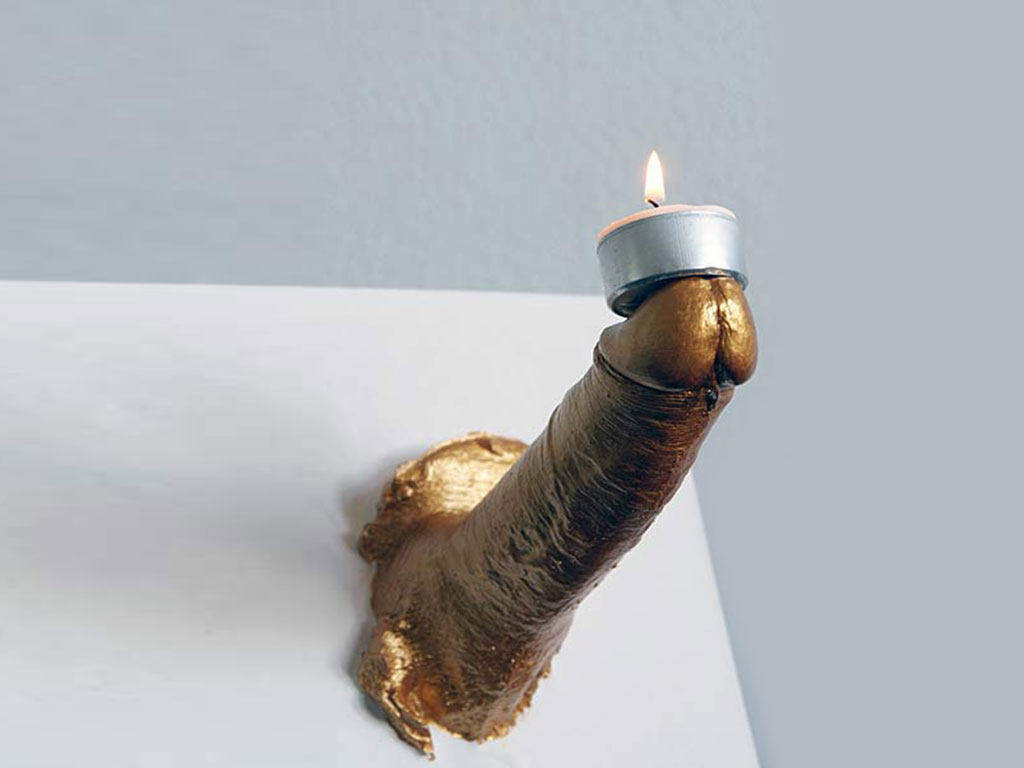
(This post contains mentions of over the counter and prescription drug use)
I mentioned in an earlier post that I get headaches, this is a bit of an understatement. I have been officially diagnosed with Migraine. However, I have a hard time calling my smaller episodes migraines, because to me a migraine is being totally incapacitated, unable to move, balance or lift your head with your sinuses closed off and your eyes unwilling to focus. There also may or may not be puke. My headaches are still pretty bad, but I can still talk and walk and drive to school. I can’t make them go away. They’re at least 12 hours long reguardless, but if you have something in front of your face that says it’s going to stop your pain, you’re going to try it anyway, especially, when you have a paper to write. Despite this I can usually keep a straight face throughout the day.
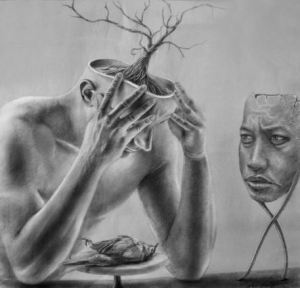
 Disability provokes a queer understanding of identity. Being queer in different environments–rural and urban–is like being a polar bear or a house cat, a bird or a lost lizard in a sewer. The criticism that Clare invokes when talking about these topics is also critical of race and ethnicity and of privilege and gender. Who was the first to claim land as an inexhaustible resource? Who dictates the gender and sexual norms? Who creates the urban space that perpetuates disability? Clare touches on all of these linked together identities and sites, and it feels so right. I learned so much from Clare’s writing, but I also picked up his sense of criticism; that calm, assertive, compassionate voice that questions why and kicks out with fervor. Clare’s criticism is beatifically formed and so god damn smart, but it’s not the only thing that keeps me in the book.