Is A Pandemic Ever Over?

When we think about a pandemic, our mind will often wander towards the state and federal declaration of a state of emergency. But if the disease is still around, why do we treat as if it’s over when the funding is pulled?

During the height of COVID, most took precautions. Not only for those who are abled, but especially for our loved ones who were most vulnerable. This can include those who are immunocompromised, those of older age, and people with chronic illnesses that would make it hard to overcome not only the symptoms of COVID, but their bodies’ ability to fight the disease. We saw people wearing masks, face coverings, and being extra aware of how close we are to others. From the height of the pandemic, we also started to really think about how diseases can spread and how to prevent the spread.

After all we have learned about slowing the spread of disease with technology, like vaccines, we are still willing to take a chance today. We found it crucial to protect the non-abled bodies, but once the government tells us that it is no longer a “current issue,” we should move past all those policies that were put in place to keep us safe. In reality, we can now understand that the government has no interest in equity in public health.
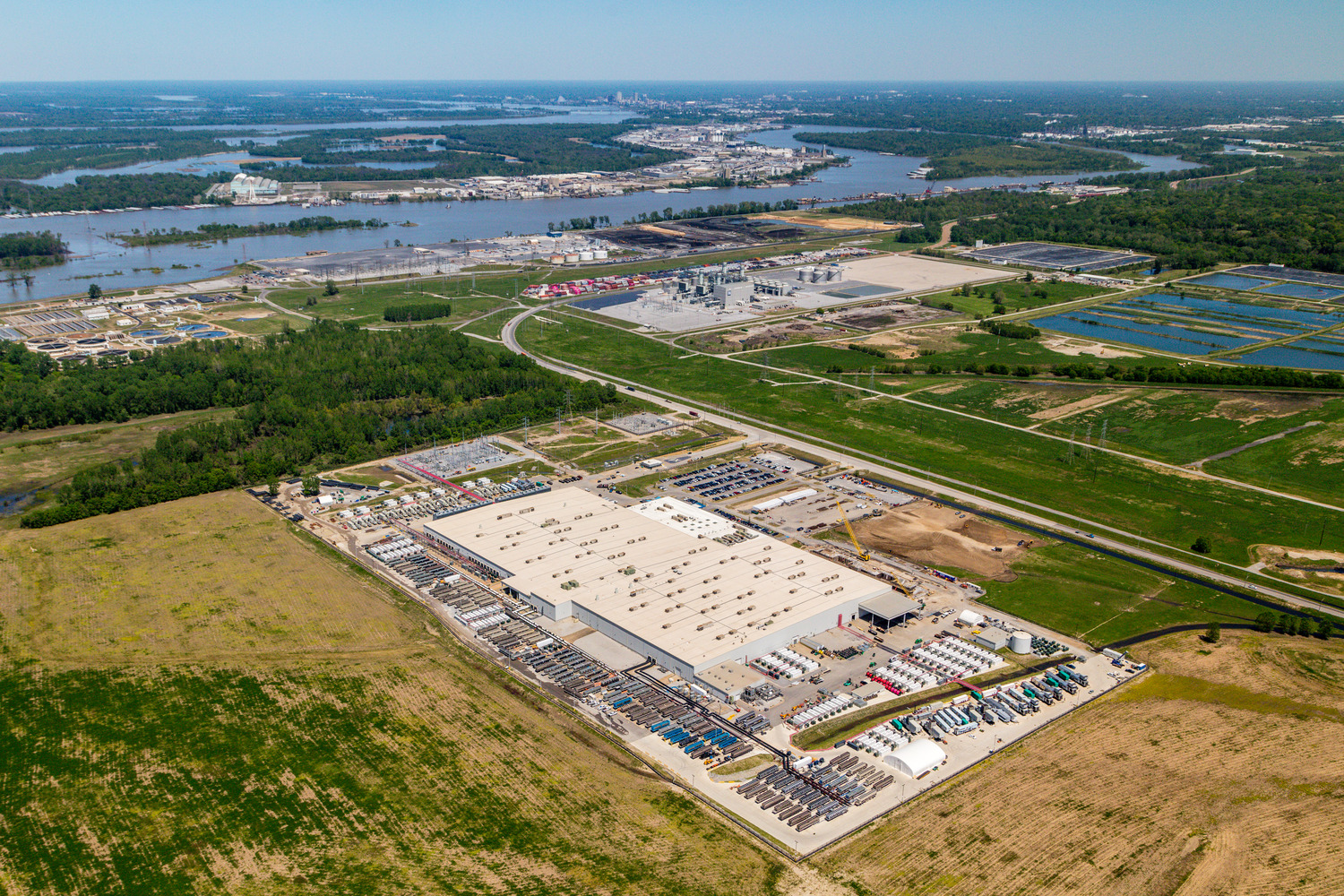
We see it in accessibility. We have our close-knit communities that gather with no care for those same people in their communities, who could face serious consequences if they were to be put into an environment where they could be exposed. In “You Are Not Entitled to Our Deaths: COVID, Abled Supremacy & Interdependence,” Mia Mingus highlights the stigma around basic safety measures that would help aid the entire public rather than just those of abled-bodies. I could even go on to connect this to those data centers being built that are exposing vulnerable communities to an excessive amount of pollutants that have already given some of the populations diseases like COPD. These populations have no means of just leaving that area to be safe. In the past, we have shed light on the importance of reducing the environmental pollutants for the greater good of public health, but still, governments still accept companies to build high-energy consuming data centers for financial and political gain just like in Memphis where Elon Musk’s data centers have been brought in.

I watched this video, “We Went to the Town Elon Musk Is Poisoning” about the Colossus by Elon Musk’s xAI a while back, and thought about the video during our class discussion when we talked about different communities with COVID that are impacted by the disregard for basic safety measures. Improving our environment has always been the talk, but in policy, we often times see our environment being pushed to the limit.
Harm reduction and social stigma

So, it has taken me a while to write this due to not knowing what to write about, and this post may turn into a ramble. Anyway, let’s get into it! I figured I would talk about harm reduction because that is something I am a big advocate for. Harm reduction is the practice of intentionally making choices to be safer in harmful behaviors. One example of this is using condoms for hookups. It is not often seen as harm reduction because of how normalised hookup culture is. You can still get hurt emotionally from hookups, but condoms make it less likely to get pregnant or transmit STDs. I personally volunteer in the realm of harm reduction by means of being lead of the medical team for a local rave collective. People will inevitably get too drunk, or take too much of a substance or get dehydrated at a rave, and our job is to assist these people and help keep them safe. There are risks to drinking such as impaired judgement that can make it more hazardous to get to your ride, or posing a health hazard by vomiting everywhere, and we mitigate that by helping people to their rides, providing and holding trash bags and monitoring people that black out. Every med volunteer has narcan (an opiate overdose reversal agent) due to the prevalence of laced substances, and is educated on how to use it. We also provide and assist with testing for fentanyl and xylazine in substances. These things prevent and respond to overdose. In terms of other substances, we also have syringes and clean straws. We cannot mitigate the risks that the drugs will have on the body, but we can at least respond to its effects. People often demonise harm reduction, calling it enabling but that really is not the case. There is so much stigma around drug use, often seeing addicts as less than human, or not worthy of help because they “did it to themselves.” This completely overlooks the societal and personal reasons as to why someone started using substances. Another thing that surprises people is the fact I don’t preach sobriety to anyone despite being in a twelve-step program. When working in the medical tent, I ask people seeking help what substances they may have taken so I can better assist them. I have to explain that am not going to judge or get anyone in trouble, I just need to know so I can better monitor symptoms and assist. The fact that people are hesitant to tell a medical volunteer at an event that is very against law enforcement presence what they have taken speaks a lot to the stigma around drugs, as well as how prison-happy law enforcement is. People are inevitably going to drink, use drugs and have sex, no matter what our personal opinions on it, but we can help these people be safer. When it comes to people with substance use disorders or chronically use a substance, I have the mentality of keeping them alive long enough to choose to change their ways, we cannot force sobriety on anyone. (If anyone is interested in narcan training or obtaining narcan, please let me know, I can connect you with resources.)

Disabled Comm(unity)

“If you don’t respect yourself and you don’t demand what you believe in for yourself, you’re not gonna get it.” -Judy Heumann

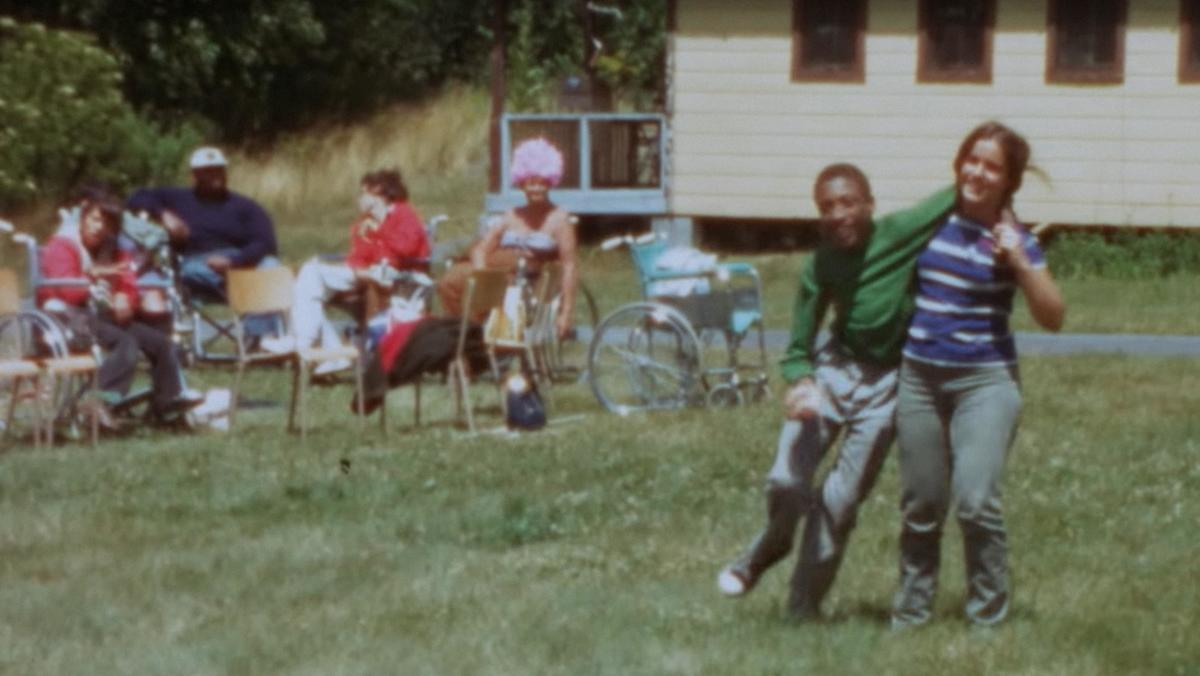
A photo taken at camp Jened. In the foreground to the right are two people, one of which supports the other via an arm slung around the neck. In the background are four figures sitting in wheelchairs.

An accepting environment is the backbone to an unfractured society. For marginalized communities, the opportunity to exist wholly – to present as you wish to without masking, trying to fit in, to just be without fear of discrimination or worse – is few and far between.
Camp Jened was a safe space to meet other people who knew the struggle of living in a world that is majorly inaccessible; some campers even stated that it felt like a second home to them. For Woodyard, it was one of exposure, a different way of living than he’d known in Alabama. LeBrecht explained feeling as though he had to fit into a world that wasn’t made for him. O’Toole told about how she would pretend to be able-bodied, hiding her cane under the couch. The weight of masking’s burden remains unknown until you no longer have to pretend. Only once that weight is removed do you realize the damage its done, yet how freeing it feels to live without it.

Heumann, explaining how she took special education classes that were in the basement of her school, stated that “in some way, even when we were that young, we knew that we were all being sidelined”. Similarly to Heumann, I also took special education classes in high school. My experience with them was quite frankly horrible and my teacher brought students to tears multiple times due to a short temper with questions regarding the material. Jened was empowering: an environment curated specifically with those cast to the sidelines in mind, encouraging them to raise up their bat and knock able-bodied expectations out of the park.
A topic discussed amongst the campers in the film was parents. One camper expressed distaste for her parents’ overprotectiveness, and another raised that many parents often wish to conceal the disabledness of their child out of fear. The coddling you face as a disabled person is endlessly frustrating, and when you speak out about it, you’re likely to be told that “well, it’s coming from a place of love, so you can’t be mad”. A parent should of course protect their children, but there is a line between protection and infantilization, and too often does it cross the line into the latter.

Developing Empathy in an Incarcerated State

The prison system represents a private monopoly that destroys the concept of rehabilitation because of its power hungry agenda. It is one of the first facilities that blankets slavery under the guise of “bad people doing good work,” but we know that the chances for these individuals at a better life are statistically low. No matter the intention, privatizing a system that is meant to create a better outcome for society, both for the individual and the general public, only pushes us down a deeper path of capitalized outcome. We do not care about the people imprisoned in our jails. We do not think of the long term solutions of their health and ability to thrive outside the system. We simply do not think of them at all.

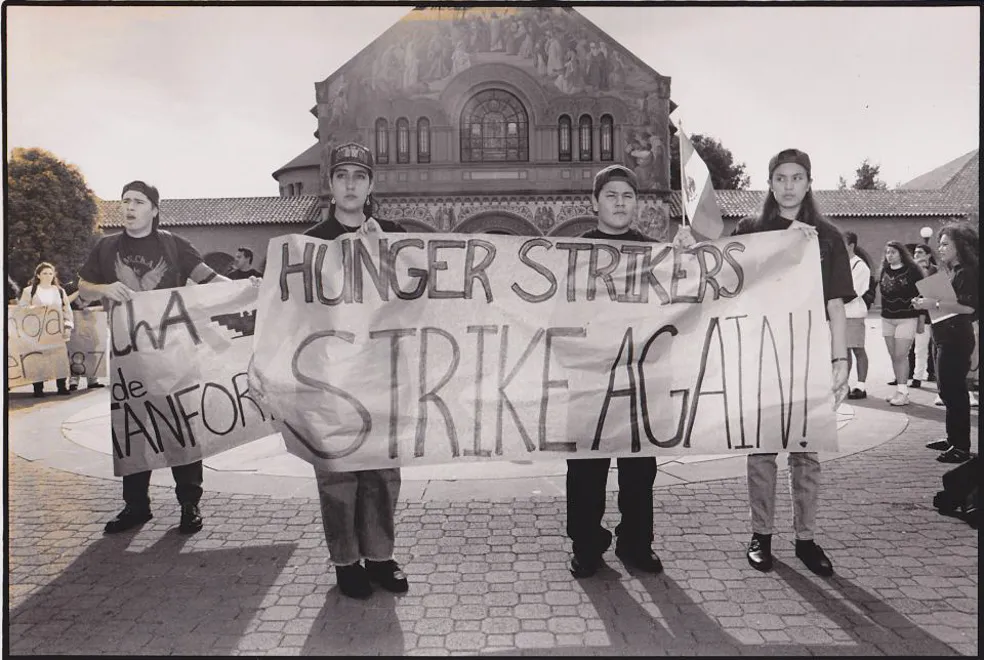
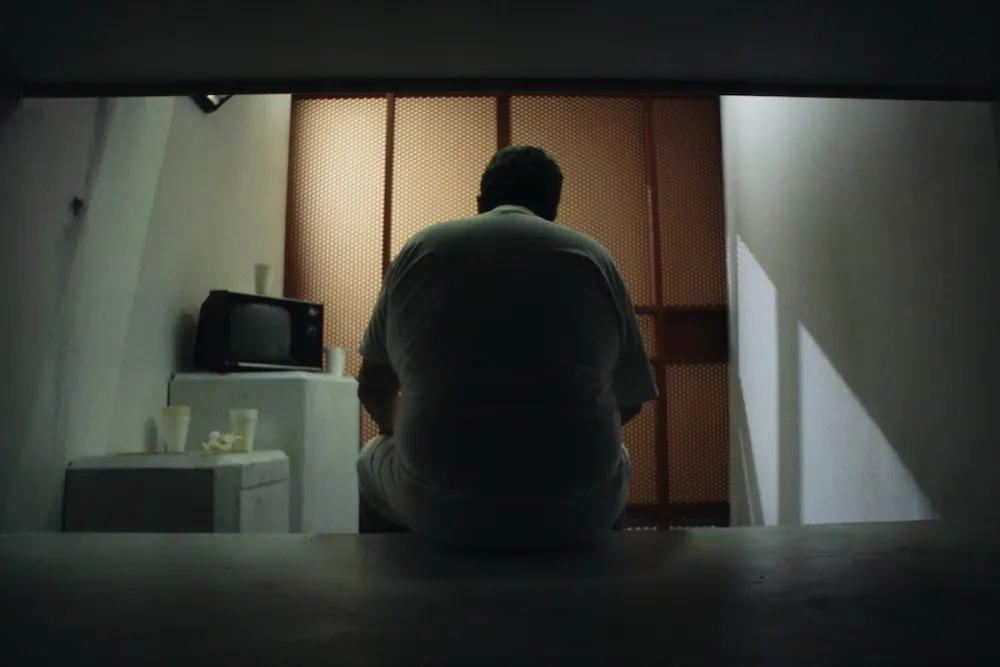
And perhaps this is reasonable, on the surface level. Everything can be dismissed as “reasonable” when we only briefly think of things. But we forget a key aspect of incarcerated people, an aspect you can’t ignore because it is literally in the name: they are people. The Strike, a documentary directed by JoeBill Muñoz and Lucas Guilkey, is a representation of what happens when we forget the human rights of an individual, no different than leaving them to die. We know that 2011 is the first time that Pelican Bay State Prison was forced to change the protocols and procedures after thousands of prisoners (both in PBSB and other neighboring California prisons) protested the restrictive conditions in the SHU with their bodies via hunger strikes. Before this awareness, hundreds and thousands of prisoners spent decades in solitary confinement based on criteria that had no real basis and was presumed based on racial prejudice and stereotypes. Do we erase all forms of morality when it comes to those who are presumed guilty by law? Where do we draw the line if the line has already been drawn for us? 

My intention is not to sympathize with the abhorrent crimes that many of these men committed that brought them to places like PBSP, but it is not to reduce them to less than human either. Rather, providing equal rights for the general public of these prison systems allows for these men to have an exponentially better chance at a productive life if they have the opportunity to be released. For those who may never seem to get out, I believe it is still necessary for them to understand that a productive society has safeguards for everyone, even those who deviate from our social code. They must come to their own conclusions on their moral choices, for no amount of restriction can prevent them from resisting. 

Even if we are to disregard the potential empathy of solitary confinement, these safeguards protect prisoners from an administrative abuse of power during uncertain times. Mihalovich’s Hunger Strike talks about how the California Department of Corrections and Rehabilitation (CDCR) and 20 of its prisons took advantage of restrictive lockdowns during the COVID-19 pandemic by cutting off all outside communication for over 34,000 prisoners. We’re talking about these things happening less than a decade ago, so what is still happening today that is going unseen because of our public view of incarceration? 

Do we ever really know? We the public deserve to stay informed.

Watching the Fire

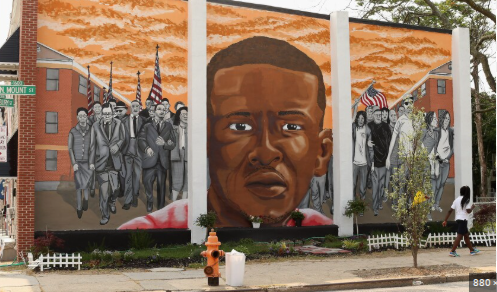
Mural of Freddie Gray in Baltimore

I was in the 4th grade when the death of Freddie Gray occurred on April 19, 2015. I didn’t know what was happening, I just wanted to be a kid. It didn’t hit me until I saw it.

When you type in Freddie Gray’s name, the first thing that shows at the top of the Google search engine is “Freddie Gray riots”, not protests, but riots. Interestingly enough, events that happened prior to the riots were peaceful protests in front of the Western District police station in Baltimore, Maryland. The people demanded that they know how Gray was in a coma after being arrested. After Freddie Gray’s death, the outcome of police brutality, the riots began.

Continue reading
overconsumption hurts, as does hunger.

overconsumption hurts, as does hunger.

I’m never the type of person who thinks that one group of people’s problems are miniscule just because others are suffering on a much larger scale. However, there comes a time where the world needs the banding of humankind more than ever. There are numerous current events I can draw this statement to, all occurring in our world today. 

I’m sure not everyone’s algorithm is the same, but mine has shown me videos of grown people waking up at 3 in the morning and standing in line for a cup that looks just like the bottles of honey shaped as bears, except it has a logo and straw slapped on it. It is also worth mentioning that the cup stands at $30 and I’m not sure if this is true, but each store only gets 2 or 3. I’m not sure what exactly the appeal of this cup is. It doesn’t even fit in a cupholder, and it isn’t even convenient to clean or use overall. Maybe it is the exclusivity? I have no idea. Additionally, the people on the ‘quest’ for this cup are borderline harassing minimum wage workers in the early hours of the morning. 

Starbucks apologizes after 'Bearista' cup sparks fights, long lines and  $500 resale listings

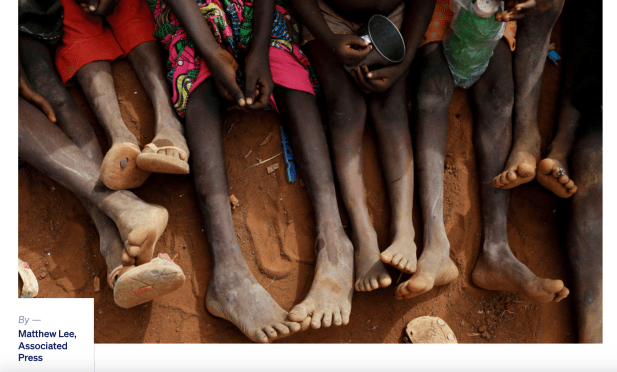
All the while, food stamps are getting cut all over the nation, and thousands of Americans are struggling to eat just in time for the holiday season. If you look into our neighboring continents, you’ll see the famines happening in AT LEAST 5 regions Sudan, 5 potential genocides occurring throughout the world (Gaza, Sudan, Democratic Republic of Congo, Myanmar, and Uyghurs). 

It all just reminds me of our discussions of forms of protests in class – especially hunger strikes. In the article we read for class describing the hunger strikes in California prisons, they stated that the hunger strikes weren’t rooted in defiance necessarily, but for change. This whole notion serves as a reminder that hunger isn’t an option for everyone and for certain people hunger is a reality, and sometimes it’s a norm. All in all, I just can’t help but wonder what the world would look like if we put the same energy that we put into over-consuming and self-pleasing into helping those around us. At the end of the day, the only difference between ALL of us are our existing geopolitical barriers. 

https://www.aljazeera.com/video/newsfeed/2025/11/12/un-warns-sudan-is-the-largest-displacement-crisis-in-the

Disability and UMBC

When talking about disability justice, we must reflect on the systems in our everyday lives. UMBC is a good place to start.

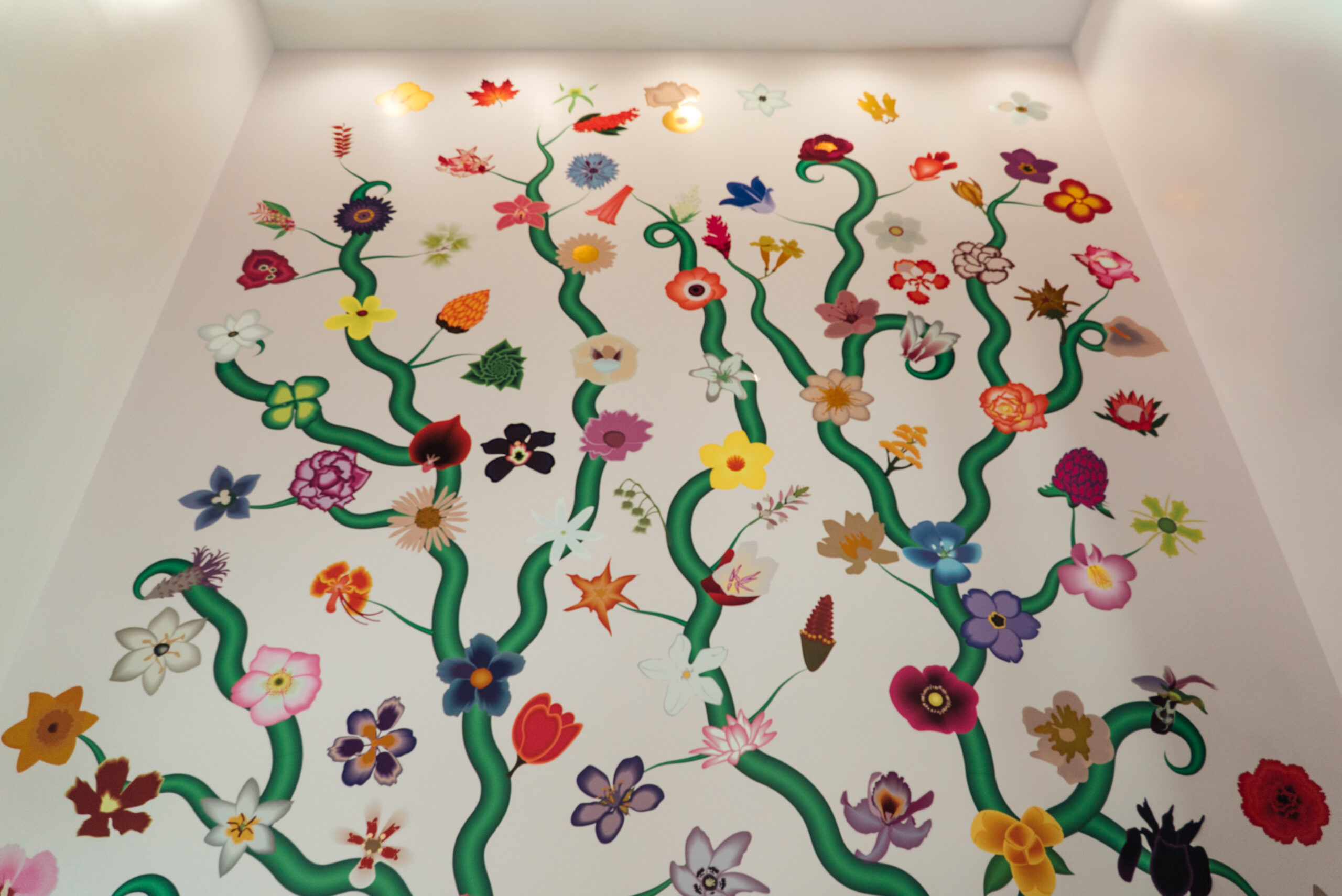
This is the “Inclusive Excellence” art from one of the entrances of the UMBC Commons

UMBC is a very diverse campus. A large portion of the student body is international students, and statistically speaking, a significant number of students at UMBC are disabled. When UMBC brags about its campus inclusivity, it makes me pause. UMBC misses the mark consistently when it comes to accessibility and inclusion of disabled people.

The accessible routes are long, often involve hills, and are mercy to whether or not a door opener has been fixed in time. There isn’t live captioning included in events, even though it would be an easy way to include Deaf and HoH people, people with auditory processing disorder, brain fog, sensory sensitivity, and those who English isn’t their first language. The campus activities include a consistent rotation of bingo and karaoke. Bingo would be very accessible for anyone to participate in if the event organizers clearly displayed the letter and numbers called on screen, but I have never seen any of the campus event organizers do so (correct me if you have). Karaoke at least has lyrics on screen most of the time, which fulfills a small portion of the live captioning need.

When it comes to simple, obvious things like these, I can’t help but feel angry. In most cases, I’ve found that what’s even more uncomfortable to nondisabled people than a disability advocate is an angry disabled advocate, so the anger doesn’t help. When I’m not angry, I’m tired, and either way, I am the one experiencing mental and emotional strain while the people in charge of whether or not all students should have access to events still do not care. It is 2025, do not bullshit me, you know you should have captions on screen. And it pisses me off to no end when an organizer says that the disabled person has to email the organizer in advance if they wanted that. Every student should have the opportunity to look on myUMBC and decide in the moment whether or not they want to spontaneously go to an event. No student should have to warn the event organizer that they’re coming just to participate. Disabled or not, UMBC takes the tuition payments all the same.

Special shoutout to the sunflower training program. It’s not that I think the training shouldn’t be there. It should, and I’m glad it is. But there are things that should obviously be made more accessible on campus that the office has not fixed, and getting accommodations from this office can be such a dehumanizing process. One of the people from this office proceeded to be ableist and all around awful while having this sticker in their email ending.

Lavender Menace

Body Comfort

I can’t remember the last time I truly felt comfortable in my body. I’ve always had a lot of issues with how I looked and how my body was. I was very skinny in my early years in elementary school where I did Tae Kwon do which had a lot of conditioning and exercise that kept me “in shape”. After that, middle school and quarantine were spent sitting in a chair for what felt like days on end just eating and eating. I never even realized it until someone mentioned it offhandedly and I looked down and didn’t like what I saw. One of the quotes that really stood out to me from Roxane Gay’s “My Body is A Cage of my Own Making” is when they say “Feeling comfortable in my body isn’t entirely about beauty standards. It’s about how I feel in my skin and bones”. After gaining a lot of weight into high school, my body ached. Everything was slower, I felt like my feet were so heavy and every step I took hit the floor harder than I wanted it to. With activities, I started to feel better about myself and my body, losing the weight that I had put on before but injuries riddled my life until I was practically forced to quit. See, I’m hyper flexible but what they don’t tell you about hyper flexibility is that it just means you can be comfortable in a position that puts your body at risk of injuring itself. At every moment, I was either not happy with how my skin folded over itself and how I looked in the mirror or not happy that I couldn’t do any more because of my injuries. At one of the meets, I was slammed so hard on the ground that my lower back muscles spasmed and I was couch ridden for two days. It was getting harder and harder to become comfortable in my own skin. I never even realized that at the end of the day, as hard as I worked and worked and overworked my body into the ground, I was never going to be happy.

I trapped myself in this cycle of hating my body so I try and work until I’m finally happy until my body gave up on me and then I hated it again. I like to think that I’ve finally learned how to accept and love my body but to be honest, It’s still a process for me. I still wake up and look in the mirror to see my progress and I still always skip breakfast, even if it’s bad for me. Until I finally free myself and love my body the way that it is, I will always look in that mirror hoping for this perfect body that I don’t even know if I can attain. Day by day, I will work towards loving myself and my body but until then, breakfast is overrated and it being the most important meal of the day is a lie.

Hunger strike for the evening

A hunger strike — what is it exactly? According to Google, it is “a prolonged refusal to eat, carried out as a protest by a prisoner.” I find the whole concept of a hunger strike very interesting. Why would we, as humans, intentionally refuse to eat as a form of persuasion or protest? At first, it seems strange, but maybe it’s not as unusual as we think.

Think back to when we were kids. Have you ever had a moment when your parents said, “You can’t leave the table until you finish your food”? That used to happen to me all the time, and I can confidently say that I would stand my ground. I’d sit at the table for as long as it took, not taking a single bite until my parents agreed to let me eat something I made for myself.

Now, let’s go back to the definition. The first part mentions a “prolonged” period of time — would an evening be considered prolonged? Probably not. And the second part mentions a “prisoner.” Would I be considered one? In a way, maybe. I wasn’t locked in a cell, but being unable to leave the dinner table could feel like a small form of imprisonment, especially since I didn’t want to face the consequences of disobeying my parents.

So, considering these two factors, I wouldn’t call an evening of childhood stubbornness a hunger strike. However, this small example might help us understand something deeper about human nature. Even as children, we use our bodies — in this case, refusing to eat — as a way to express resistance and assert control when we feel powerless. On a larger scale, hunger strikes work the same way: they become a form of protest when words or actions no longer seem enough to make change.