
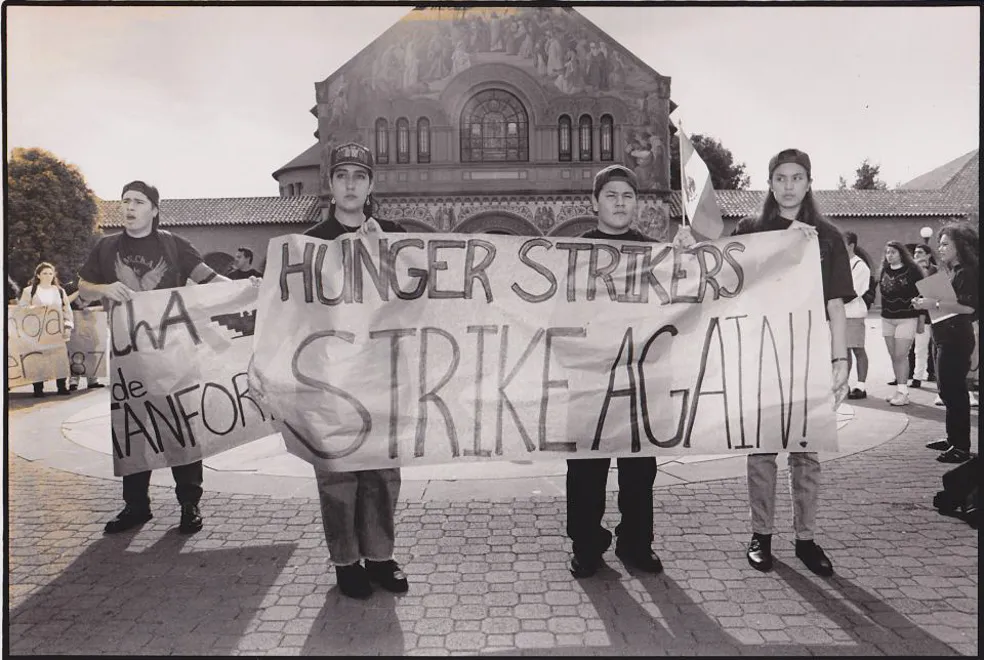
A hunger strike — what is it exactly? According to Google, it is “a prolonged refusal to eat, carried out as a protest by a prisoner.” I find the whole concept of a hunger strike very interesting. Why would we, as humans, intentionally refuse to eat as a form of persuasion or protest? At first, it seems strange, but maybe it’s not as unusual as we think.
Think back to when we were kids. Have you ever had a moment when your parents said, “You can’t leave the table until you finish your food”? That used to happen to me all the time, and I can confidently say that I would stand my ground. I’d sit at the table for as long as it took, not taking a single bite until my parents agreed to let me eat something I made for myself.
Now, let’s go back to the definition. The first part mentions a “prolonged” period of time — would an evening be considered prolonged? Probably not. And the second part mentions a “prisoner.” Would I be considered one? In a way, maybe. I wasn’t locked in a cell, but being unable to leave the dinner table could feel like a small form of imprisonment, especially since I didn’t want to face the consequences of disobeying my parents.
So, considering these two factors, I wouldn’t call an evening of childhood stubbornness a hunger strike. However, this small example might help us understand something deeper about human nature. Even as children, we use our bodies — in this case, refusing to eat — as a way to express resistance and assert control when we feel powerless. On a larger scale, hunger strikes work the same way: they become a form of protest when words or actions no longer seem enough to make change.








 Unruly Bodies