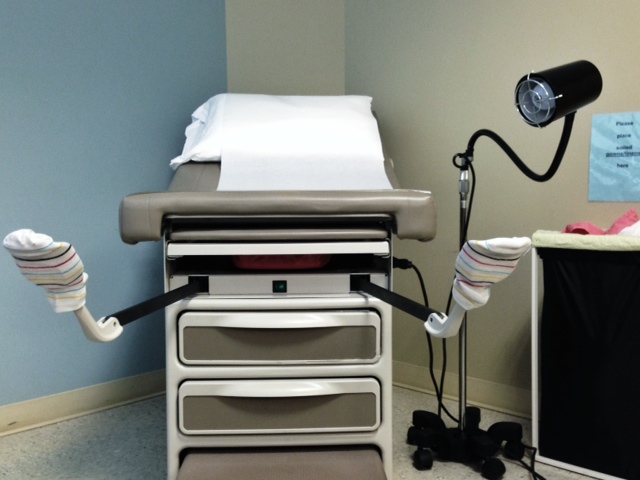
Yearly Exam

I silently sign my name on the sheet telling the front desk staff sitting at the computer that I am here, and sit down in a generic, but expensive-looking chair.

Aiming for comfort.

Aiming for comfort.

Women are glued to their copies of Parenting or Marie Clare. A couple sitting cattycorner to each other look up at me, and then glance back at each other talking. An instrumental version of Memories from the musical Cats plays softly in the background. I don’t have a magazine, so I take up Candy Crush. After 10 minutes the woman at the front desk calls my name.

“Hi, Amelia! We just need to get a urine sample from you, so if you could just go down the hallway and to the second door on the left and leave that for us in the metal cabinet, then go to room number two, that’d be excellent!”

Continue reading

The Adipositivity Project

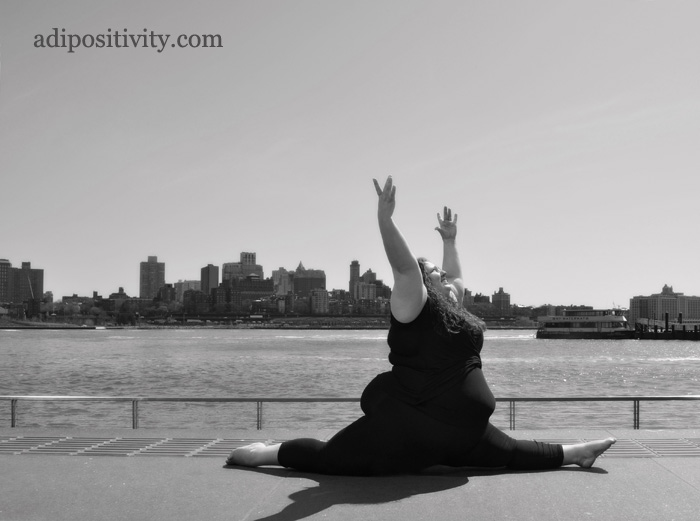
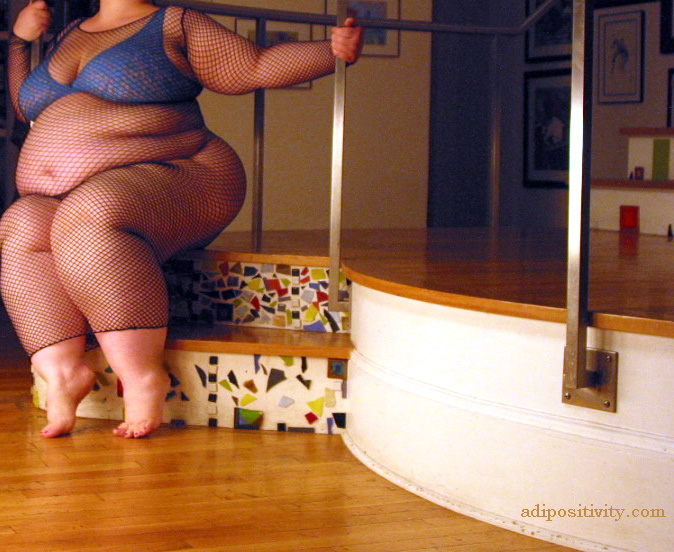
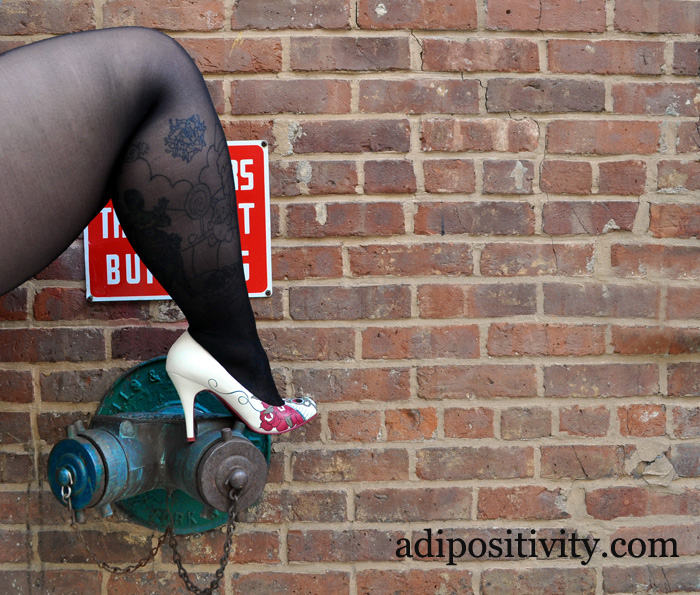
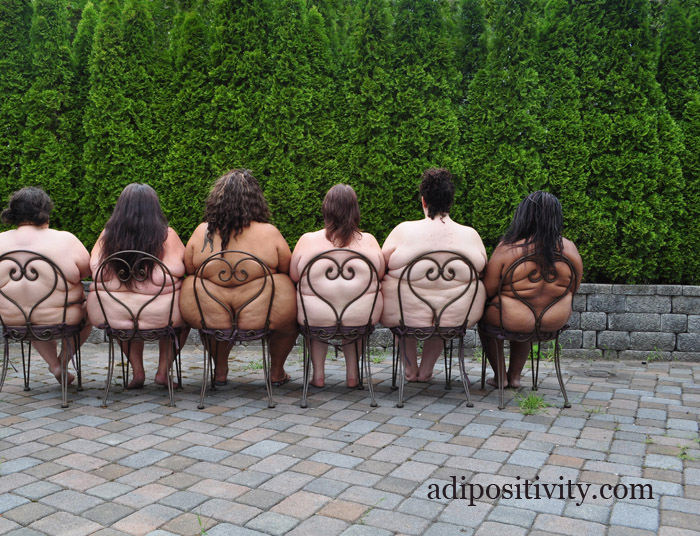
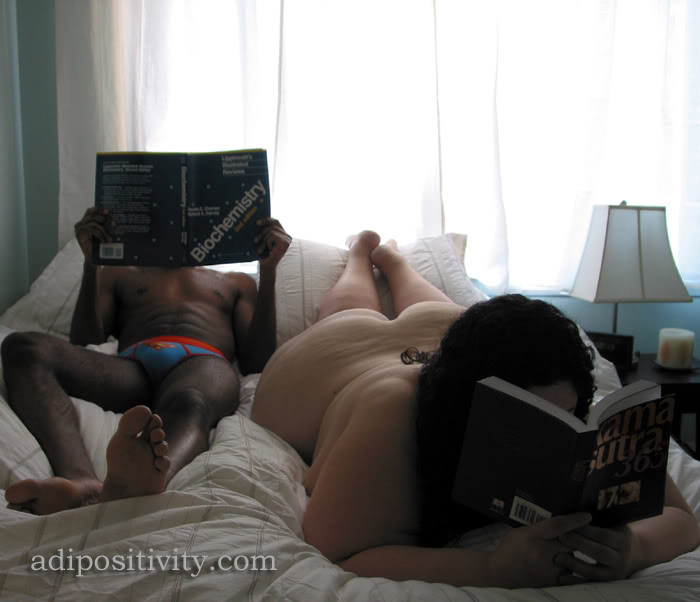
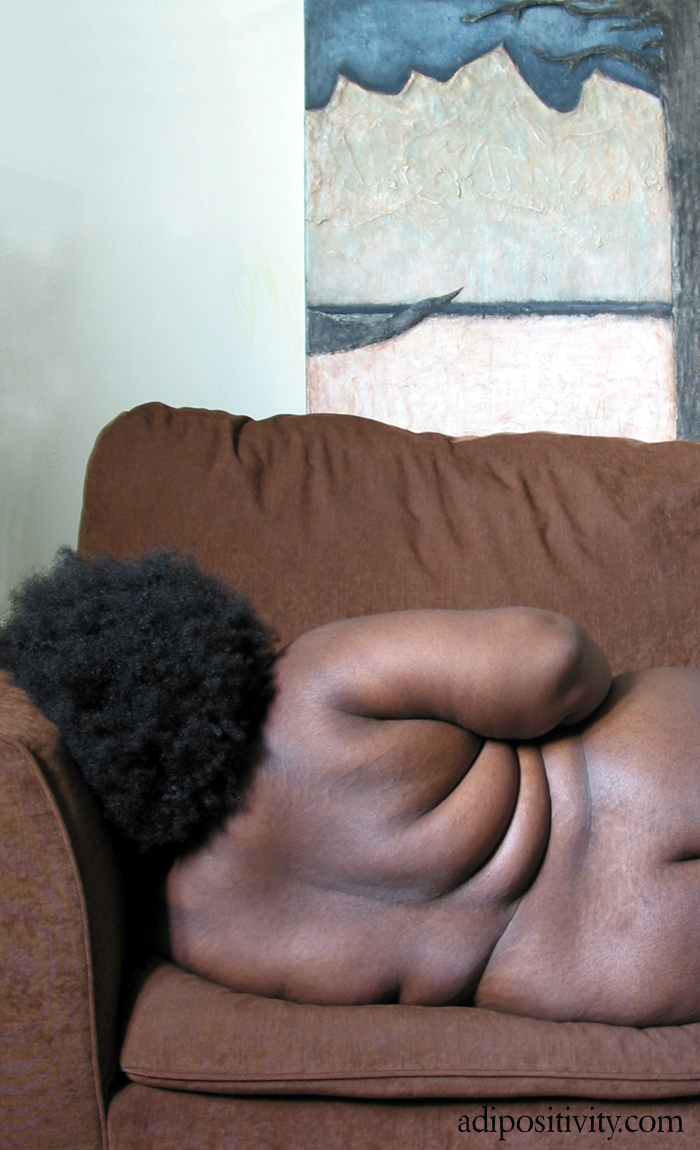
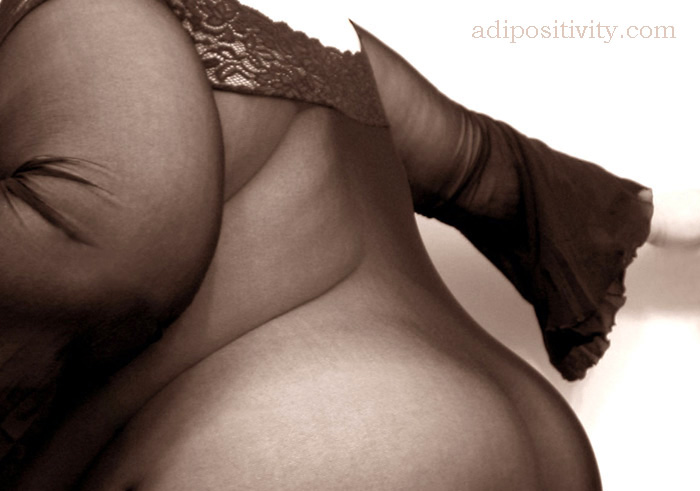
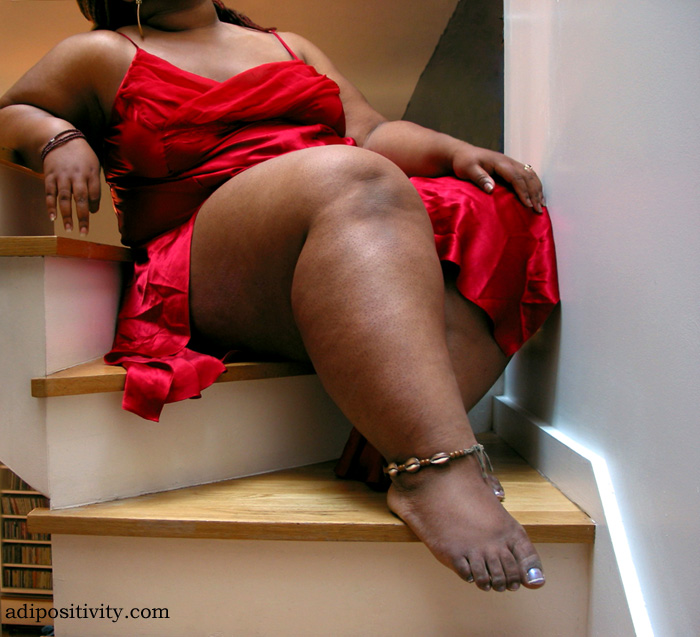
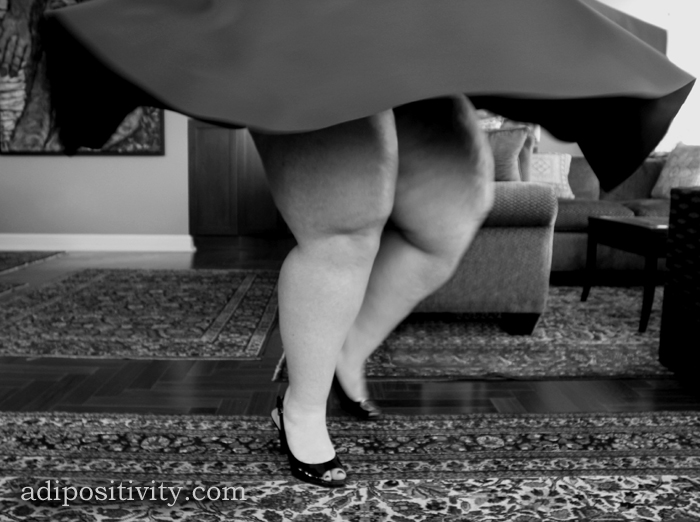
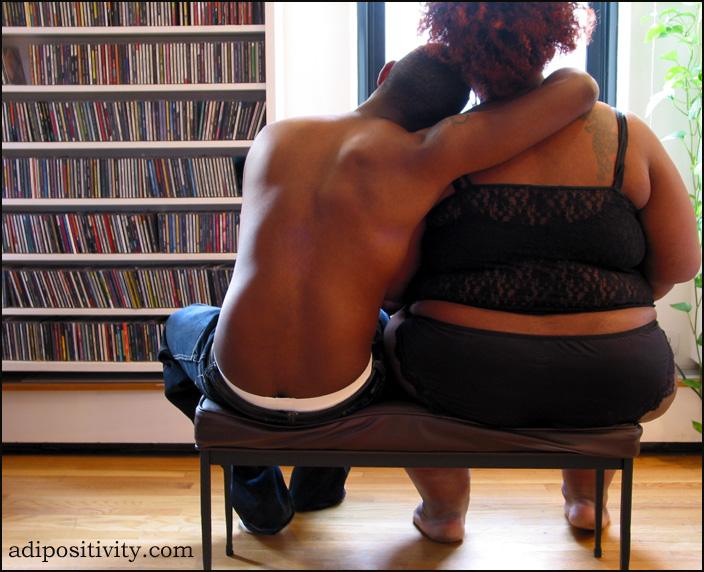
I’ve been aware of The Adipositivity Project for a number of years.  Most people who float around Fat Acceptance circles online are aware of it, but when I’ve shown it to friends who aren’t aware of FA, it’s always surprised them.  I thought, given the reading for our next class, this was at least visually on topic.  I’m also always a fan of activism through art and you can’t say Substantia Jones’ photographs aren’t beautiful or radical.   Many of the photographs are nudes, so beware if you decide to click through.  I’ve pulled some of the more modest ones to show the intent of the images.

Adipose: Of or relating to fat.

Positivity: Characterized by or displaying acceptance or affirmation.


MISSION:
 The Adipositivity Project aims to promote size acceptance, not by listing the merits of big people, or detailing examples of excellence (these things are easily seen all around us), but rather, through a visual display of fat physicality. The sort that’s normally unseen.

The hope is to widen definitions of physical beauty. Literally.

The photographs here are close details of the fat female form, without the inclusion of faces. One reason for this is to coax observers into imagining they’re looking at the fat women in their own lives, ideally then accepting them as having aesthetic appeal which, for better or worse, often translates into more complete forms of acceptance.

The women you see in these images are educators, executives, mothers, musicians, professionals, performers, artists, activists, clerks, and writers. They are perhaps even the women you’ve clucked at on the subway, rolled your eyes at in the market, or joked about with your friends.

This is what they look like with their clothes off.

Some are showing you their bodies proudly. Others timidly. And some quite reluctantly. But they all share a determination in altering commonly accepted notions of a narrow and specific beauty ideal.


I love this project, especially considering the attempts by the media to include “real” bodies through the use of marketing like the Dove Campaign for Real Beauty and “plus size” (really a size 6-12) models, and how different these fat people look from those culturally approved fat bodies.  These aren’t the media portrayed idea of what is “real” (and how problematic is that word in regards to any person?).  These (mostly) women, according to the BMI (another problematic method of judgment!), are obese, or more likely morbidly obese (sometimes called Death Fat in the FA community).  Most of them probably weigh somewhere in the neighborhood of 200 or 300 or even 400 pounds – yet I don’t think they look like the stereotypical bed-ridden mordibly obese person most non-fats think of when they hear those numbers. Or maybe they do look like those ZOMG FAT people to you.

However you see them, these people are fat, but they have accepted the bodies they have and are living their lives in them.

Self-Diagnosis

According to a “recent study,” conducted by a company that maintains an online self-diagnostic tool and then misinterpreted by some website on the internet, “1 in 4 British women has misdiagnosed themselves on the Internet.”  Mind you, this wasn’t just posted on any old internet, it was posted on the Internet, so it’s totally legit, guys.  I believe it.  (By the way, Jezebel has some commentary that, while not problem-free, tickles the funny bone.)

This blog needs more color, so here's a rainbow.

Regardless, it raises some important questions about the role of diagnosis and self-diagnosis.  When overused or used irresponsibly, self-diagnosis on the internet can lead to a lot of unnecessary worry.  It’s an especially big problem in a culture that does not openly discuss bodies or illness, making it difficult to determine what is “normal” and “abnormal” for a body to do.  Female bodies, disabled bodies, older bodies, trans bodies, and non-white bodies, in particular, are susceptible to this kind of worry.  If your body was never “normal” to begin with, how can you possibly know if something is wrong?  If your body has always been strange or mysterious or untrustworthy, when does it cross the line from weird to dangerous, or sick?

I don’t have exact answers to these questions.  I do know, however, that since the majority of people cannot afford to see a doctor every time their body aches or something leaks, and since most female, aging, disabled, trans, and non-white bodies (to name a few) are not given serious consideration in the doctor’s office, the internet is an important diagnostic tool.  Several years ago, for reasons I can’t remember, I found a diagnosis for myself on the internet, and it was a major turning point.  As far as I knew, this was the way that I had always been, but at that time, I started to realize that it wasn’t the way that I would always have to be. It didn’t change my anxiety, but just having a name for it allowed me two conceptualize the phobia and my personality as two separate things.

These people stared at this x-ray for hours before realizing that it was blank.

When I later filled out an inventory or questionnaire, I hit every one of the symptoms.  But I never would have known that these were symptoms without coming across that page on the internet.  How could a doctor have possibly diagnosed me if I never expressed that anything was wrong?

Of course, my story might be unusual, and it might be somewhat unique due to my class privilege.  Still, I maintain that the internet should have a place in diagnosis, since no doctor can ever know a person’s body better than the person themself.  What do you think?  Does self-diagnosis cause more harm than good?  How can the internet be used or changed to improve diagnosis and available medical information?

Bald Barbies

Disclaimer: While I have never experienced baldness personally, drawing from the literature on disability and class discussions I felt an affinity with the topic. If I indirectly offend anyone I offer an apology in advance.Image

Recently I’ve noticed a lot of rabble on facebook about a topic I never thought would pop up in my newsfeed: Bald Barbie.

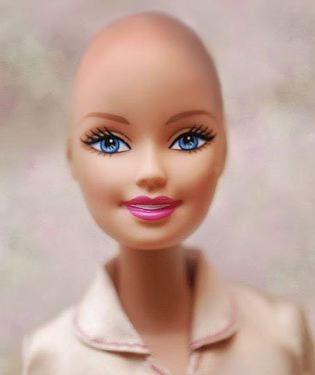
There’s a facebook group dedicated to pressuring Mattel to create the Bald Barbie for children who suffer from hair loss due to cancer as well as Alopecia, and Trichotillomania. Mattel has finally released a statement saying they will create Bald Barbie but it, “will be a friend of Barbie, which will include wigs, hats, scarves and other fashion accessories to provide girls with a traditional fashion play experience.”

Hm. So, the new doll cannot be labeled a “Barbie” and she still has to have fashion accessories which, in my interpretation, (and perhaps this is my raging feminist coming out) means people who have hair loss still have to cover up their scalp since baldness cannot be accepted as normal.

Not only will Mattel’s new doll not be a “Barbie”, she will also only be distributed to children’s hospital for reasons of “directly reaching girls who are most affected by hair loss”. But what about the children who are not in hospitals who have experienced hair loss? And how does a hospital reinforcing to the children that they’re still beautiful actually combat the main message that Mattel sends out to the general public on a day-to-day basis, i.e. beauty has a certain standard, and if you don’t have the hair and body for it, you will never be beautiful.

Could placing the doll on the shelves of a toy store create too much of a sense of normalcy towards hair loss?

From the past course discussions on disability, and the invisibility and inaccessibility that many disabled people have expressed they have experienced; I don’t think that Bald Barbie does much to enhance the lives of children who have experienced baldness.

By only distributing these dolls to hospitals Mattel is stating that baldness is still a disability and is associated only with illness. Mattel could release Bald Barbie in mainstream stores and allow Bald Barbie to be viewed right next to a Barbie with hair but then what message would Mattel be sending to the children that experience baldness? Beauty standards can actually deviate from what Mattel portrays them to be?

If Bald Barbie were to be considered equal and sold in the mainstream market right next to a Barbie with hair I think children who experience hair loss could actually feel acceptance and beauty towards their baldness, especially when Barbie is such an icon for female children for femininity and glamour.

I think Mattel’s creation and distribution of Bald Barbie is just another way to emphasize disability rather than accept it.

Should We Legalize Steroids in Baseball

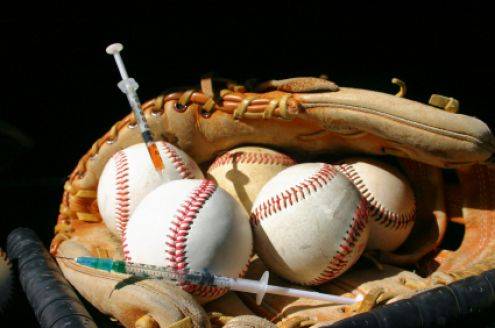
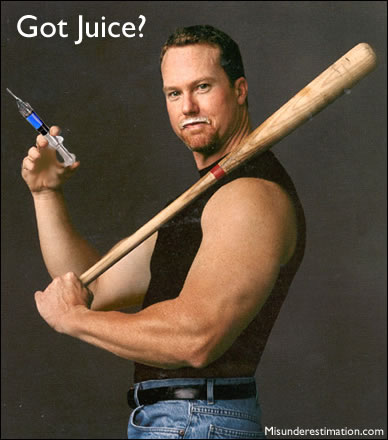
Baseball is America’s pastime, but there is one problem, and that is the use of steroids. Steroids a synthetic hormone that promotes the retention of protein and the growth of tissue and the use can help and athlete build bigger muscles more faster. the problem i have with steroids is the unfairness that baseball gets by using steroids. To me i think it is a fake sports because now a days you don’t know who is using or now so you really don’t know who is naturally talented. I was reading the article and it discussed how if a player gets caught using steroids the first offense is treatment, which is basically a slap on the risk telling them not to do it again, and for five violations is a one year suspension. I do not think that it is fair, I think the rule should be first offense should be the one year suspension and the second offense should be getting kicked out of the league. The only reason i say this is because when they get older they are destroying their bodies for drugs, all they need to do is work on the talent that got them there, not put harsh chemicals in their body that can scar them for life.

These grown men should not be babied because they should know right from wrong and that steroids are bad, but they insist on using them. Should the League just legalize steroids so that way majority of the athletes don’t get in trouble and just call baseball America’s past time and just leave it in the past because baseball is not the same as it used to be, because I don’t think that this many people were using steroids back in the day. even though it is harming their bodies by making them infertile and gives you harmful psychological changes and even cancer, these athletes still use them just to get one up on their opponent.

Majority of the athletes playing baseball are on steroids, so we should just legalize it because even though they are getting caught they are not stopping. In order for the League to stop steroid use they would have to drug test the players everyday, but that is a waste of time and money because these men are grown they should know right from wrong. What should the commissioner do so the League can once again be America’s Pastime

Face Transplants

I saw this article relating to a face transplant that occurred in Maryland within the last week or so.  This article is extremely relevant to the book we just discussed (Autobiography of a Face).  The man who received the transplant needed one due to a gunshot wound and damage from about 15 years ago.  The article can be found here:

36-hour face transplant ‘most extensive’ ever

The story is an amazing one.  The medical technology and techniques that we now know are phenomenal.  I wish I could interview this guy and ask him how he feels about having a new face after hiding behind a mask for so long and having to use a breathing tube to breathe.  The transplanted face came from a donor whose other organs were also donated to save 5 lives.  The article states that the recipient’s new face is a combination of his own face and the donor’s face and a little bit of customization.  I wonder how this man feels about having another person’s face fused into his.  I also wonder how that impacts his identity.  How would you feel?  Would you be relieved to have the new face so you can appear what is “normal” to society?  Or would you have some reservations and other ideals about how this re-creates your identity?

A New Type of Ideology

Plastic surgery has become an increasingingly common practice in western and affluent societies. Spending hundreds to thousands of dollars can alter the appearance of humans in dramatic ways. The advancements in science and medical procedures have allowed plastic surgery to be portrayed as having moderate to minimal risks for patient. In addition, over the years people tend to regard medical surgery as having fewer complications than the previous years. Despite the superb medical improvements   the possibility of danger to the patient and liability of the doctor/hospital are still very significant.  Anesthesia awareness is rare but it is possible for anyone to experience this traumatic ordeal. This occurrence poses a threat to anyone who undergoes plastic surgery or any other type of medical procedure involving anesthesia.

Anesthesia awareness occurs when a patient wakes up during surgery.  The individual’s body is in a state of stagnation but their mind is still cognizant. The patient’s body is under the influence of powerful anesthesia medications but the mind is attentive to its surroundings and the procedure being performed. Although this state occurs at the administration of the drug, anesthesia induces a separation between mind and body. The Cartesian dualism ideology alleges that the mind and body are separate entities and anesthesia awareness depicts this notion. The body is heavily sedated by anesthesia; therefore, the body is constrained by the physical science of medicine but the mind remains cognitive and free from the effects of the drug.

After further examination of the Cartesian ideology, a new theory should emerge encompassing aspects of both the Holistic and Cartesian dogma. The Cartesian phenomenon brings forth fundamental questions regarding the essence of the human body. Is the mind and body interlinked with one another or, are these two separate entities independent from one another? During the course of our class, Unruly Bodies, I have struggled with this vital question. Answering this question is problematic because there are several events that would be categorized as Holistic Embodiment, a strong alliance between the self and the body. One such example of holistic embodiment is self-esteem being linked to our physical appearance.  Anesthesia awareness is one example of Cartesian Dualism. I believe both ideologies are correct and should co -exist for different scenarios the body can be placed in and experience.  Perhaps a new ideology should be studied in mainstream literature which would include principles from both of these ideologies.

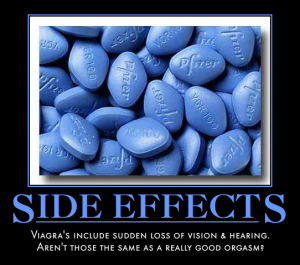
It is interesting to watch the way prescription drugs are consumed in America. We tend to obsess over the benefits of prescriptions and gloss over the possible side effects. Every commercial for a prescription drug is required to announce the side effects, but who can actually hear them? There is usually a man with low-pitched voice racing through the possible inconveniences as if they are minor possibilities.

Apart from a 4 hour erection, Viagra can also cause loss of vision, diarrhea, dyspepsia, and dizziness. It can also be fatal when taken with other drugs, especially drugs for heart related health problems. This information is not commonly discussed. Every commercial has the side effects mention as mandated by the FDA. It is the consumers responsibility to understand these side effects, ask questions, and take necessary precautions. Unfortunately, as a society we are more eager to reap the benefits then we are to take caution over the adverse effects.

I felt that Viagra was a great attention grabber for this post, but this is greater than the erection verses vision debate. There are so many prescriptions out there for a wide range of serious and minor illnesses that have side effects of varying degrees of significance. We have become comfortable putting chemicals in our body for self medication or as instructed by a health professional without thinking about the consequences. I don’t remember ever pausing to think that my aspirin can give me stomach ulcers before consuming it. Whether it is an over the counter drug or a prescription medication, we need to pay closer attention to the warnings labels, especially if the drug is a personal desire and not necessary for health maintenance, like Viagra or Latisse.