

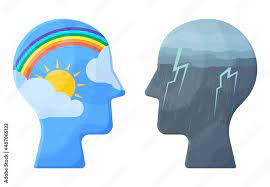
Eating Disorder is one of the most common forms of disabilities affecting people around the world. People don’t normally tend to think eating disorder is a type of “disability”. This may make others end up thinking that eating disorder is an extreme diet, a phase, or a personal choice. Eating disorder is a serious cognitive impairment influenced by psychological, biological, and social factors that affects all body types, gender, and races. People should be more aware that eating disorder is a complex brain-based illness that can lead into more severe health problems.
People get affected biologically from genetics, dieting, and puberty. Recent studies have shown that eating disorders may be hereditary, and the individuals who have a family member with eating disorder are more likely to develop one as well.
Anxiety, depression, trauma, and stressors may cause someone to get eating disorder psychologically. It is a sad irony that the person who develops an eating disorder start with a diet because they believe that weight loss can lead them to improve self-esteem, and gain more confidence. The reality is that continuously binge eating or under-eating can cause the individual to feel out-of-control, self-doubt and gain the feeling of “I don’t fit anywhere.”
Eating disorders bring suffering not only to the people who have them, but also their friends and families. Friendships and romantic relationships can be damaged or destroyed. People with eating disorders may become more emotional and withdrawn. If the person is an athlete, the coach will be worried about their health.
If eating disorders are not stopped, it can cause physical damage and even death. Kidney damage, liver damage, destruction of teeth, and menstrual cycle, (etc.) are all type of medical risks of eating disorders.
Many people with these disorders wonder if they are “sick enough” for care and treatment, but they should know that ALL eating disorders are worthy of care.



 Unruly Bodies