
In “Throwing Like a Girl,” Iris Marion Young defines femininity as “a set of structures and conditions which delimit the typical situation of being a woman in particular society as well as the typcial way in which this situation is lived by the women themselves.”
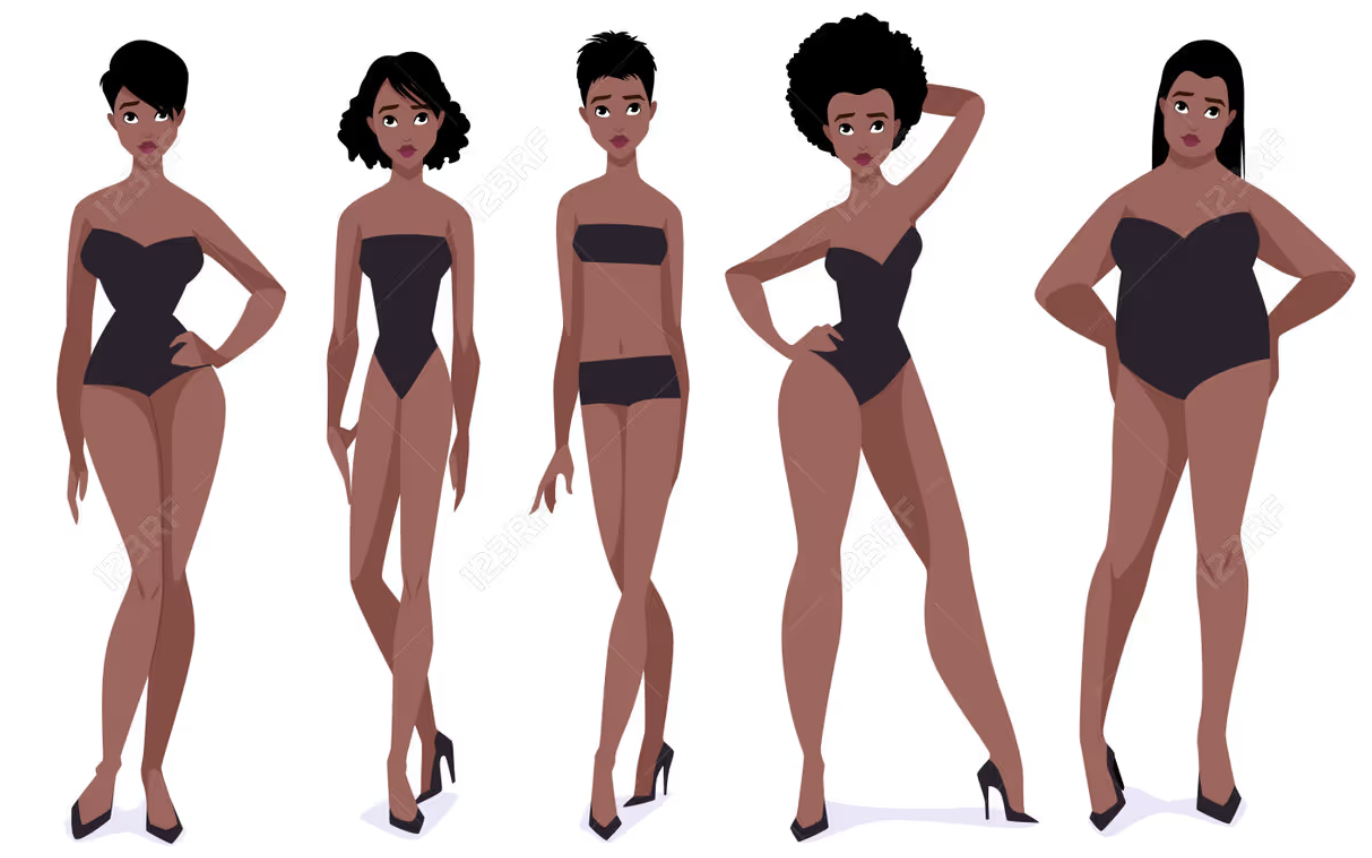
Read more: My Body, Everyone’s OpinionI really began to think about how femininity is shaped by structures and conditions, but also how women in various cultures may experience and utilize these conditions. I also began to think about my experience as a skinny black girl and how my body is viewed and discussed based on the audiences age. I was stuck in between two expectations. My younger peers would make comments about growing my glutes to achieve the “slim thick” figure. At the same time, older women will tell me to enjoy my skinniness (as if there was a timer on my body) because the day was coming when I’d be in their position; Reminiscing of the slimness they once had. Both comments are different, but they both make me think about how my body is being measured against expectation of how a woman’s body should look like. I question the root of where did the expectations come from and at what point did they change? The ideas of what a black woman is supposed to look like has influenced how I see my own body. To the point where I start to ask myself, “well which side of the spectrum should I strive to be on?”
Young’s definition helped me see that these experiences are not just a desire to look a certain way. It is a larger social condition that is shaped by what other think black women’s bodies should look like. The pressure to be “thick,” gain weight, and enjoy my body before it changes all shows how femininity can shape the way women understand and experience their own bodies.
image used from: https://www.123rf.com/photo_88636296_set-of-female-body-shape-types-five-types-african-american-women-vector-cartoon-illustration.html

